

 English
 中文简体
中文简体 Español
King Good Packaging Materials (NanTong)Co.,Ltd. is a Wholesale Corrugated Cardboard Boxes Manufacturer and Corrugated Cardboard Boxes Company, committed to becoming a national OEM manufacturer of wood products packaging, specializing in the design, development and production of wood products. It has processing factories of different scales in Taizhou, Jiangsu Province, Fengxian, Shanghai, Wuhan, Hubei Province, Dongguan, Guangdong Province, Kunshan, Jiangsu Province and Beilun, Ningbo. The company's headquarters is located in Yazhou Town, Haian City, Nantong City. Since the establishment of the factory, it has newly introduced wood processing machinery and supporting equipment, and has technicians with many years of rich experience. It strictly controls each production procedure and ensures quality and quantity with proficient skills. We have formed a complete chain covering production, after-sales service and on-site packaging. Our perfect service has won high praise from many enterprises.
Based on raw materials such as fir, pine, miscellaneous wood, plywood and particleboard, KingGood can customize different products according to development to avoid unnecessary losses during long-distance transportation. Main products: Packaging boards, multi-layer boards, (for export and domestic use) wooden pallets. Wooden crates, pallet boards, front boards, and side board wooden crates (plywood, pallets, and packaging boxes can be exported directly without inspection, saving you a lot of cumbersome procedures) can provide packaging for extra-large mechanical equipment. Our company adheres to the principle of keeping promises, achieving mutual benefit and win-win results, getting along harmoniously, doing things with dedication, and providing excellent service. Ensure the company's continuous and stable development.


Corrugated Cardboard Boxes
All Products
Corrugated Cardboard Boxes Manufacturer
information to be updated
About KINGGOOD
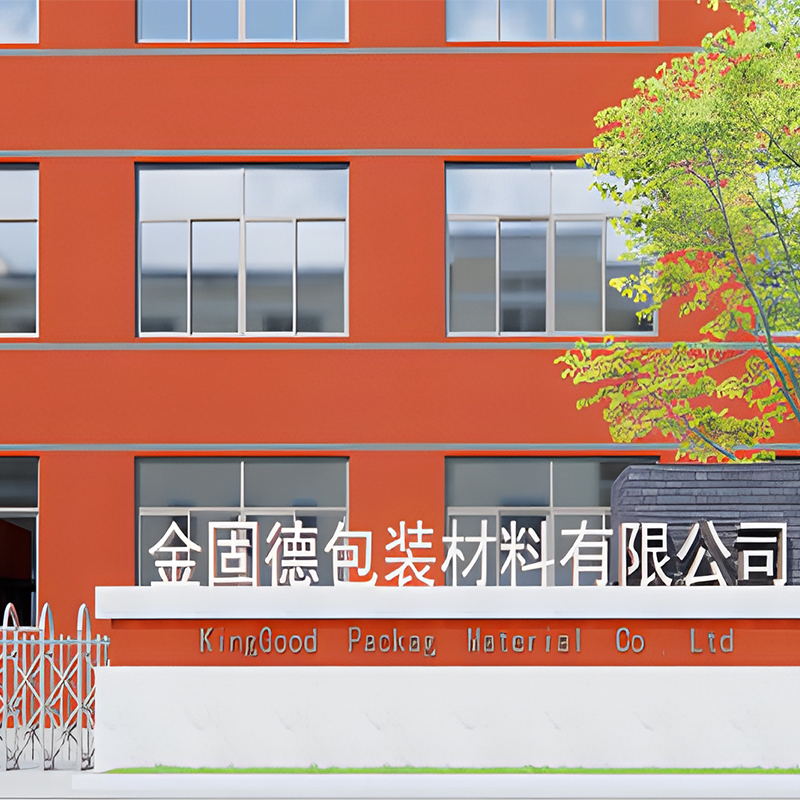
King Good Packaging Materials (NanTong)Co.,Ltd.
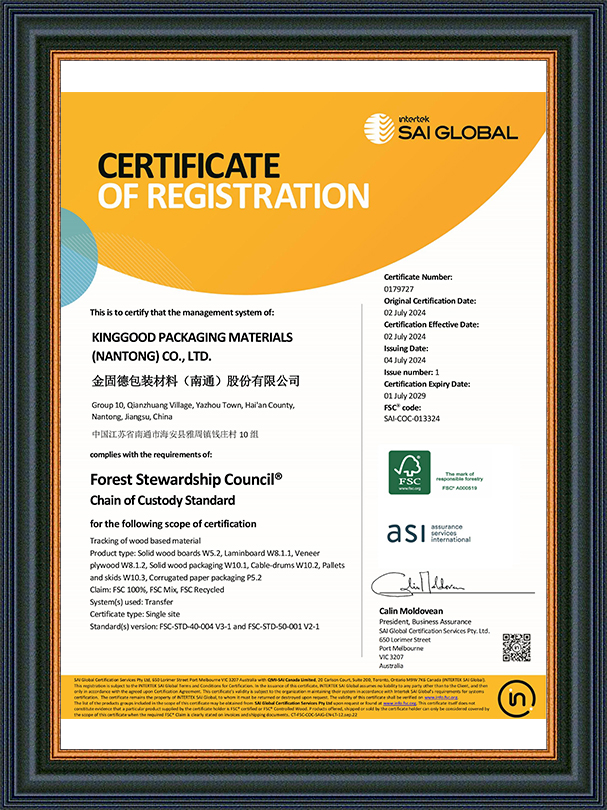
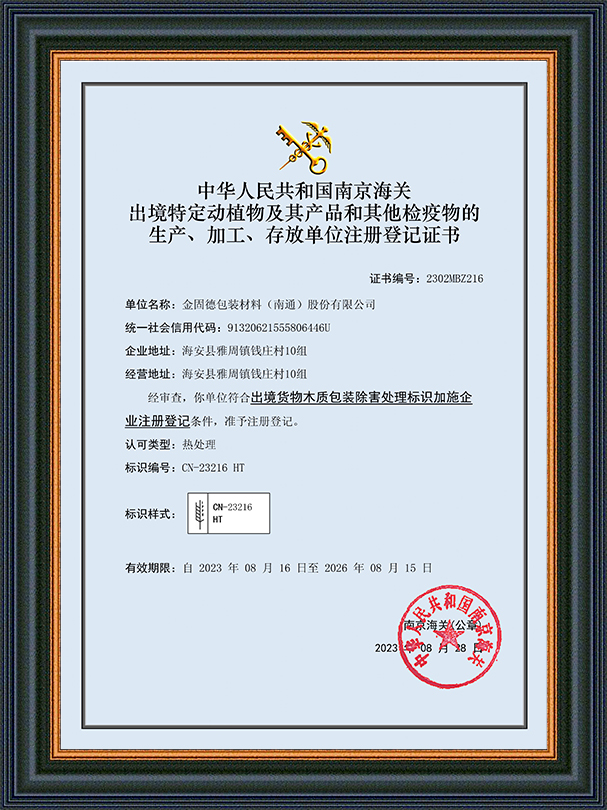
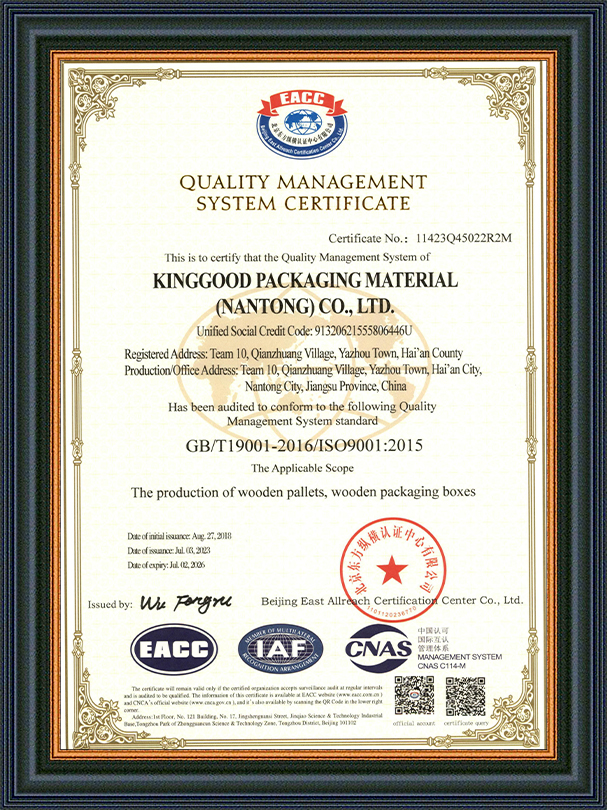
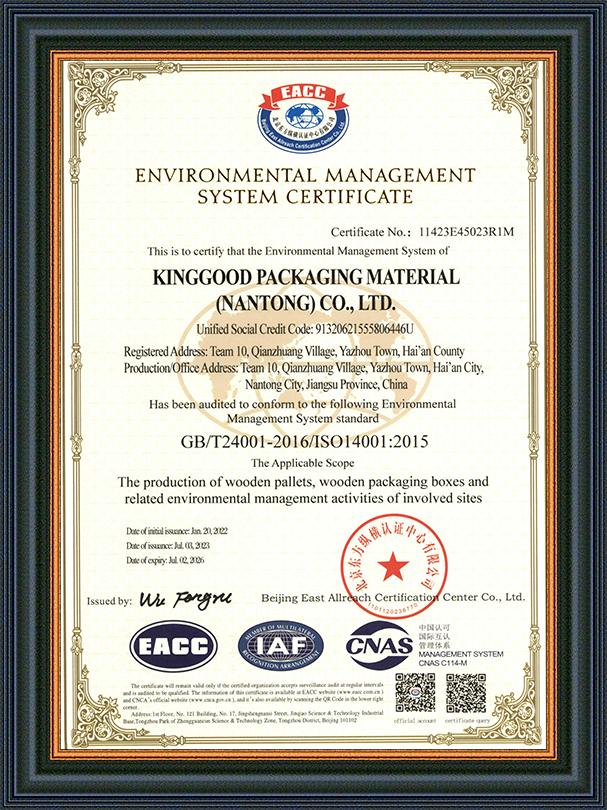
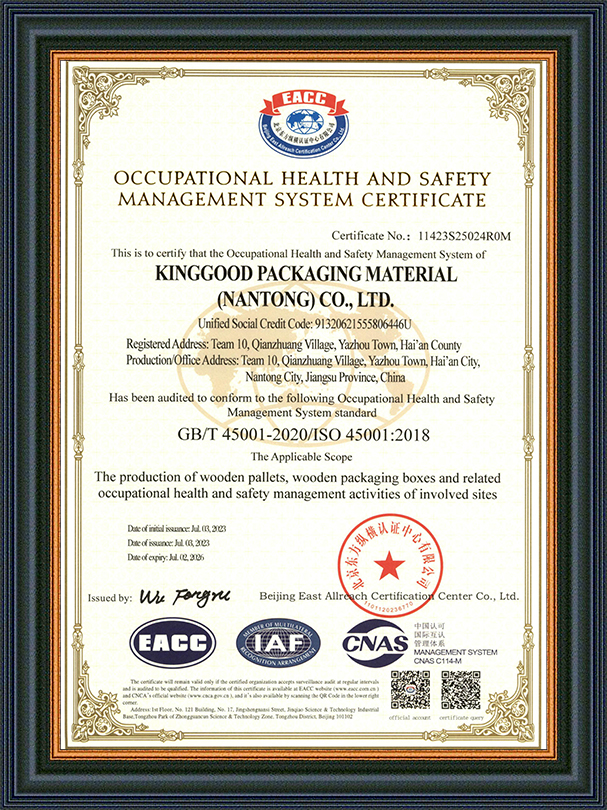
Certificate Of Honor

Latest Articles

Corrugated Cardboard Boxes Industry knowledge
What Makes Corrugated Cardboard Boxes the Industry Default
Corrugated cardboard boxes are built from a fluted paper layer sandwiched between one or two flat liner sheets, a structure that gives them far greater crush resistance than plain flat cardboard of the same weight. This fluted core acts like a series of small arches, distributing vertical pressure across the entire panel rather than concentrating it at a single point, which is why corrugated boxes remain the most common packaging format for shipping, storage, and retail distribution worldwide.
Because they are made from renewable paper fiber, corrugated cardboard boxes are also fully recyclable, giving companies a packaging option that balances structural performance with environmental responsibility.
How Corrugated Cardboard Boxes Achieve Their Strength
The Fluting Process
Corrugating machinery passes a paper sheet through heated, grooved rollers that shape it into a continuous wave pattern known as fluting. This fluted medium is then glued to one flat liner sheet for single-face board, or between two liner sheets for standard single-wall board, creating the layered structure that gives corrugated cardboard its characteristic rigidity.
Wall Construction and Load Capacity
Additional fluted layers can be added to create double-wall or triple-wall board for heavier cargo. A standard single-wall corrugated box can typically support 20-30 kg, while double-wall construction can raise that capacity to 40 kg or more depending on flute type and box dimensions.
Key Advantages of Corrugated Cardboard Boxes
- High strength-to-weight ratio that keeps shipping costs low relative to protection level
- Fully recyclable and biodegradable at the end of the packaging life cycle
- Customizable printing surface for branding, labeling, and handling instructions
- Stackable design that improves warehouse and container space utilization
- Wide availability of flute and wall configurations for different cargo needs
For companies shipping goods over long distances, pairing corrugated cardboard boxes with wooden pallets provides a stable, efficient base for palletized loads throughout the supply chain.
Comparing Flute Profiles for Different Packaging Needs
Choosing the correct flute profile affects cushioning, printability, and overall box performance.
| Flute Type | Thickness | Best Use Case |
|---|---|---|
| A-Flute | ~4.7 mm | Fragile items needing high cushioning |
| B-Flute | ~2.5 mm | Retail packaging and printed surfaces |
| C-Flute | ~3.6 mm | General shipping cartons |
| Double-Wall (BC-Flute) | ~7 mm+ | Heavy or export-grade shipments |
Maintaining Box Integrity Under Real Shipping Conditions
Corrugated cardboard performs best in controlled humidity conditions, as excessive moisture can weaken the adhesive bonds between the liner and fluted medium, reducing crush resistance. For shipments passing through humid climates or long ocean voyages, wax-coated or water-resistant laminated cardboard variants help maintain structural integrity throughout transit.
Combining corrugated boxes with wooden pallets, cushion boards, or edge boards for corner protection can further reduce the risk of damage from vibration and stacking pressure during long-distance transportation.
Complete Packaging Solutions Alongside Corrugated Boxes
Headquartered in Yazhou Town, Hai'an, Nantong, King Good Packaging Materials (Nantong) Co., Ltd. operates processing facilities across Taizhou, Fengxian, Wuhan, Dongguan, Kunshan, and Beilun, offering a broad packaging portfolio that complements corrugated cardboard boxes, including solid wood and plywood pallets, wooden crates, cushion boards, front boards, and edge boards. Every production procedure is strictly controlled to ensure consistent quality, and export-grade packaging can be shipped directly without additional inspection, simplifying export procedures for businesses handling oversized machinery and equipment.
Frequently Asked Questions
Q1: How much weight can a corrugated cardboard box hold?
A standard single-wall box typically supports 20-30 kg, while double-wall construction can raise capacity to 40 kg or more depending on flute type.
Q2: What flute type is best for shipping heavy or export goods?
Double-wall BC-flute board is generally recommended for heavier or export-grade shipments due to its higher compression resistance.
Q3: Are corrugated cardboard boxes suitable for humid environments?
Standard corrugated cardboard absorbs moisture easily, so wax-coated or water-resistant laminated variants are recommended for humid storage or long ocean transit.
Q4: Can corrugated cardboard boxes be reused multiple times?
Yes, provided the flutes remain uncrushed and the box has not been exposed to excessive moisture, it can typically be reused two to three times before structural strength declines.


Got Questions? Contact Us Now
-
Copyright @ King Good Packaging Materials (NanTong)Co.,Ltd. All Rights Reserved. Wholesale Corrugated Cardboard Boxes Manufacturer Corrugated Cardboard Boxes Company

-
Contact info.
+86-0513-88669885 +86-13813749256 13813749256@163.com Qianzhuang Village, Yazhou Town, Hai'an City, Nantong City, Jiangsu Province, China - About KINGGOOD Packaging Series Industry Solutions OEM Service News Contact