

 English
 中文简体
中文简体 Español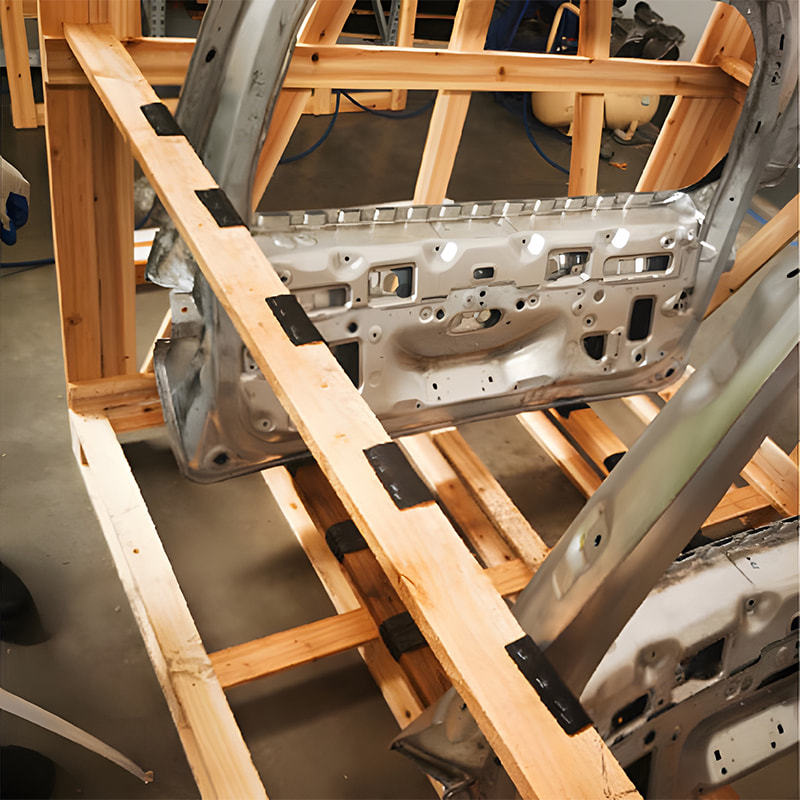
King Good Packaging Materials (NanTong)Co.,Ltd. is a Dismountable Wooden Case Supplier and Collapsible Wooden Case Factory, committed to becoming a national OEM manufacturer of wood products packaging, specializing in the design, development and production of wood products. It has processing factories of different scales in Taizhou, Jiangsu Province, Fengxian, Shanghai, Wuhan, Hubei Province, Dongguan, Guangdong Province, Kunshan, Jiangsu Province and Beilun, Ningbo. The company's headquarters is located in Yazhou Town, Haian City, Nantong City. Since the establishment of the factory, it has newly introduced wood processing machinery and supporting equipment, and has technicians with many years of rich experience. It strictly controls each production procedure and ensures quality and quantity with proficient skills. We have formed a complete chain covering production, after-sales service and on-site packaging. Our perfect service has won high praise from many enterprises.
Based on raw materials such as fir, pine, miscellaneous wood, plywood and particleboard, KingGood can customize different products according to development to avoid unnecessary losses during long-distance transportation. Main products: Packaging boards, multi-layer boards, (for export and domestic use) wooden pallets. Wooden crates, pallet boards, front boards, and side board wooden crates (plywood, pallets, and packaging boxes can be exported directly without inspection, saving you a lot of cumbersome procedures) can provide packaging for extra-large mechanical equipment. Our company adheres to the principle of keeping promises, achieving mutual benefit and win-win results, getting along harmoniously, doing things with dedication, and providing excellent service. Ensure the company's continuous and stable development.


Collapsible Wooden Box
All Products
Dismountable Wooden Case Supplier
The Collapsible Wooden Box is a modular wooden packaging container. Its core feature is its modular design. When empty, it can be disassembled into individual components, including the bottom, side, and top panels. This significantly reduces storage volume and meets the logistics needs of export companies seeking bulk stocking and centralized shipment. Production typically involves laminating plywood with steel strapping. Precision-cut panels are then joined to custom-sized steel strapping, and components are connected using modular snap-fit or press-fit technology. Some also utilize lightweight materials such as bamboo-wood composites for enhanced performance.
This type of wooden box excels in various applications, particularly in ports and destination warehouses, where rapid loading and unloading is essential. Assembly requires no specialized tools, significantly reducing waiting times. It is also in high demand for transporting automotive parts, electronic equipment, cold-chain foods, and medical devices, and meets export inspection and quarantine exemption requirements. Its core advantages lie in cost control and recycling: lightweight design can increase loading rate and reduce freight costs; high-quality products can be reused multiple times, saving more than 60% of expenses in the long term; local damage only requires replacing a single piece of board or hardware, and no additional storage space is required after folding, eliminating the disposal costs of empty boxes of traditional wooden boxes, thus achieving both economic and environmental value.
About KINGGOOD

King Good Packaging Materials (NanTong)Co.,Ltd.
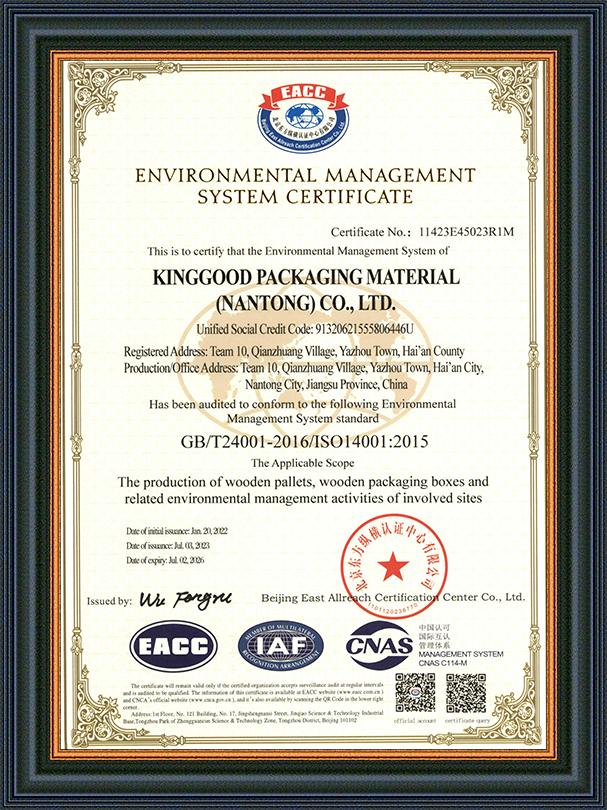
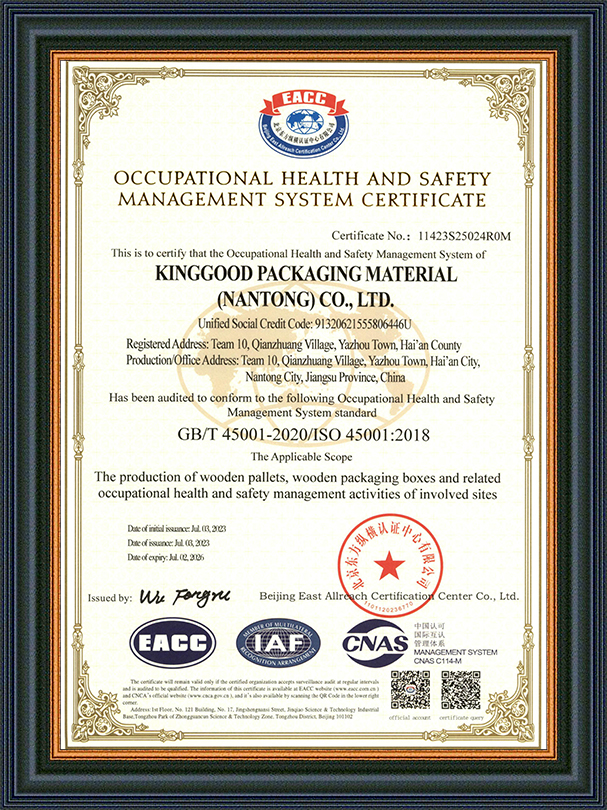
Certificate Of Honor
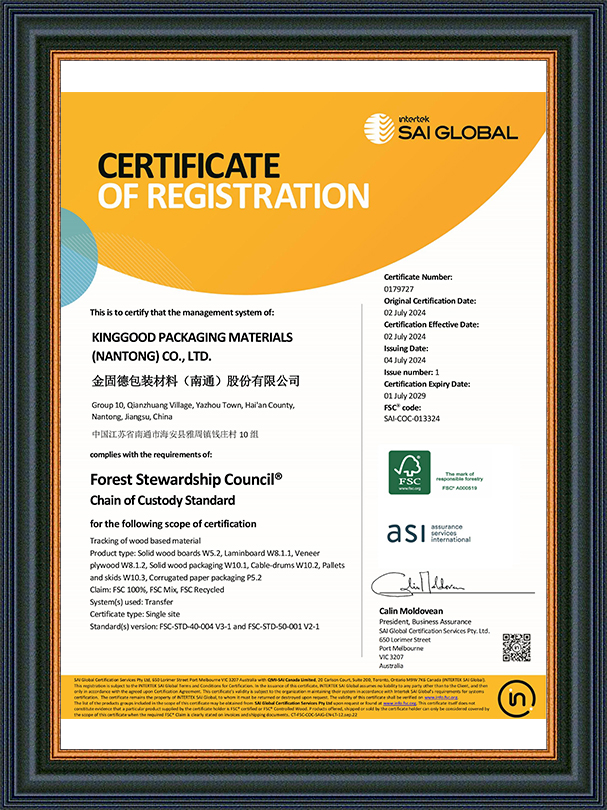
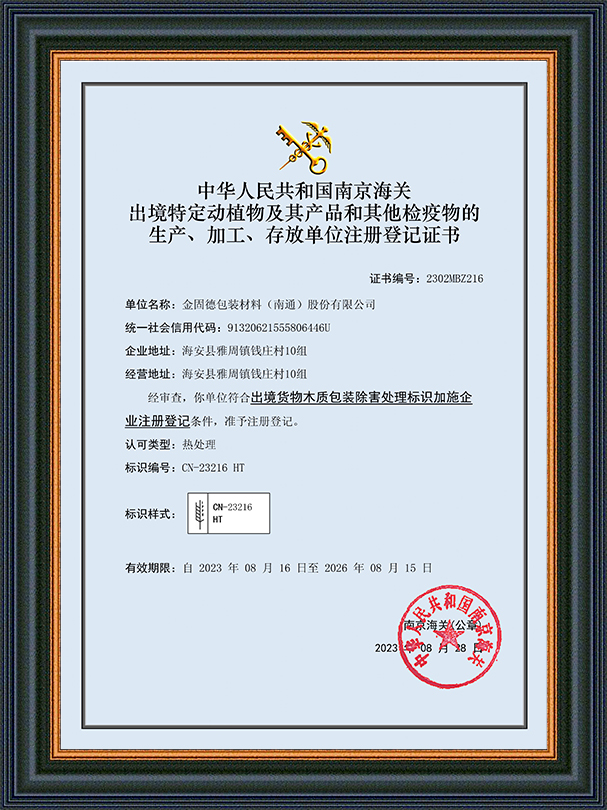
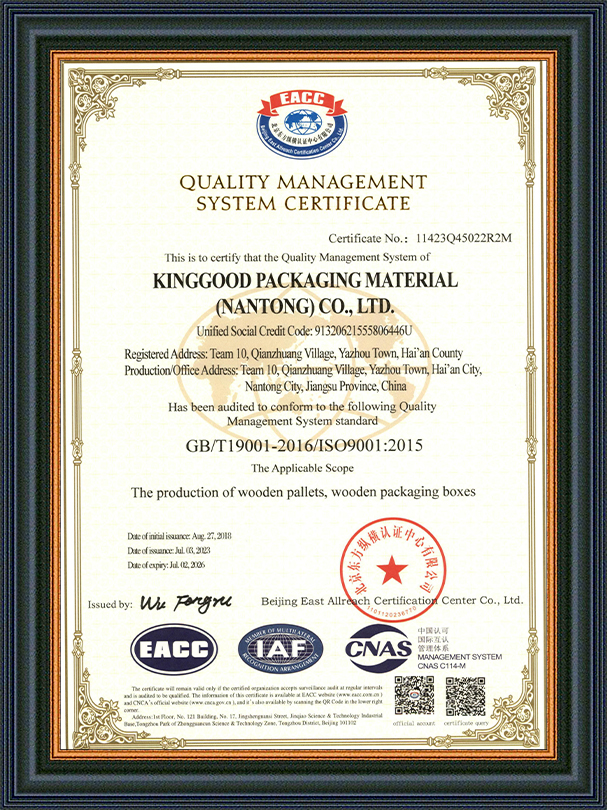

Latest Articles

Collapsible Wooden Box Industry knowledge
What Makes a Dismountable Wooden Case Different From a Fixed Crate
A dismountable wooden case, sometimes called a collapsible wooden case or foldable wooden box, is built with panels that connect through hinges, locking clips, or bolted joints rather than permanent nailing. This design allows the wooden case to be assembled for shipping, then disassembled and folded flat for return transport or storage. Compared with a traditional fixed wooden case, this structure significantly reduces wasted volume once the case is emptied at its destination.
For companies that ship equipment on a recurring route, such as trade show materials or reusable industrial parts carriers, a collapsible wooden case can be folded down to roughly 20-25% of its assembled volume, cutting return freight costs considerably.
How a Foldable Wooden Box Is Assembled and Disassembled
Panel and Joint Design
Each side panel of a foldable wooden box is pre-cut and fitted with steel corner brackets, hinge plates, or slot-and-groove joints. During assembly, the base panel is laid flat first, and the side and end panels are raised and locked into position using bolts, wing nuts, or spring-loaded clips, forming a rigid rectangular structure without requiring a hammer or nails.
Reverse Process for Flat Storage
To disassemble, the same fasteners are released in reverse order, allowing each panel to fold inward or be separated and stacked flat against the base. A properly designed wooden case can typically be assembled or collapsed by one or two workers within 10-15 minutes, with no specialized tools required beyond a basic wrench or hex key.
Key Advantages of Choosing a Collapsible Wooden Case
- Significant reduction in return-trip shipping volume once the case is flattened
- Reusability across multiple shipping cycles, lowering long-term packaging costs
- Tool-free or low-tool assembly that speeds up warehouse packing operations
- Structural strength comparable to fixed wooden cases when properly locked and braced
- Easier storage in warehouses with limited floor space when not in use
These benefits make dismountable wooden cases especially suitable for exporters who repeatedly ship similar equipment to the same overseas facility and want the empty case returned for another cycle rather than discarded.
Choosing Between Fixed, Collapsible, and Plywood Wooden Cases
The right wooden case format depends on shipment frequency, cargo weight, and whether the case needs to be returned or reused.
| Case Type | Reusability | Best Application |
|---|---|---|
| Fixed Wooden Case | Low | One-way export shipments |
| Dismountable Wooden Case | High | Recurring routes, returnable packaging |
| Collapsible Wooden Case | High | Trade shows, rental equipment |
| Plywood Wooden Case | Medium | Humid or ocean freight conditions |
Export Compliance Considerations for Wooden Cases
Solid wood components used in a dismountable wooden case for international shipment are generally subject to the ISPM 15 phytosanitary standard, requiring heat treatment or fumigation of raw wood materials before export. Cases built with plywood or particleboard panels are typically manufactured wood products and may fall outside this requirement, which is worth confirming with the destination country's customs authority in advance.
Export-grade wooden cases that already meet applicable treatment standards can be shipped directly without additional on-site inspection, helping avoid delays for time-sensitive machinery or equipment shipments.
Custom Dismountable and Collapsible Wooden Cases
Headquartered in Yazhou Town, Hai'an, Nantong, King Good Packaging Materials (Nantong) Co., Ltd. has been equipped with advanced wood processing machinery since its establishment, using fir, pine, solid wood, plywood, and particleboard to develop customized dismountable wooden cases, collapsible wooden cases, and foldable wooden boxes alongside wooden pallets, cushion boards, front boards, and edge boards. Every production process is strictly controlled to ensure consistent quality, and the company provides specialized packaging solutions for oversized machinery and equipment, helping businesses reduce potential losses during long-distance transportation.
Frequently Asked Questions
Q1: How much space does a collapsible wooden case save when folded?
A well-designed collapsible wooden case can typically be folded down to about 20-25% of its assembled volume, significantly reducing return shipping and storage costs.
Q2: Is a dismountable wooden case as strong as a fixed wooden case?
When panels are properly locked and braced with quality corner hardware, a dismountable wooden case can achieve load-bearing performance comparable to a fixed case of similar dimensions and wood thickness.
Q3: How many times can a foldable wooden box be reused?
With regular inspection of hinges, locking hardware, and panel edges, a foldable wooden box can often be reused across dozens of shipping cycles before components need replacement.
Q4: Do collapsible wooden cases require special tools for assembly?
Most collapsible wooden cases are designed for tool-free or low-tool assembly, typically requiring only a basic wrench or hex key to secure the locking hardware.


Got Questions? Contact Us Now
-
Copyright @ King Good Packaging Materials (NanTong)Co.,Ltd. All Rights Reserved. Dismountable Wooden Case Supplier Collapsible Wooden Case Factory

-
Contact info.
+86-0513-88669885 +86-13813749256 13813749256@163.com Qianzhuang Village, Yazhou Town, Hai'an City, Nantong City, Jiangsu Province, China - About KINGGOOD Packaging Series Industry Solutions OEM Service News Contact