

 English
 中文简体
中文简体 Español
King Good Packaging Materials (NanTong)Co.,Ltd. is a Custom Equipment Packaging Plywood Wood Boxes Supplier and Equipment Packaging Plywood Wood Boxes Factory, committed to becoming a national OEM manufacturer of wood products packaging, specializing in the design, development and production of wood products. It has processing factories of different scales in Taizhou, Jiangsu Province, Fengxian, Shanghai, Wuhan, Hubei Province, Dongguan, Guangdong Province, Kunshan, Jiangsu Province and Beilun, Ningbo. The company's headquarters is located in Yazhou Town, Haian City, Nantong City. Since the establishment of the factory, it has newly introduced wood processing machinery and supporting equipment, and has technicians with many years of rich experience. It strictly controls each production procedure and ensures quality and quantity with proficient skills. We have formed a complete chain covering production, after-sales service and on-site packaging. Our perfect service has won high praise from many enterprises.
Based on raw materials such as fir, pine, miscellaneous wood, plywood and particleboard, KingGood can customize different products according to development to avoid unnecessary losses during long-distance transportation. Main products: Packaging boards, multi-layer boards, (for export and domestic use) wooden pallets. Wooden crates, pallet boards, front boards, and side board wooden crates (plywood, pallets, and packaging boxes can be exported directly without inspection, saving you a lot of cumbersome procedures) can provide packaging for extra-large mechanical equipment. Our company adheres to the principle of keeping promises, achieving mutual benefit and win-win results, getting along harmoniously, doing things with dedication, and providing excellent service. Ensure the company's continuous and stable development.


Equipment Packaging Plywood Wood Boxes
Home / Packaging Series / Heavy Duty Wood Crates / Plywood Wood Boxes / Equipment Packaging Plywood Wood Boxes
All Products
Equipment Packaging Plywood Wood Boxes Supplier
information to be updated
About KINGGOOD
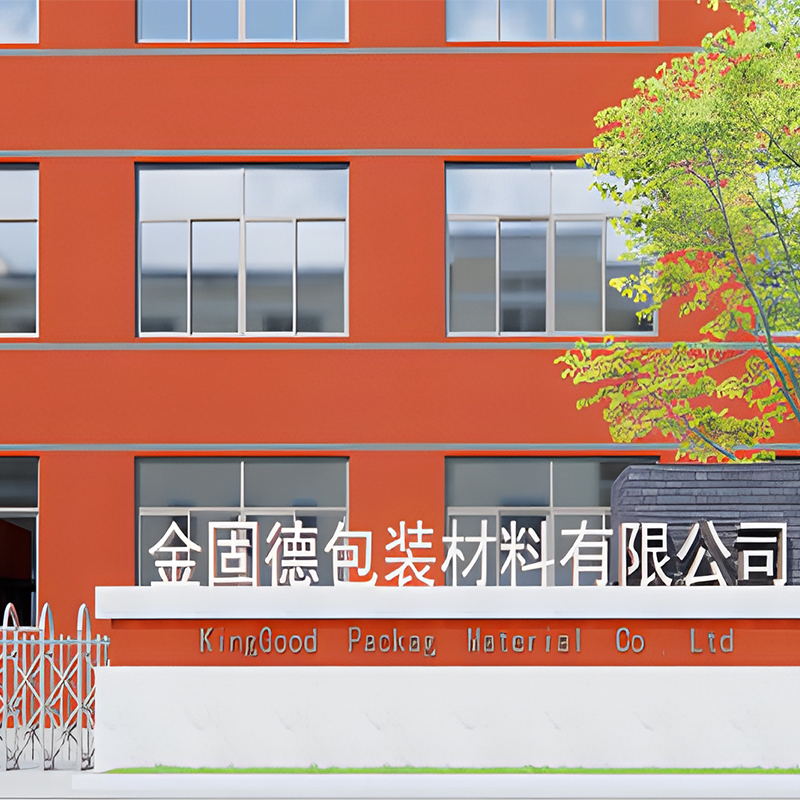
King Good Packaging Materials (NanTong)Co.,Ltd.
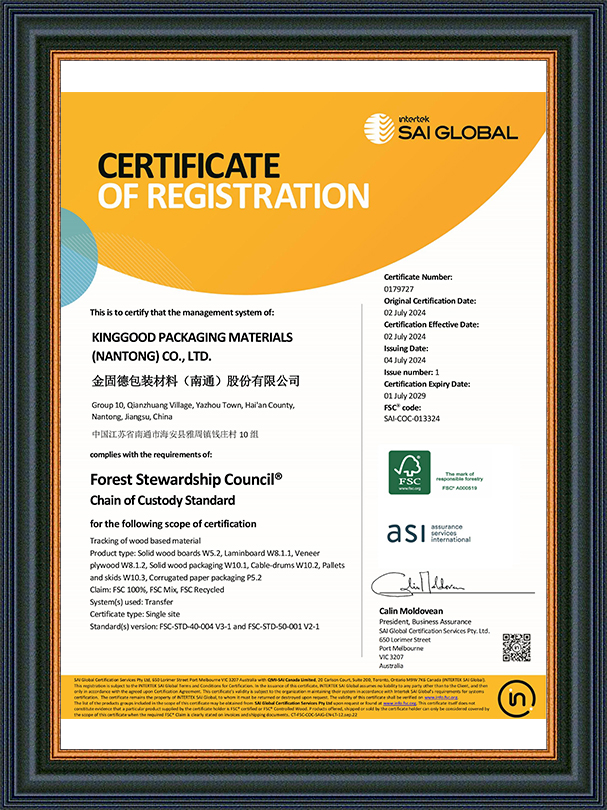
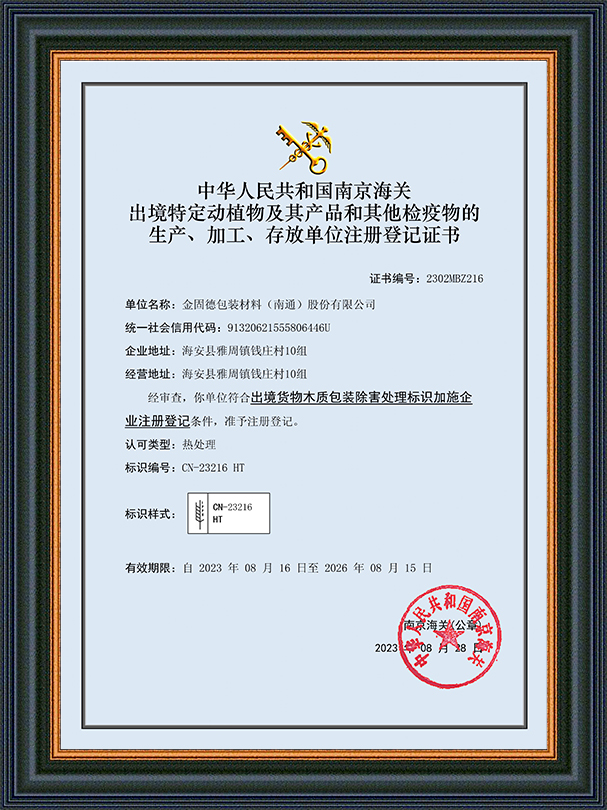
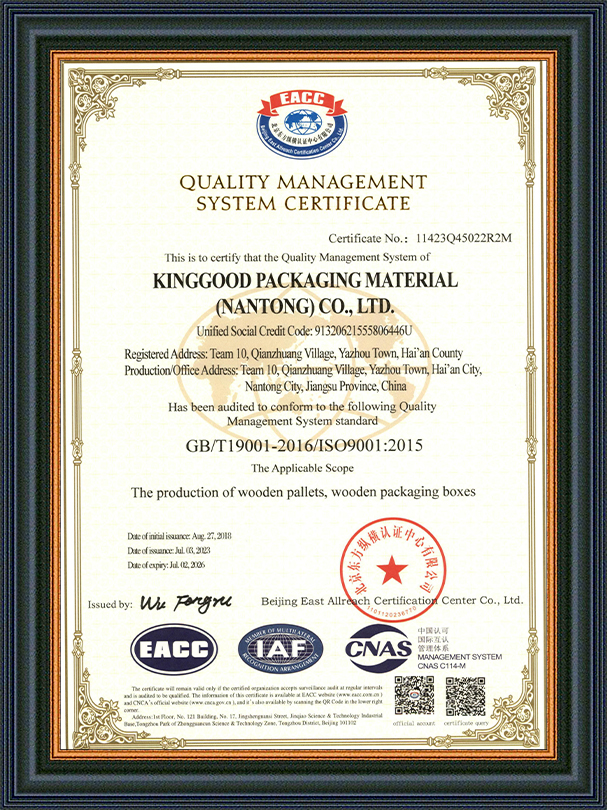
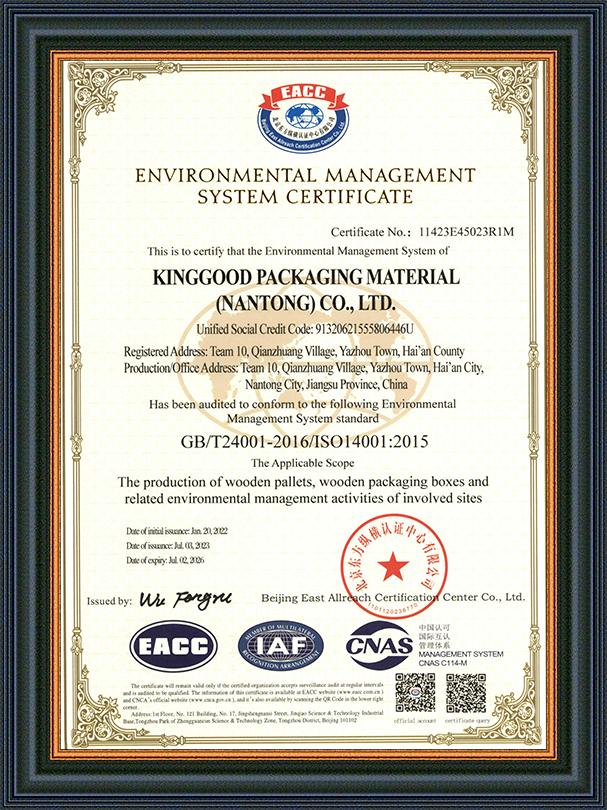
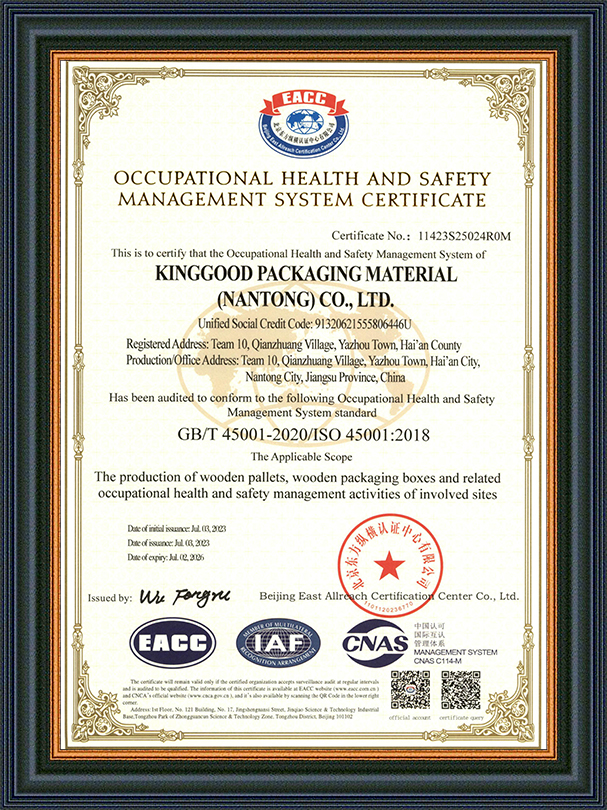
Certificate Of Honor

Latest Articles

Equipment Packaging Plywood Wood Boxes Industry knowledge
The Role of Plywood Wood Boxes in Modern Equipment Packaging
As manufacturing and logistics operations move increasingly toward standardized, repeatable packaging processes, equipment packaging plywood wood boxes have become a practical middle-ground solution between disposable cardboard packaging and heavy solid wood crating. Built from laminated wood veneer panels, these boxes provide the structural rigidity needed to protect machine parts, control units, and mechanical assemblies while keeping production costs and shipping weight manageable across large order volumes.
Their standardized panel construction also makes plywood wood boxes easier to mass-produce to consistent dimensions, which benefits equipment manufacturers who need repeatable packaging specifications across multiple production runs.
The Manufacturing Process Behind Equipment-Grade Plywood Boxes
Panel Selection and Pre-Cutting
Production begins with selecting plywood panels of appropriate thickness based on the weight and fragility of the equipment being packaged. These panels are then pre-cut to precise dimensions using CNC or panel saws, ensuring consistent box dimensions across every unit in a production batch.
Assembly and Reinforcement
Panels are joined using screws, nails, or corner brackets depending on the required disassembly needs, with reinforcement strips added along edges subject to the highest stress during handling. A well-assembled equipment box can typically withstand repeated stacking and forklift handling without panel separation, provided joints are properly reinforced during production.
Advantages That Make Plywood Boxes a Practical Equipment Packaging Choice
- Consistent, repeatable dimensions across large production batches
- Balanced strength-to-weight ratio suited to mid-weight machine components
- Compatible with both nailed assembly and demountable panel designs
- Cost-effective alternative to solid wood crating for mid-range equipment weights
- Suitable base for adding printed handling instructions or barcoded labels
For equipment manufacturers shipping standardized product lines, these advantages support a more predictable and cost-controlled packaging process across every shipment.
Choosing Between Nailed and Demountable Plywood Box Designs
The assembly method chosen for an equipment packaging box affects both its reusability and its suitability for different shipping scenarios.
| Assembly Design | Reusability | Best Application |
|---|---|---|
| Nailed Assembly | Low | One-way export shipments |
| Screwed Panel Assembly | Medium | Occasional inspection or rework |
| Bracket-Locked Panels | High | Repeated internal transfers |
| Custom Fixtured Design | Varies | Irregular or high-value equipment |
Protecting Equipment From Environmental Stress in Transit
Beyond mechanical stacking pressure, equipment shipped by sea freight is exposed to fluctuating humidity levels inside containers, which can cause condensation to form on interior surfaces. Because plywood resists warping better than solid sawn boards under these conditions, it helps maintain a stable enclosure around the equipment throughout the voyage, reducing the risk of moisture-related damage to sensitive components.
Adding a moisture barrier liner or desiccant packets inside a plywood equipment box provides an additional layer of protection for equipment particularly sensitive to humidity, such as control panels or electronic modules.
A Trusted Manufacturer of Equipment Packaging Plywood Wood Boxes
Headquartered in Yazhou Town, Hai'an, Nantong, King Good Packaging Materials (Nantong) Co., Ltd. operates processing facilities across Taizhou, Fengxian, Wuhan, Dongguan, Kunshan, and Beilun, using fir, pine, miscellaneous wood, plywood, and particleboard to manufacture equipment packaging plywood wood boxes alongside heavy duty solid wood crates, wooden pallets, cushion boards, front boards, and edge boards. Every production procedure is strictly controlled to ensure consistent quality, and export-grade packaging can be shipped directly without additional inspection, simplifying export procedures for businesses handling a wide range of equipment types.
Frequently Asked Questions
Q1: How are plywood boxes kept consistent across large production orders?
Panels are pre-cut to precise dimensions using CNC or panel saws, ensuring every box in a production batch matches the same specification.
Q2: Should equipment boxes be nailed or designed for disassembly?
This depends on reuse needs: nailed assembly suits one-way shipments, while bracket-locked or screwed designs support repeated internal transfers or inspection.
Q3: How can moisture damage be prevented inside a plywood equipment box?
Adding a moisture barrier liner or desiccant packets helps protect humidity-sensitive components such as electronic modules during long ocean transit.
Q4: Can plywood equipment boxes handle stacking during storage?
Yes, when properly reinforced along stress-bearing edges, plywood boxes can typically withstand repeated stacking and forklift handling without panel separation.


Got Questions? Contact Us Now
-
-
Contact info.
+86-0513-88669885 +86-13813749256 13813749256@163.com Qianzhuang Village, Yazhou Town, Hai'an City, Nantong City, Jiangsu Province, China - About KINGGOOD Packaging Series Industry Solutions OEM Service News Contact
