

 English
 中文简体
中文简体 Español
King Good Packaging Materials (NanTong)Co.,Ltd. is a Custom Industrial Packaging Services Supplier and OEM Industrial Packaging Services Factory, committed to becoming a national OEM manufacturer of wood products packaging, specializing in the design, development and production of wood products. It has processing factories of different scales in Taizhou, Jiangsu Province, Fengxian, Shanghai, Wuhan, Hubei Province, Dongguan, Guangdong Province, Kunshan, Jiangsu Province and Beilun, Ningbo. The company's headquarters is located in Yazhou Town, Haian City, Nantong City. Since the establishment of the factory, it has newly introduced wood processing machinery and supporting equipment, and has technicians with many years of rich experience. It strictly controls each production procedure and ensures quality and quantity with proficient skills. We have formed a complete chain covering production, after-sales service and on-site packaging. Our perfect service has won high praise from many enterprises.
Based on raw materials such as fir, pine, miscellaneous wood, plywood and particleboard, KingGood can customize different products according to development to avoid unnecessary losses during long-distance transportation. Main products: Packaging boards, multi-layer boards, (for export and domestic use) wooden pallets. Wooden crates, pallet boards, front boards, and side board wooden crates (plywood, pallets, and packaging boxes can be exported directly without inspection, saving you a lot of cumbersome procedures) can provide packaging for extra-large mechanical equipment. Our company adheres to the principle of keeping promises, achieving mutual benefit and win-win results, getting along harmoniously, doing things with dedication, and providing excellent service. Ensure the company's continuous and stable development.


Packaging Services
All Products
Industrial Packaging Services Supplier
Customized solutions based on cargo weight, size, material, and fragility. Standardized material processing, refined assembly and reinforcement, automated and scalable operations. Material cost optimization: Select cost-effective material based on cargo value and protection requirements. Packaging recycling and disposal services: For customers with high environmental requirements, packaging recycling services are available. Iterative improvement of packaging solutions: Continuously optimize packaging solutions based on customer shipping feedback (e.g., cargo damage rate, customs clearance time).
information to be updated
About KINGGOOD
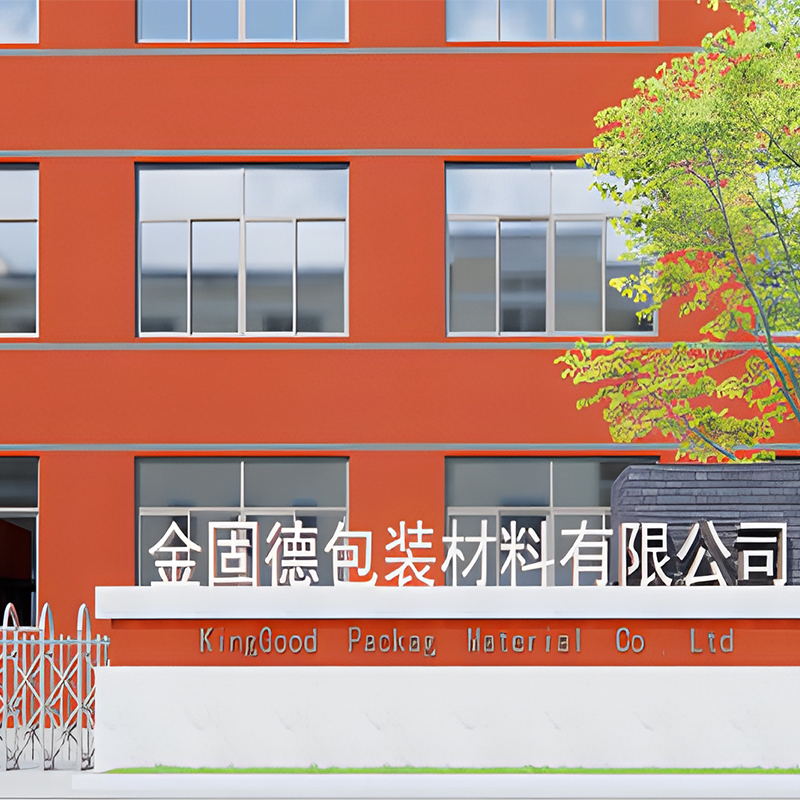
King Good Packaging Materials (NanTong)Co.,Ltd.
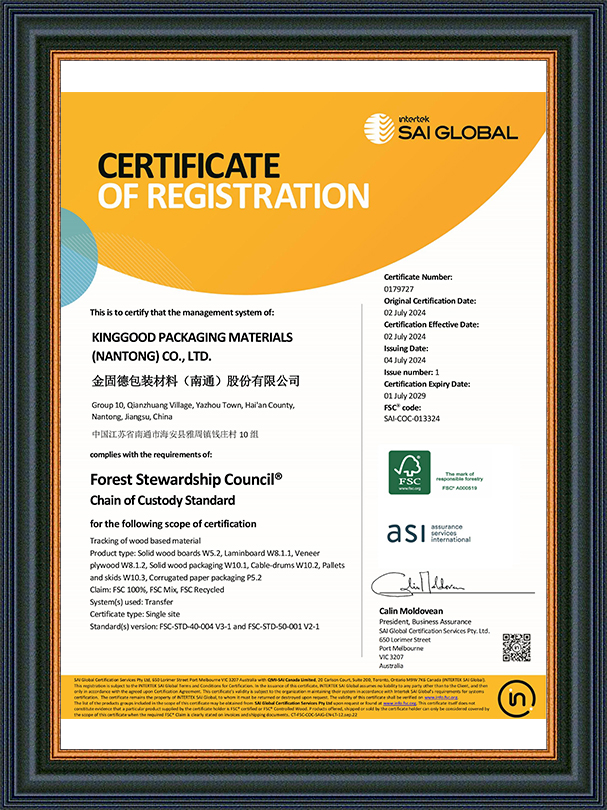
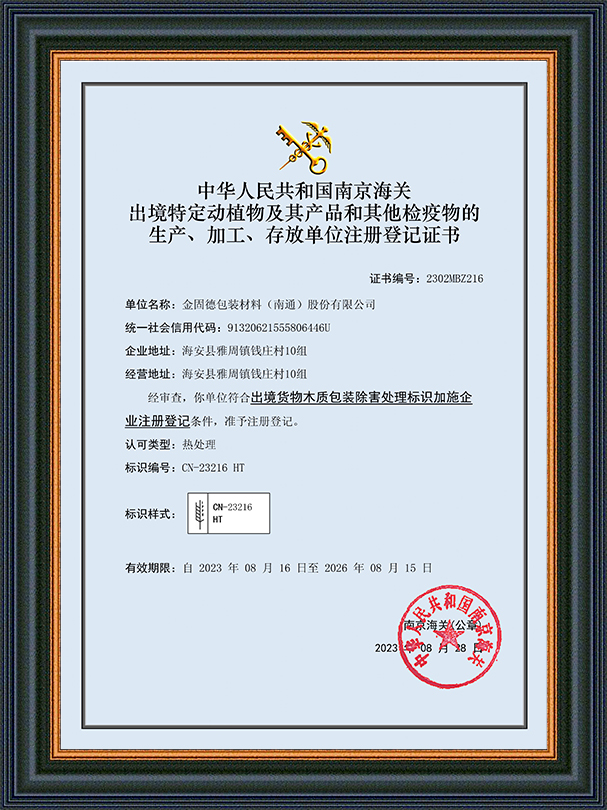
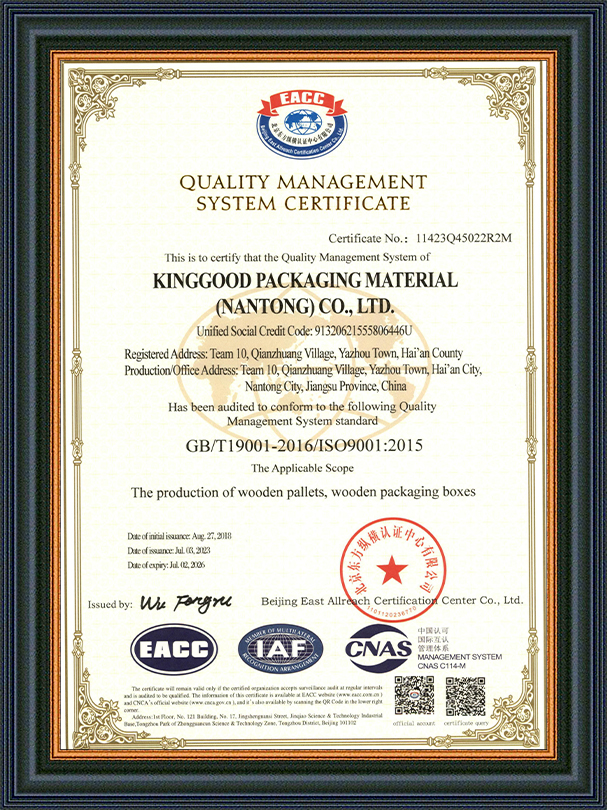
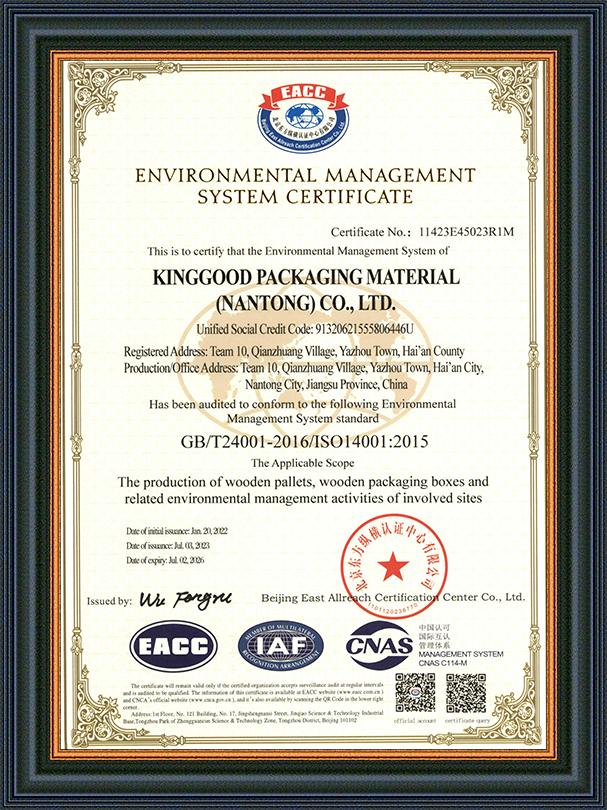
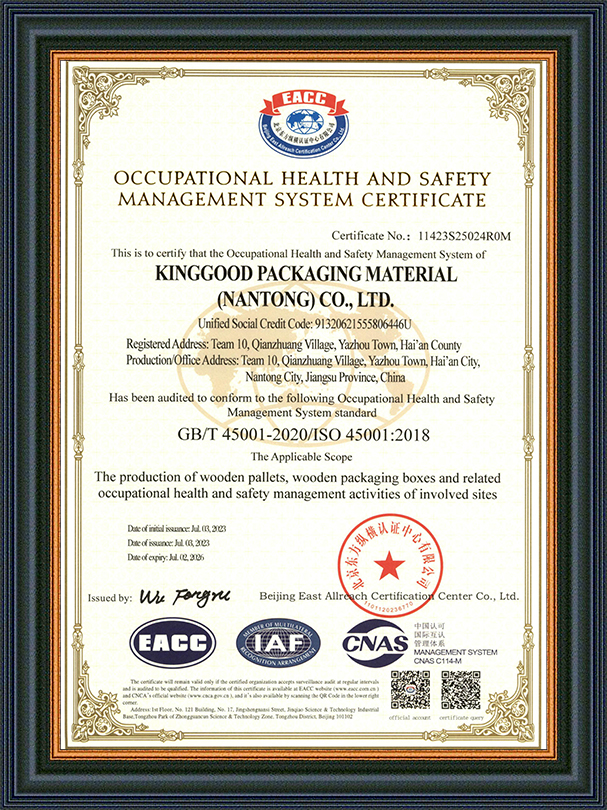
Certificate Of Honor

Latest Articles

Packaging Services Industry knowledge
Why Professional Packaging Services Reduce Shipping Risk
Generic, one-size-fits-all packing rarely holds up to the realities of long-distance freight. Reliable packaging services start by assessing each shipment individually, since cargo weight, size, material composition, and fragility all determine how much reinforcement, cushioning, or structural support a package actually needs. A precision instrument and a steel casting require completely different packing strategies, and treating them the same way either wastes material or, worse, leaves valuable cargo under-protected.
Well-designed packaging services deliver measurable benefits across the shipping process:
- Lower in-transit damage rates through cargo-specific bracing, cushioning, and crate design.
- Faster customs clearance when export-grade materials and documentation are handled correctly from the start.
- Reduced material waste by matching packaging strength to actual protection requirements rather than over-building every crate.
- Consistent quality across large order volumes through standardized processing and assembly procedures.
How Packaging Services Move From Assessment to Finished Crate
Cargo Assessment and Custom Design
The process begins with evaluating the cargo's dimensions, weight distribution, and fragility to determine the appropriate crate type, bracing pattern, and cushioning layout. Matching the design to the specific cargo profile is what prevents both under-packaging, which risks damage, and over-packaging, which raises cost unnecessarily.
Standardized Processing and Reinforced Assembly
Once a design is confirmed, standardized material processing ensures every board, panel, and frame component meets the same dimensional and structural tolerances. Refined assembly techniques and targeted reinforcement at high-stress points, such as corners and lifting areas, keep quality consistent whether an order is a single custom crate or a large production run supported by automated, scalable operations.
Material Cost Optimization
Rather than defaulting to the strongest available material for every job, cost-effective packaging services select materials based on cargo value and actual protection requirements, using denser wood where structural load demands it and lighter panels where the primary need is dust or moisture coverage. This approach keeps freight weight and material spend proportional to the real risk profile of each shipment.
Sustainability and Continuous Improvement in Packaging Services
Packaging responsibility does not end once a shipment arrives. For customers with higher environmental requirements, packaging recycling and disposal services allow used crates, pallets, and boards to be collected and processed responsibly rather than sent to landfill, supporting broader sustainability goals across the supply chain.
Packaging solutions also improve over time when shipping feedback is tracked and applied systematically:
| Feedback Metric | What It Reveals | Resulting Improvement |
|---|---|---|
| Cargo damage rate | Weak points in bracing or cushioning | Reinforced design at identified stress points |
| Customs clearance time | Documentation or material compliance gaps | Adoption of pre-treated export-grade materials |
| Freight weight | Excess material use relative to protection needs | Adjusted panel and frame material ratios |
Frequently Asked Questions About Packaging Services
Q1: How is packaging customized for different types of cargo?
Packaging is designed around the specific weight, size, material, and fragility of each shipment, so a heavy machine base and a delicate instrument receive different bracing, cushioning, and material choices.
Q2: Can packaging services help reduce shipping costs?
Yes. Selecting cost-effective materials matched to the actual protection requirement, rather than over-building every crate, helps control both material spend and total freight weight.
Q3: Are recycling options available for used packaging materials?
Yes, packaging recycling and disposal services are available for customers with higher environmental requirements, allowing used wooden materials to be responsibly processed after use.
Q4: How do packaging solutions improve over time?
By tracking shipping feedback such as cargo damage rate and customs clearance time, packaging designs can be iteratively adjusted to address recurring issues and improve reliability on future shipments.
Full-Chain Packaging Services From Design to On-Site Support
Headquartered in Yazhou Town, Hai'an, Nantong, King Good Packaging Materials (Nantong) Co., Ltd. operates processing facilities across multiple regions, including Taizhou, Fengxian in Shanghai, Wuhan, Dongguan, Kunshan, and Beilun in Ningbo, supporting a complete chain covering production, after-sales service, and on-site packaging. Using fir, pine, miscellaneous wood, plywood, and particleboard, the company designs, develops, and produces customized packaging solutions that reduce potential losses during long-distance transportation, backed by strict process control and technicians with years of hands-on experience.


Got Questions? Contact Us Now
-
Copyright @ King Good Packaging Materials (NanTong)Co.,Ltd. All Rights Reserved. Custom Industrial Packaging Services Supplier OEM Industrial Packaging Services Factory

-
Contact info.
+86-0513-88669885 +86-13813749256 13813749256@163.com Qianzhuang Village, Yazhou Town, Hai'an City, Nantong City, Jiangsu Province, China - About KINGGOOD Packaging Series Industry Solutions OEM Service News Contact