

 English
 中文简体
中文简体 Español
King Good Packaging Materials (NanTong)Co.,Ltd. is a Wholesale Honeycomb Cardboard Boxes Manufacturer and Honeycomb Cardboard Boxes Company, committed to becoming a national OEM manufacturer of wood products packaging, specializing in the design, development and production of wood products. It has processing factories of different scales in Taizhou, Jiangsu Province, Fengxian, Shanghai, Wuhan, Hubei Province, Dongguan, Guangdong Province, Kunshan, Jiangsu Province and Beilun, Ningbo. The company's headquarters is located in Yazhou Town, Haian City, Nantong City. Since the establishment of the factory, it has newly introduced wood processing machinery and supporting equipment, and has technicians with many years of rich experience. It strictly controls each production procedure and ensures quality and quantity with proficient skills. We have formed a complete chain covering production, after-sales service and on-site packaging. Our perfect service has won high praise from many enterprises.
Based on raw materials such as fir, pine, miscellaneous wood, plywood and particleboard, KingGood can customize different products according to development to avoid unnecessary losses during long-distance transportation. Main products: Packaging boards, multi-layer boards, (for export and domestic use) wooden pallets. Wooden crates, pallet boards, front boards, and side board wooden crates (plywood, pallets, and packaging boxes can be exported directly without inspection, saving you a lot of cumbersome procedures) can provide packaging for extra-large mechanical equipment. Our company adheres to the principle of keeping promises, achieving mutual benefit and win-win results, getting along harmoniously, doing things with dedication, and providing excellent service. Ensure the company's continuous and stable development.


Honeycomb Cardboard Boxes
All Products
Honeycomb Cardboard Boxes Manufacturer
information to be updated
About KINGGOOD
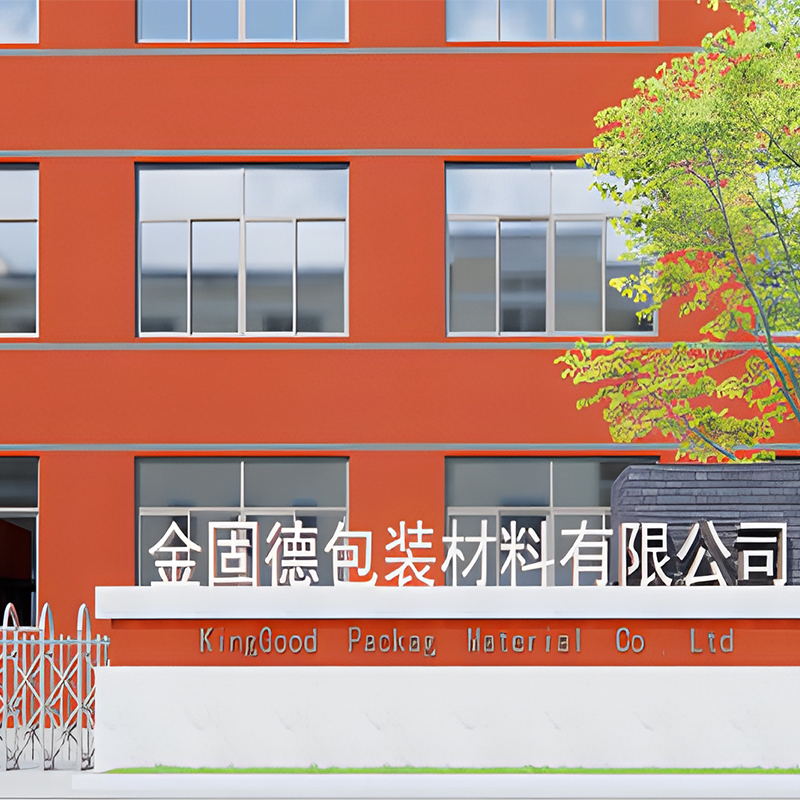
King Good Packaging Materials (NanTong)Co.,Ltd.
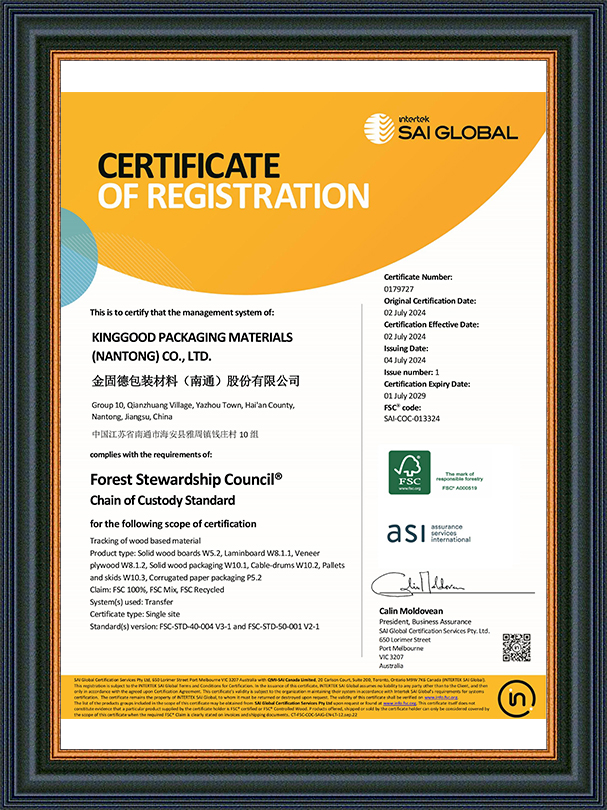
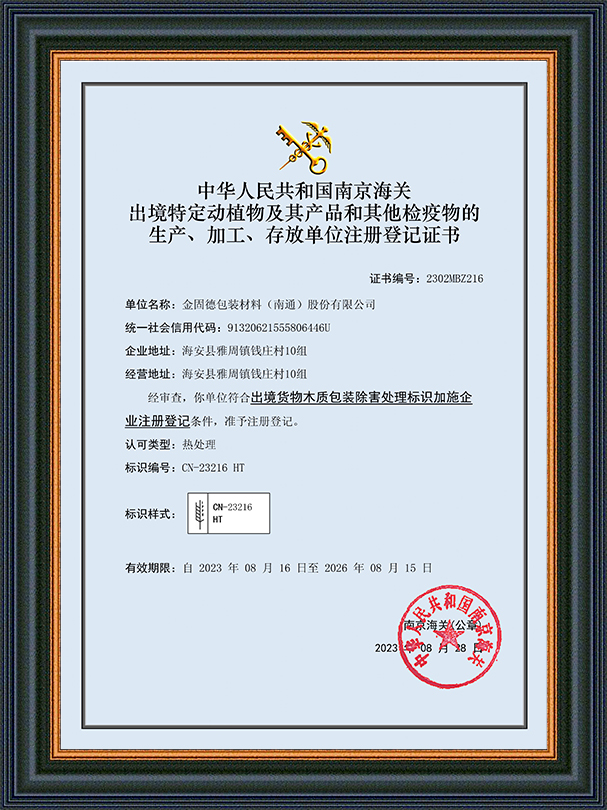
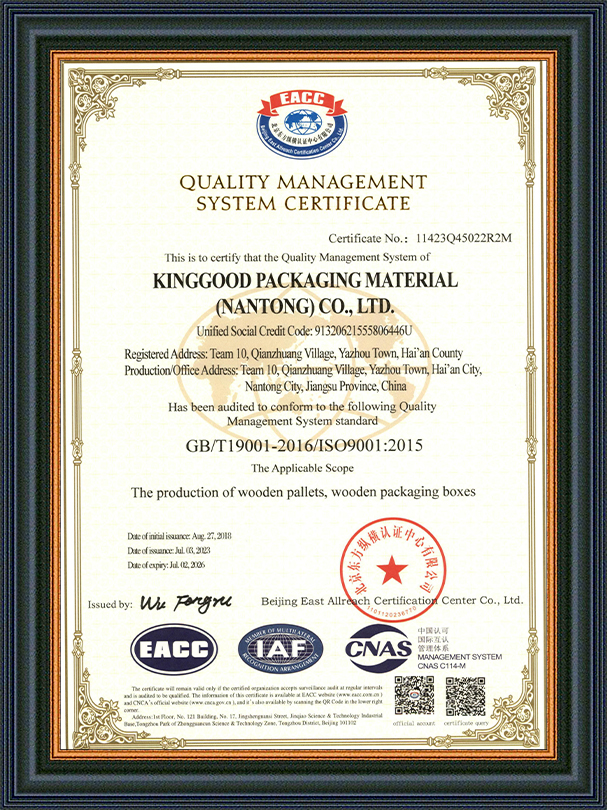
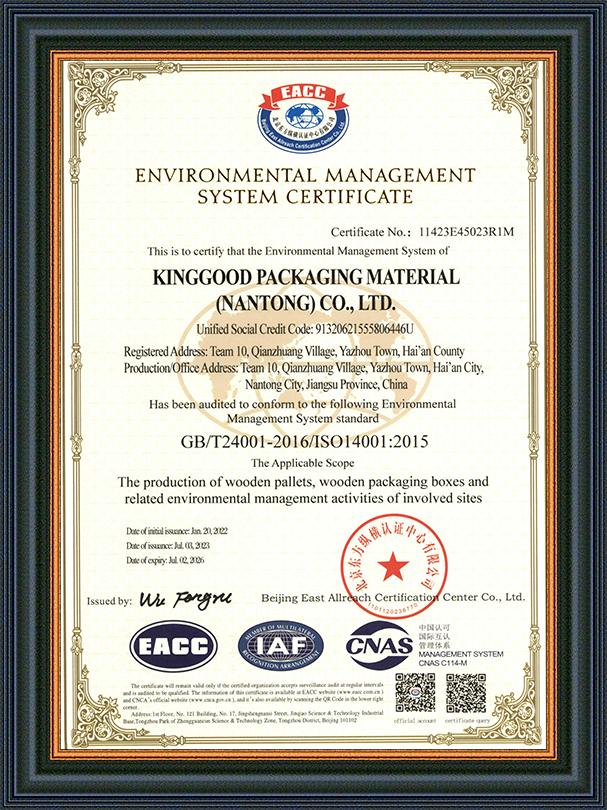
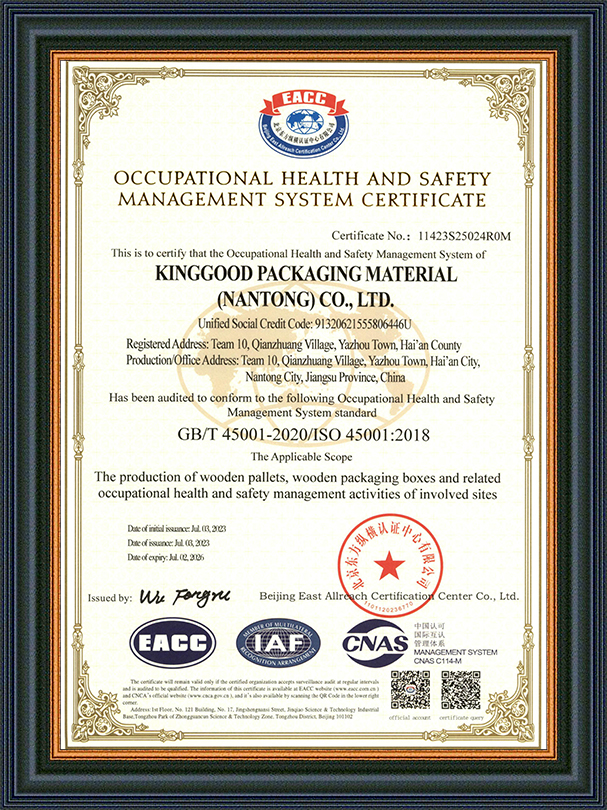
Certificate Of Honor

Latest Articles

Honeycomb Cardboard Boxes Industry knowledge
What Distinguishes Honeycomb Cardboard Boxes From Standard Cartons
Honeycomb cardboard boxes use an internal hexagonal cell core sandwiched between paperboard face sheets, a structure adapted from the natural geometry found in beehives and widely applied in aerospace and architectural panels for its exceptional strength-to-weight performance. Unlike standard corrugated boxes that rely on fluted ridges for rigidity, honeycomb board distributes compressive force across a dense network of interlocking cells, giving it noticeably higher crush resistance for a similar material weight.
This makes honeycomb cardboard boxes particularly well suited to protecting heavier or bulkier items where standard corrugated cartons might buckle under sustained stacking pressure.
How the Honeycomb Structure Delivers Superior Strength
Cell Geometry and Load Distribution
Each hexagonal cell in the honeycomb core shares its walls with six neighboring cells, forming a continuous lattice that spreads point-load pressure evenly across the entire panel rather than concentrating stress at a single weak spot. This shared-wall geometry is what allows a lightweight paper structure to resist vertical crushing far more effectively than a solid block of comparable weight.
Face Sheet Bonding for Panel Rigidity
The honeycomb core is bonded between two paperboard face sheets using industrial adhesive, forming a rigid composite panel that resists bending and flexing. A well-constructed honeycomb cardboard box can achieve compression strength significantly higher than a standard corrugated box of similar wall thickness, making it a practical option for heavier or bulkier packaged goods.
Key Advantages of Honeycomb Cardboard Boxes
- Higher strength-to-weight ratio than standard fluted corrugated cardboard
- Fully recyclable paper construction with no metal fasteners or splinters
- Consistent panel thickness across large production batches
- Excellent flatness that reduces bulging or bowing on wide panel surfaces
- Lightweight profile that helps control freight cost on bulky shipments
These qualities make honeycomb cardboard boxes an attractive middle-ground option between lightweight standard cartons and heavier wooden crating for oversized or moderately heavy goods.
Honeycomb Cardboard Compared With Other Packaging Formats
Selecting between honeycomb cardboard and other common packaging materials depends on load requirements, panel size, and overall weight constraints.
| Packaging Type | Strength-to-Weight Ratio | Best Application |
|---|---|---|
| Honeycomb Cardboard Box | High | Bulky, moderately heavy goods |
| Standard Corrugated Box | Medium | General shipping and retail cartons |
| Plywood Wood Box | Medium-High | Equipment and machine parts |
Practical Limitations to Keep in Mind
While honeycomb cardboard boxes offer strong compression resistance, they remain more sensitive to moisture than solid wood or plywood, and prolonged exposure to humidity can weaken the adhesive bonds within the core. They are generally best suited to single-use or short-cycle shipments rather than repeated, long-term reuse in humid or outdoor storage conditions.
For particularly heavy machinery or long-term storage needs, pairing honeycomb cardboard packaging with a wooden pallet base or wooden crate can provide additional structural support and moisture resistance.
A Full Range of Packaging Options Beyond Honeycomb Cardboard
Headquartered in Yazhou Town, Hai'an, Nantong, King Good Packaging Materials (Nantong) Co., Ltd. operates processing facilities across Taizhou, Fengxian, Wuhan, Dongguan, Kunshan, and Beilun, offering a broad packaging portfolio that complements honeycomb cardboard boxes, including solid wood and plywood pallets, wooden crates, cushion boards, front boards, and edge boards. Every production procedure is strictly controlled to ensure consistent quality, and export-grade packaging can be shipped directly without additional inspection, simplifying export procedures for businesses handling diverse cargo requirements.
Frequently Asked Questions
Q1: Why does honeycomb cardboard have higher strength than standard corrugated board?
Its hexagonal cell structure distributes load across shared cell walls, giving it greater compression resistance than the fluted ridges used in standard corrugated cardboard.
Q2: What types of products are best suited to honeycomb cardboard boxes?
Bulky or moderately heavy items that would stress a standard corrugated box, such as large appliances or wide flat panels, benefit most from the added rigidity of honeycomb board.
Q3: Are honeycomb cardboard boxes suitable for humid environments?
They are more moisture-sensitive than wood-based packaging, so they are best suited to controlled or short-duration shipments rather than prolonged humid exposure.
Q4: Can honeycomb cardboard boxes be combined with wooden packaging?
Yes. Pairing them with a wooden pallet base or wooden crate can add structural support and moisture resistance for heavier or long-term storage shipments.


Got Questions? Contact Us Now
-
Copyright @ King Good Packaging Materials (NanTong)Co.,Ltd. All Rights Reserved. Wholesale Honeycomb Cardboard Boxes Manufacturer Honeycomb Cardboard Boxes Company

-
Contact info.
+86-0513-88669885 +86-13813749256 13813749256@163.com Qianzhuang Village, Yazhou Town, Hai'an City, Nantong City, Jiangsu Province, China - About KINGGOOD Packaging Series Industry Solutions OEM Service News Contact