

 English
 中文简体
中文简体 Español
King Good Packaging Materials (NanTong)Co.,Ltd. is a Custom Export Plywood Wood Boxes Supplier and Export Plywood Wood Boxes Factory, committed to becoming a national OEM manufacturer of wood products packaging, specializing in the design, development and production of wood products. It has processing factories of different scales in Taizhou, Jiangsu Province, Fengxian, Shanghai, Wuhan, Hubei Province, Dongguan, Guangdong Province, Kunshan, Jiangsu Province and Beilun, Ningbo. The company's headquarters is located in Yazhou Town, Haian City, Nantong City. Since the establishment of the factory, it has newly introduced wood processing machinery and supporting equipment, and has technicians with many years of rich experience. It strictly controls each production procedure and ensures quality and quantity with proficient skills. We have formed a complete chain covering production, after-sales service and on-site packaging. Our perfect service has won high praise from many enterprises.
Based on raw materials such as fir, pine, miscellaneous wood, plywood and particleboard, KingGood can customize different products according to development to avoid unnecessary losses during long-distance transportation. Main products: Packaging boards, multi-layer boards, (for export and domestic use) wooden pallets. Wooden crates, pallet boards, front boards, and side board wooden crates (plywood, pallets, and packaging boxes can be exported directly without inspection, saving you a lot of cumbersome procedures) can provide packaging for extra-large mechanical equipment. Our company adheres to the principle of keeping promises, achieving mutual benefit and win-win results, getting along harmoniously, doing things with dedication, and providing excellent service. Ensure the company's continuous and stable development.


Export Plywood Wood Boxes
All Products
Export Plywood Wood Boxes Supplier
information to be updated
About KINGGOOD
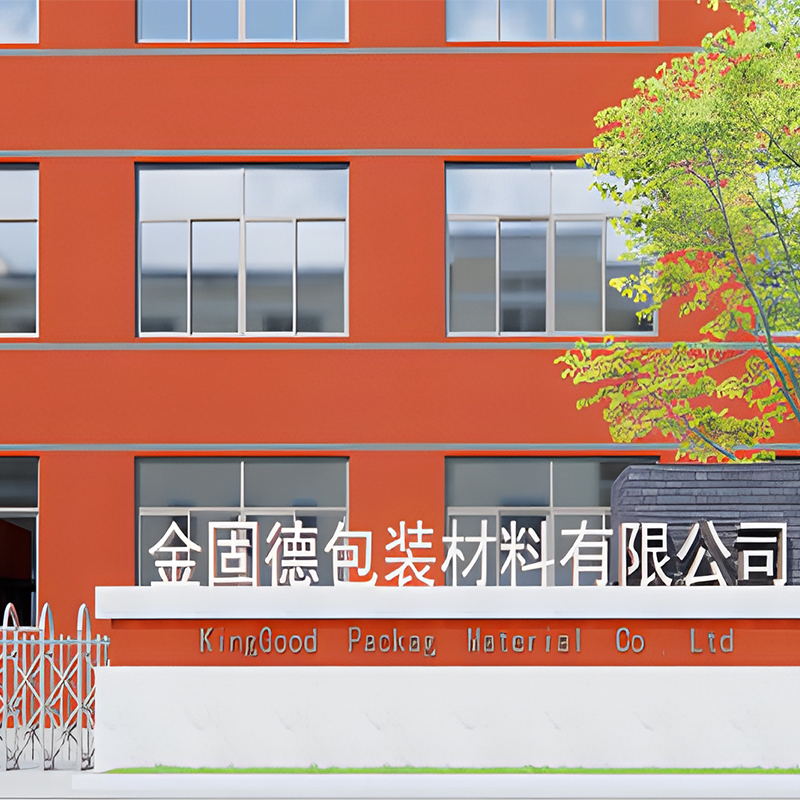
King Good Packaging Materials (NanTong)Co.,Ltd.
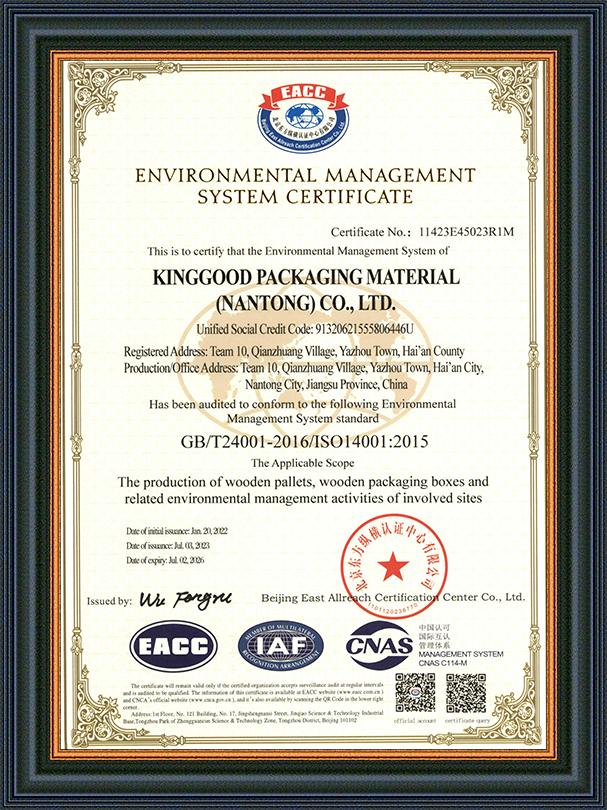
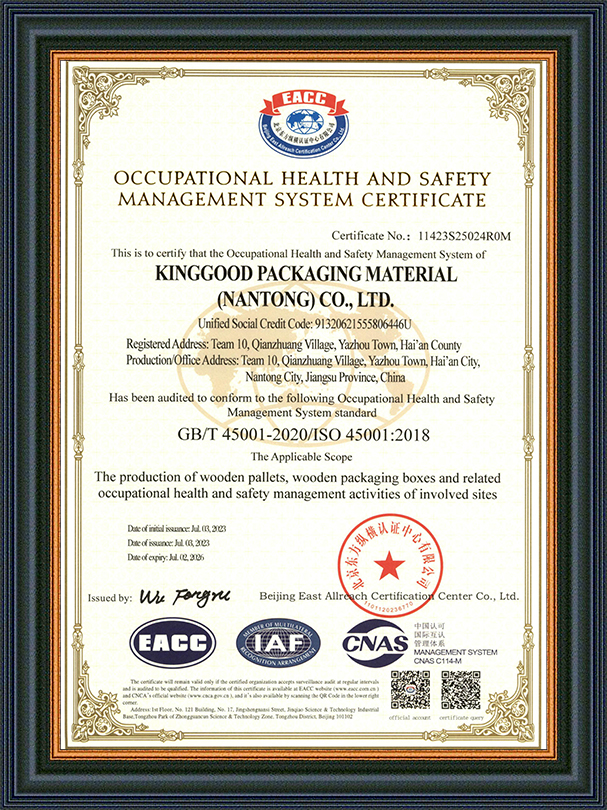
Certificate Of Honor
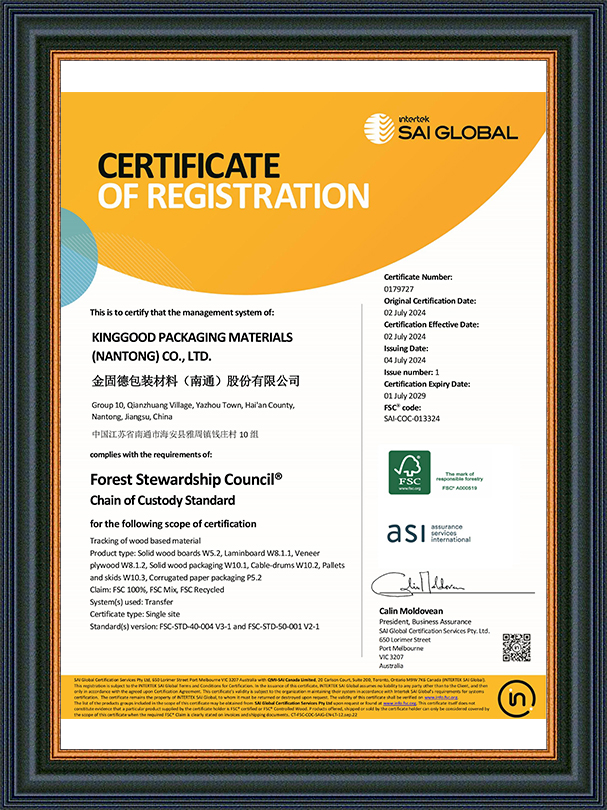
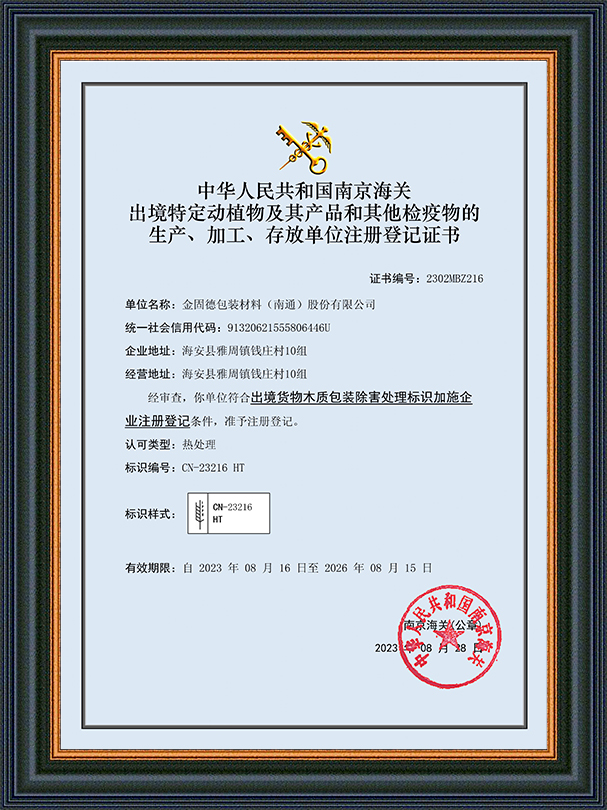
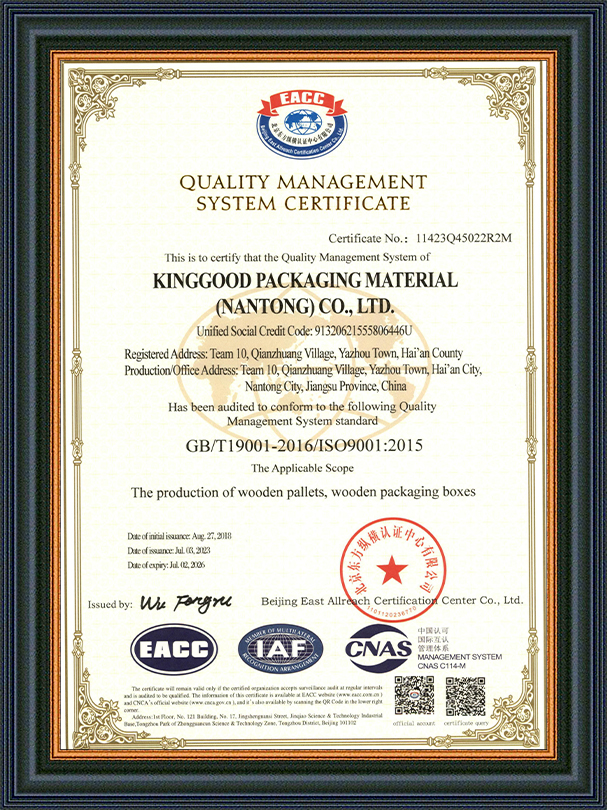

Latest Articles

Export Plywood Wood Boxes Industry knowledge
Why Plywood Is a Practical Choice for Export Packaging
Export plywood wood boxes are engineered specifically to meet the structural and regulatory demands of international shipping, offering exporters a lighter and often less bureaucratically complicated alternative to solid wood crating. Because plywood is manufactured from bonded veneer layers rather than raw sawn timber, it frequently avoids the additional treatment steps that solid wood packaging must undergo before crossing international borders, helping exporters move goods with fewer procedural delays.
For companies exporting machinery components, parts kits, or industrial goods on a regular schedule, plywood boxes provide a consistent, repeatable packaging format that supports predictable freight planning across multiple shipments.
How Export Plywood Boxes Are Built to Survive International Transit
Cross-Layered Panel Strength
Plywood panels used in export boxes are constructed from multiple veneer layers glued with alternating grain direction, distributing stress evenly across the panel and resisting the warping that solid boards can develop when exposed to the humidity swings common in ocean freight containers.
Reinforced Corners and Sealed Joints
Export-grade plywood boxes typically feature reinforced corner brackets and tightly sealed panel joints to prevent moisture intrusion and maintain structural integrity through multiple handling transfers. A well-built export plywood box can withstand several stacking cycles and forklift transfers without joint separation or panel deflection.
Key Advantages of Choosing Export Plywood Wood Boxes
- Simplified customs procedures compared with solid wood packaging in many markets
- Lighter shipping weight that reduces overall freight cost per shipment
- Strong resistance to warping and splitting during long ocean voyages
- Consistent panel quality across large production batches
- Suitable surface for printed shipping marks, handling instructions, and barcodes
These advantages make export plywood boxes a dependable option for companies balancing cost control with the need for reliable protection across international trade routes.
Selecting Panel Thickness for Different Export Cargo
The right plywood thickness depends on cargo weight, fragility, and the number of handling transfers expected during the export journey.
| Cargo Category | Recommended Thickness | Shipping Method |
|---|---|---|
| Light Export Goods | 6-9 mm | Air freight |
| General Export Cargo | 12-15 mm | Ocean freight (LCL) |
| Heavier Export Machinery Parts | 15-18 mm | Ocean freight (FCL) |
| Oversized Export Loads | 18-21 mm | Break-bulk or project cargo |
Export Compliance Considerations for Plywood Packaging
Because plywood is a manufactured wood product rather than raw solid timber, export plywood boxes generally fall outside the scope of the ISPM 15 phytosanitary standard that requires heat treatment or fumigation for solid wood packaging materials. This distinction allows many export plywood boxes to be shipped directly without additional on-site inspection, reducing lead time at customs checkpoints.
Even so, exporters should confirm specific requirements with their destination country's customs authority, since certain regions apply additional review to manufactured wood packaging depending on adhesive composition or origin.
Manufacturer of Export Plywood Wood Boxes
Headquartered in Yazhou Town, Hai'an, Nantong, King Good Packaging Materials (Nantong) Co., Ltd. operates processing facilities across Taizhou, Fengxian, Wuhan, Dongguan, Kunshan, and Beilun, using fir, pine, miscellaneous wood, plywood, and particleboard to manufacture export plywood wood boxes alongside heavy duty solid wood crates, wooden pallets, cushion boards, front boards, and edge boards. Every production procedure is strictly controlled to ensure consistent quality, and export-grade plywood boxes can be shipped directly without additional inspection, simplifying export procedures for businesses handling oversized machinery and equipment.
Frequently Asked Questions
Q1: Why do exporters often prefer plywood boxes over solid wood crates?
Plywood boxes are typically lighter, resist warping better in humid conditions, and often avoid the additional export treatment required for solid wood packaging.
Q2: Do export plywood boxes require ISPM 15 heat treatment?
Plywood is generally classified as a manufactured wood product and typically falls outside ISPM 15 requirements, though buyers should confirm specific rules with the destination country's customs authority.
Q3: What plywood thickness is best for ocean freight shipments?
General export cargo shipped via LCL ocean freight typically uses 12-15 mm plywood, while heavier machinery parts in FCL containers may require 15-18 mm panels.
Q4: How many handling transfers can an export plywood box withstand?
A well-built export plywood box with reinforced corners can typically withstand several stacking cycles and forklift transfers without joint separation.


Got Questions? Contact Us Now
-
Copyright @ King Good Packaging Materials (NanTong)Co.,Ltd. All Rights Reserved. Custom Export Plywood Wood Boxes Supplier Export Plywood Wood Boxes Factory

-
Contact info.
+86-0513-88669885 +86-13813749256 13813749256@163.com Qianzhuang Village, Yazhou Town, Hai'an City, Nantong City, Jiangsu Province, China - About KINGGOOD Packaging Series Industry Solutions OEM Service News Contact