

 English
 中文简体
中文简体 Español

Wooden Packaging Design and Improvement
Wooden box packaging is a widely used packaging material. Its design and improvement play a key role in enhancing packaging effectiveness and efficiency. This article explores the design principles of wooden packaging boxes and potential improvements to meet diverse packaging requirements.
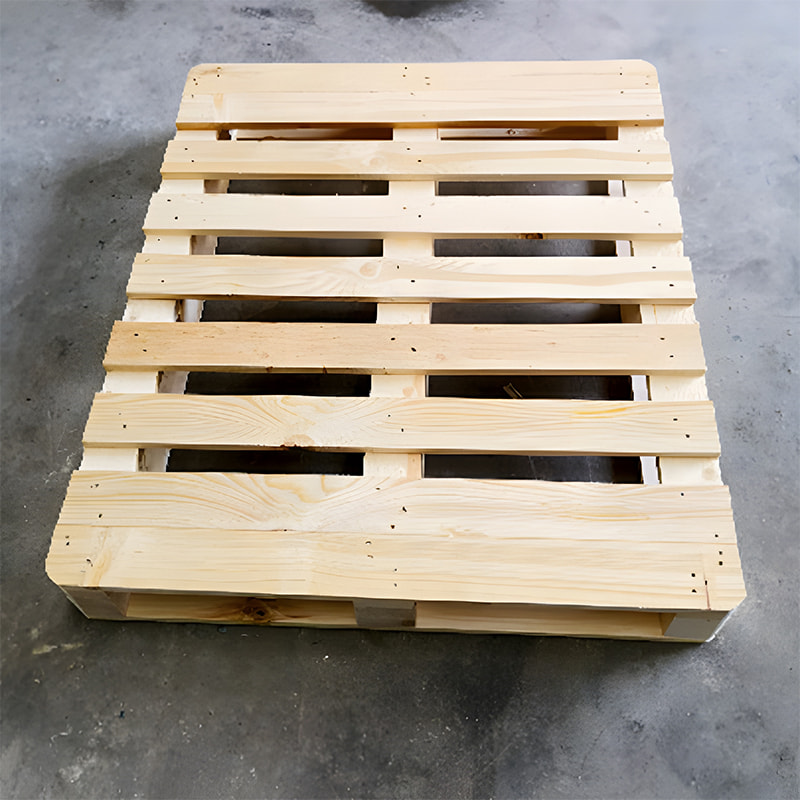
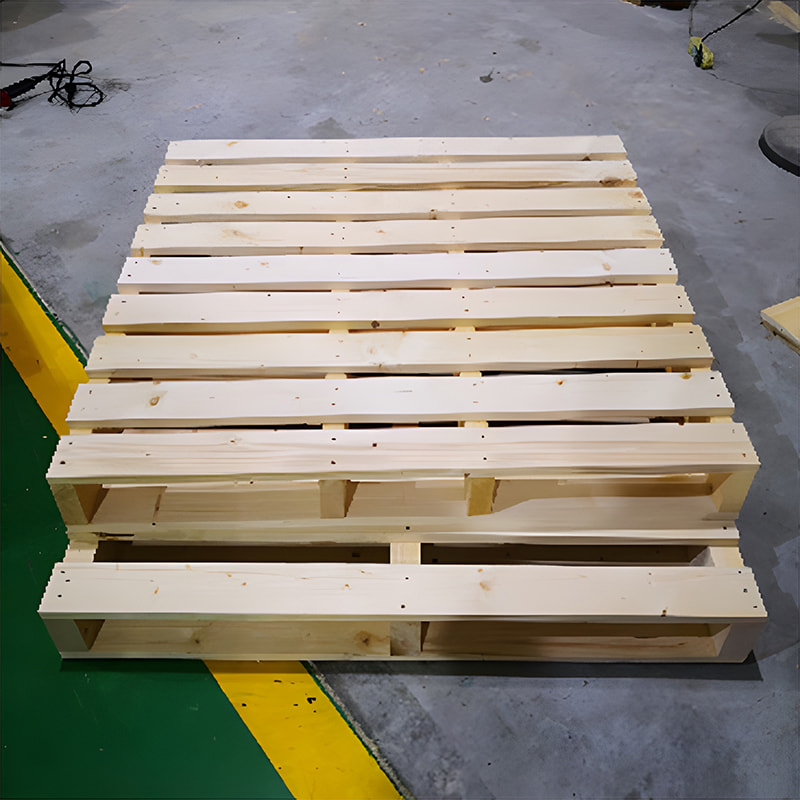
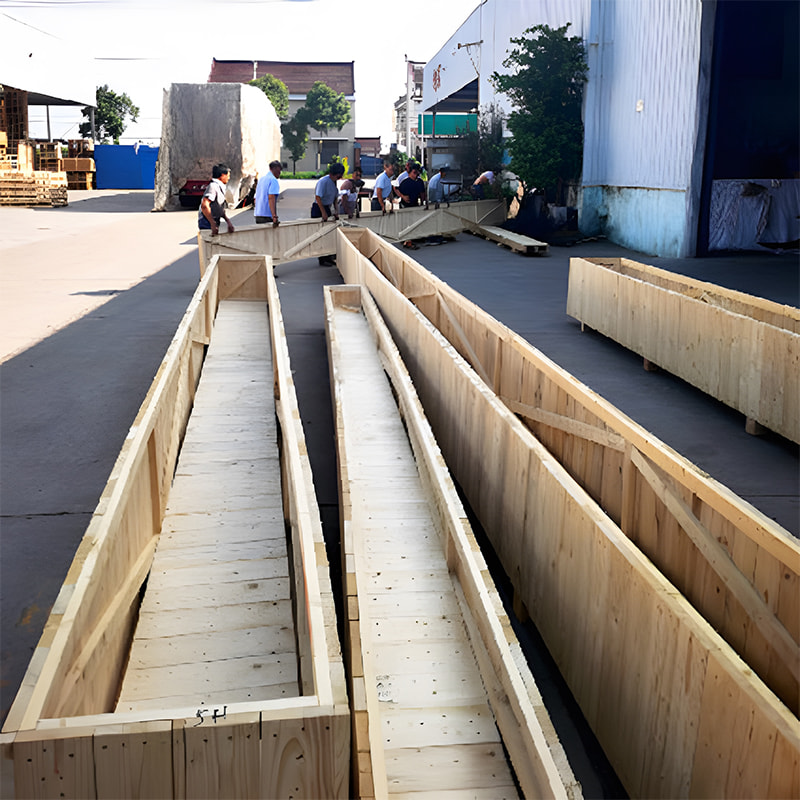
First, the design of wooden packaging boxes should be based on the characteristics and dimensions of the items to be packaged. Different items vary in shape and size, so wooden box designs should be tailored accordingly. For fragile items, the packaging box should offer sufficient cushioning to prevent damage. For heavier items, it must have adequate load-bearing capacity to ensure safe transportation.
Second, improving the structure and materials of packaging boxes can extend their service life and enhance performance. Strengthening corner joints, for example, can improve impact resistance. Selecting more durable and recyclable wood types helps prolong the life of packaging boxes while reducing environmental impact. Additionally, adding internal partitions and fixtures can improve packaging stability by preventing items from shifting during transit.
Sustainability and environmental protection should also be considered in wooden packaging design. Wood from sustainably managed forests should be used to avoid overlogging and ecological harm. Emphasis should be placed on recycling and reuse to reduce natural resource consumption and environmental pollution. Designing detachable and reusable packaging boxes is one effective way to support environmental goals.
Finally, packaging box design should take into account the convenience of transportation and handling. Properly sized boxes improve loading efficiency and stacking stability, reducing space waste. Adding features such as handles and stacking strips can further enhance ease of use and operational efficiency.
In conclusion, the design and improvement of wooden packaging boxes should be guided by the characteristics of the items being packed, with attention to structural optimization, material selection, environmental sustainability, and usability. By refining both design and manufacturing processes, packaging effectiveness and efficiency can be improved to better serve the needs of different industries and applications.


Got Questions? Contact Us Now
-
Copyright @ King Good Packaging Materials (NanTong)Co.,Ltd. All Rights Reserved. Custom Wooden Packaging Solutions Manufacturer OEM Industrial Packaging Solutions Factory

-
Contact info.
+86-0513-88669885 +86-13813749256 13813749256@163.com Qianzhuang Village, Yazhou Town, Hai'an City, Nantong City, Jiangsu Province, China - About KINGGOOD Packaging Series Industry Solutions OEM Service News Contact