

 English
 中文简体
中文简体 Español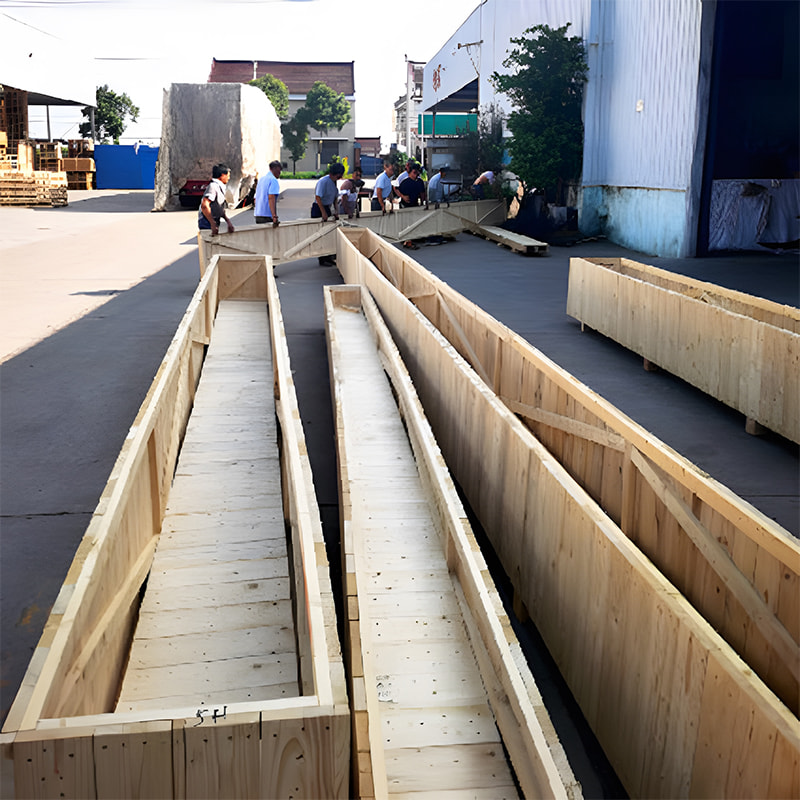
King Good Packaging Materials (NanTong)Co.,Ltd. is a Custom Large equipment packaging solid wooden box Manufacturer and Large equipment packaging solid wooden box Factory, committed to becoming a national OEM manufacturer of wood products packaging, specializing in the design, development and production of wood products. It has processing factories of different scales in Taizhou, Jiangsu Province, Fengxian, Shanghai, Wuhan, Hubei Province, Dongguan, Guangdong Province, Kunshan, Jiangsu Province and Beilun, Ningbo. The company's headquarters is located in Yazhou Town, Haian City, Nantong City. Since the establishment of the factory, it has newly introduced wood processing machinery and supporting equipment, and has technicians with many years of rich experience. It strictly controls each production procedure and ensures quality and quantity with proficient skills. We have formed a complete chain covering production, after-sales service and on-site packaging. Our perfect service has won high praise from many enterprises.
Based on raw materials such as fir, pine, miscellaneous wood, plywood and particleboard, KingGood can customize different products according to development to avoid unnecessary losses during long-distance transportation. Main products: Packaging boards, multi-layer boards, (for export and domestic use) wooden pallets. Wooden crates, pallet boards, front boards, and side board wooden crates (plywood, pallets, and packaging boxes can be exported directly without inspection, saving you a lot of cumbersome procedures) can provide packaging for extra-large mechanical equipment. Our company adheres to the principle of keeping promises, achieving mutual benefit and win-win results, getting along harmoniously, doing things with dedication, and providing excellent service. Ensure the company's continuous and stable development.


Heavy Duty Solid Wood Crates
Home / Packaging Series / Heavy Duty Wood Crates / Heavy Duty Solid Wood Crates / Large equipment packaging solid wooden box
All Products
Large equipment packaging solid wooden box
Designed specifically for heavy, oversized equipment (such as industrial machine tools, wind turbine components, large engines, and heavy machinery parts), this solid wooden box for large equipment packaging is made from high-density, high-quality hardwood. Its strong load-bearing capacity, high rigidity, and customization make it a crucial protective packaging solution for large equipment during shipment, transportation, and storage. Its core performance precisely matches the requirements of large equipment: its natural wood fiber structure imparts impressive resistance to compression and bending, allowing it to stably support the weight of large equipment. Even during long-term static storage or multi-layer stacking (stacking plans must be designed based on the equipment's weight), it resists structural deformation or collapse, fundamentally preventing equipment movement and collisions caused by insufficient packaging support. Furthermore, its use of mortise and tenon joints combined with high-strength nails and bolts ensures impressive rigidity. It can withstand the mechanical forces of loading and unloading large equipment (such as impact from hoisting and forklift transport), as well as the bumps and vibrations of long-distance transportation, providing comprehensive structural protection for the equipment.
In terms of customization and protective details, this solid wooden box fully meets the unique characteristics of large equipment. The dimensions can be customized to suit the equipment's length, width, height, and special shapes (such as protruding components or irregular contours). Even "split boxes" can be designed for extra-wide, extra-tall, and extra-long equipment. These components can be disassembled and packaged separately before being reassembled at the destination, easily solving the packaging and transportation challenges of oversized equipment. For hoisting large equipment, the box can be pre-installed with reinforced metal lifting lugs compatible with professional lifting equipment, ensuring even load distribution during lifting and preventing damage. To protect delicate components or vulnerable areas on the equipment, a custom wooden support frame and cushioning pads (such as rubber pads or foam pads) can be installed inside the box to precisely secure the equipment and reduce the impact of vibrations during transportation. Furthermore, the box can be treated with moisture-proofing treatments (such as waxing or waterproof film) and sealed to isolate it from external moisture and dust, tailored to the equipment's specific needs (e.g., moisture and dust sensitivity). This makes it particularly suitable for long-term storage or cross-regional transportation of large equipment, fully guaranteeing the integrity of the equipment while packaged, ensuring its safe arrival at the installation site.
About KINGGOOD
King Good Packaging Materials (NanTong)Co.,Ltd.
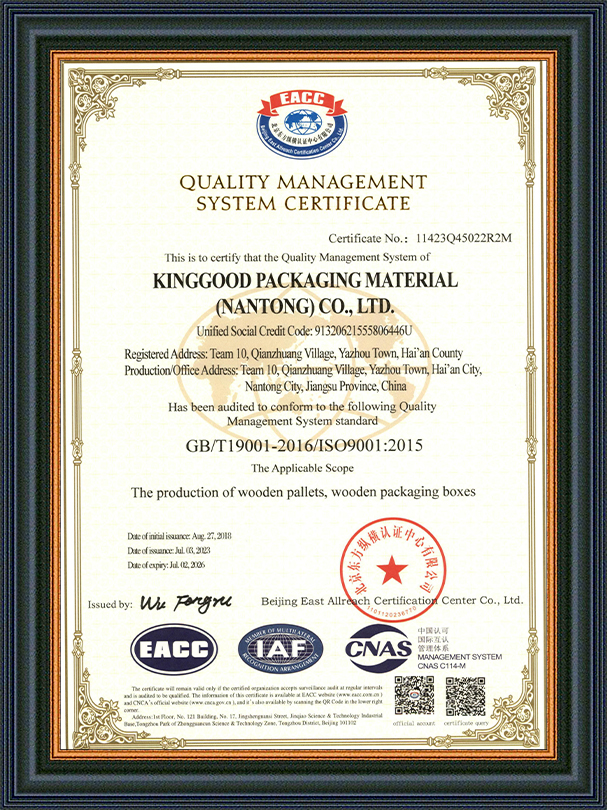
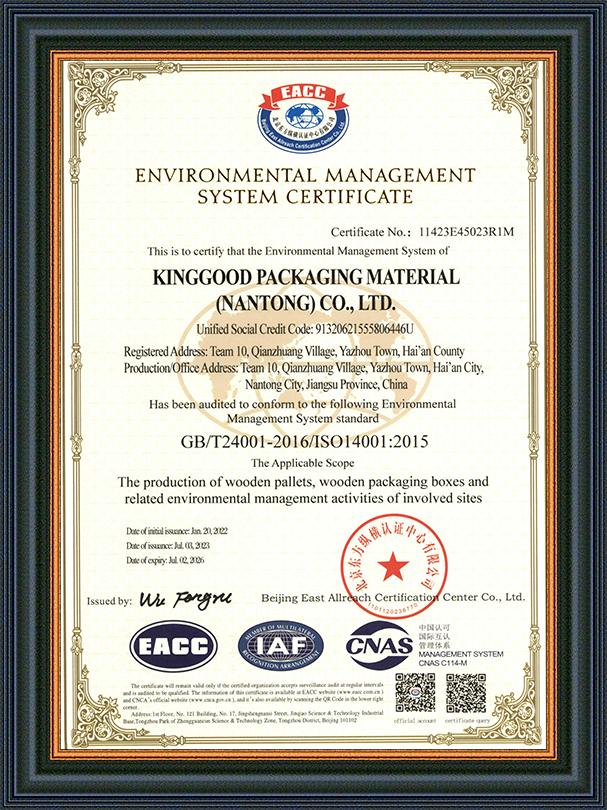
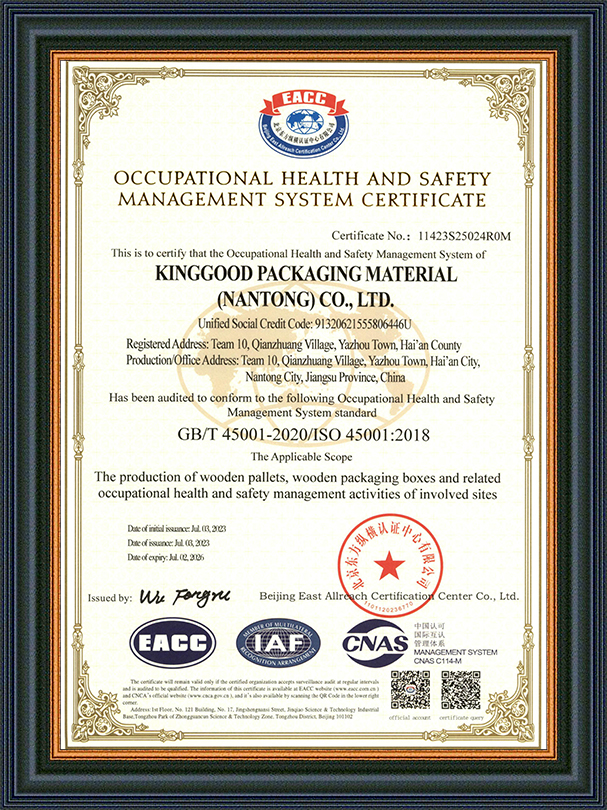
Certificate Of Honor

Message Feedback
Latest Articles

Heavy Duty Solid Wood Crates Industry knowledge
Why a Strong Box Alone Isn't Enough for Large Equipment
Structural strength keeps a large equipment packaging solid wooden box from collapsing under weight, but it does not by itself prevent corrosion, vibration damage, or mishandling once the box leaves the factory. Metal components, precision assemblies, and electronic control units inside the crate face threats that have nothing to do with crushing force, which is why complete large equipment packaging also addresses moisture control, internal restraint, and clear handling instructions printed directly on the box.
A complete protection strategy beyond raw structural strength typically covers:
- Moisture and corrosion protection for exposed metal surfaces during long ocean transit.
- Internal restraint that prevents the equipment from shifting inside the box during handling.
- Clear external markings that communicate handling requirements to every worker who touches the shipment.
- Documentation that travels with the crate to confirm treatment and packing compliance at customs checkpoints.
How Complete Protection Is Built Into the Wooden Box
Vapor Barrier and Desiccant Protection
For equipment with exposed metal surfaces, a sealed vapor barrier film is often wrapped around the machine before it is placed in the box, with desiccant bags added inside to absorb residual moisture. This combination is what prevents condensation from forming inside a sealed environment during weeks of temperature swings on an ocean voyage.
Internal Restraint and Anti-Vibration Mounting
Beyond bracing the equipment's base, internal restraint straps, wedge blocks, and cushioned mounts are used to prevent smaller shifts caused by road vibration or repeated port handling. Equipment with sensitive electronic control panels often receives additional isolation mounts specifically to dampen vibration frequencies that could loosen internal connections over a long journey.
Handling and Orientation Markings
Clear external markings, including center-of-gravity indicators, this-side-up arrows, weight labels, and defined sling or forklift points, reduce the chance of incorrect handling by workers unfamiliar with the specific equipment inside. These markings are especially important on multi-leg shipments where the crate passes through several different handling teams.
Matching Protection Methods to Equipment and Route Risk
Not every large equipment shipment faces the same risks, so protection measures should be matched to the specific route and machine characteristics.
| Risk Factor | Recommended Protection |
|---|---|
| Long ocean transit with humidity exposure | Vapor barrier film and desiccant packs |
| Electronic control units or sensitive assemblies | Anti-vibration isolation mounts |
| Multi-leg shipment with several handling teams | Clear orientation and lifting-point markings |
| Road transport with frequent stops | Internal restraint straps and wedge blocks |
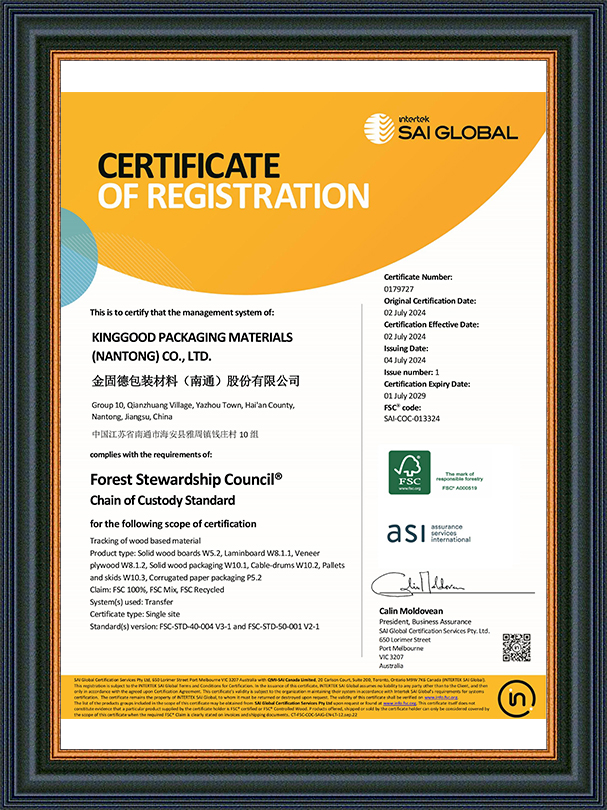
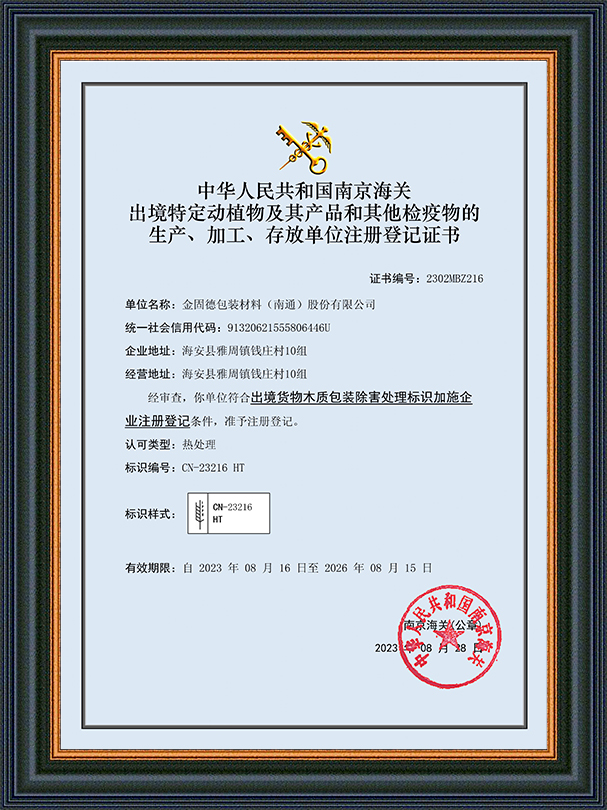
Solid wood boxes used internationally are generally required to comply with the ISPM 15 phytosanitary standard, which requires heat treatment or fumigation before export. Documentation confirming this treatment should travel with the shipment to avoid delays at customs checkpoints along the route.
Frequently Asked Questions About Large Equipment Packaging Protection
Q1: Why is moisture protection necessary if the box is already sealed?
Temperature swings during transit cause condensation to form inside a sealed space even without external leaks, which is why vapor barrier film and desiccant are added specifically to manage internal humidity rather than external water entry.
Q2: What markings should appear on a large equipment box?
Common markings include center-of-gravity indicators, this-side-up arrows, total weight labels, and clearly identified sling or forklift lifting points to guide safe handling.
Q3: Do all large equipment shipments need anti-vibration mounting?
Not all, but equipment with sensitive electronic components or precision assemblies typically benefits from isolation mounts that dampen vibration during long or multi-leg journeys.
Q4: What documentation should travel with an internationally shipped wooden box?
Documentation confirming ISPM 15 heat treatment or fumigation status should accompany the shipment to help avoid delays at customs checkpoints along multi-country routes.
Complete Protection Solutions for Oversized Equipment Shipments
Headquartered in Yazhou Town, Hai'an, Nantong, King Good Packaging Materials (Nantong) Co., Ltd. operates processing facilities across multiple regions, including Taizhou, Fengxian in Shanghai, Wuhan, Dongguan, Kunshan, and Beilun in Ningbo, providing specialized packaging solutions for extra-large mechanical equipment that go beyond structural strength to address moisture control, internal restraint, and handling clarity. Backed by technicians with years of hands-on experience and a complete chain covering production, after-sales service, and on-site packaging, the company helps customers reduce potential losses during long-distance transportation across every stage of the shipping route.


Got Questions? Contact Us Now
-
-
Contact info.
+86-0513-88669885 +86-13813749256 13813749256@163.com Qianzhuang Village, Yazhou Town, Hai'an City, Nantong City, Jiangsu Province, China - About KINGGOOD Packaging Series Industry Solutions OEM Service News Contact
