

 English
 中文简体
中文简体 Español
King Good Packaging Materials (NanTong)Co.,Ltd. is a Custom Export solid Heavy Duty Solid Wood Crates Supplier and Export solid Heavy Duty Solid Wood Crates Factory, committed to becoming a national OEM manufacturer of wood products packaging, specializing in the design, development and production of wood products. It has processing factories of different scales in Taizhou, Jiangsu Province, Fengxian, Shanghai, Wuhan, Hubei Province, Dongguan, Guangdong Province, Kunshan, Jiangsu Province and Beilun, Ningbo. The company's headquarters is located in Yazhou Town, Haian City, Nantong City. Since the establishment of the factory, it has newly introduced wood processing machinery and supporting equipment, and has technicians with many years of rich experience. It strictly controls each production procedure and ensures quality and quantity with proficient skills. We have formed a complete chain covering production, after-sales service and on-site packaging. Our perfect service has won high praise from many enterprises.
Based on raw materials such as fir, pine, miscellaneous wood, plywood and particleboard, KingGood can customize different products according to development to avoid unnecessary losses during long-distance transportation. Main products: Packaging boards, multi-layer boards, (for export and domestic use) wooden pallets. Wooden crates, pallet boards, front boards, and side board wooden crates (plywood, pallets, and packaging boxes can be exported directly without inspection, saving you a lot of cumbersome procedures) can provide packaging for extra-large mechanical equipment. Our company adheres to the principle of keeping promises, achieving mutual benefit and win-win results, getting along harmoniously, doing things with dedication, and providing excellent service. Ensure the company's continuous and stable development.


Export solid Heavy Duty Solid Wood Crates
Home / Packaging Series / Heavy Duty Wood Crates / Heavy Duty Solid Wood Crates / Export solid Heavy Duty Solid Wood Crates
All Products
Export solid Heavy Duty Solid Wood Crates Supplier
information to be updated
About KINGGOOD
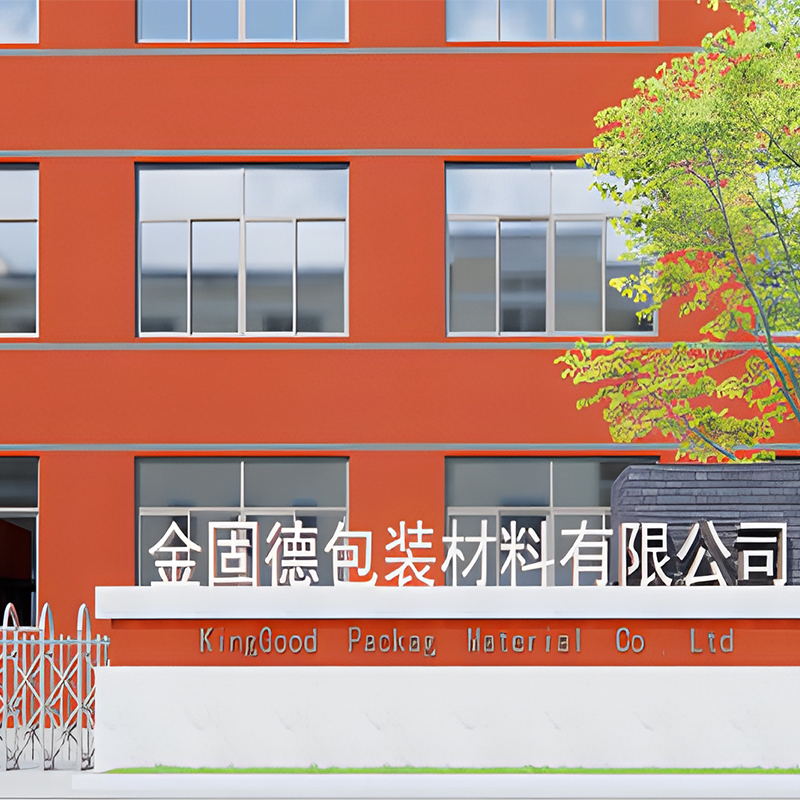
King Good Packaging Materials (NanTong)Co.,Ltd.
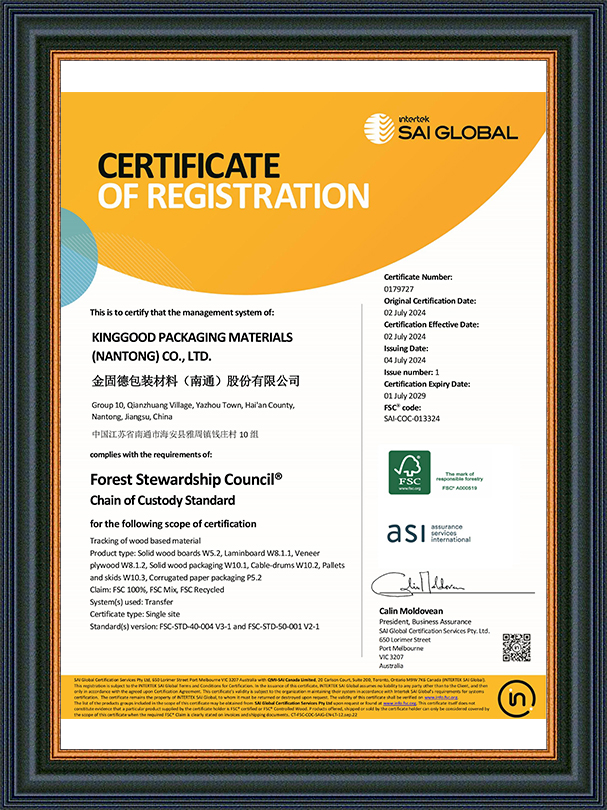
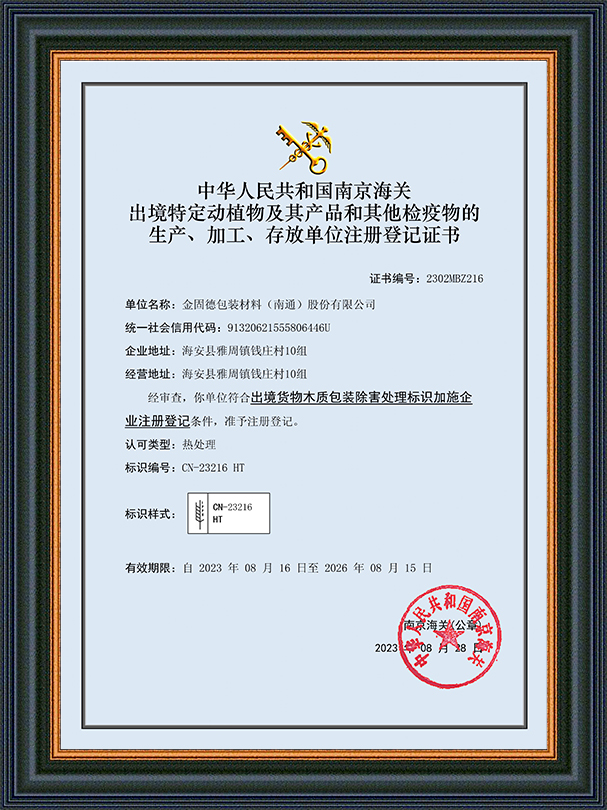
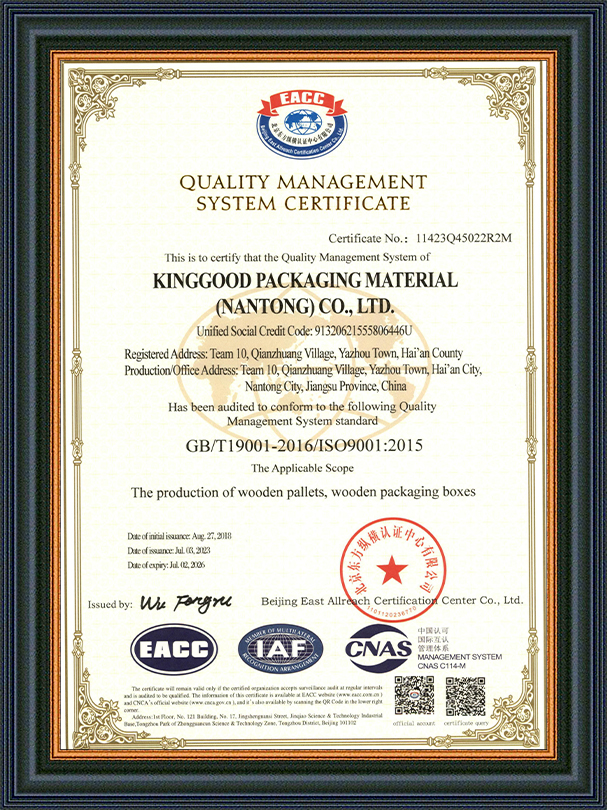
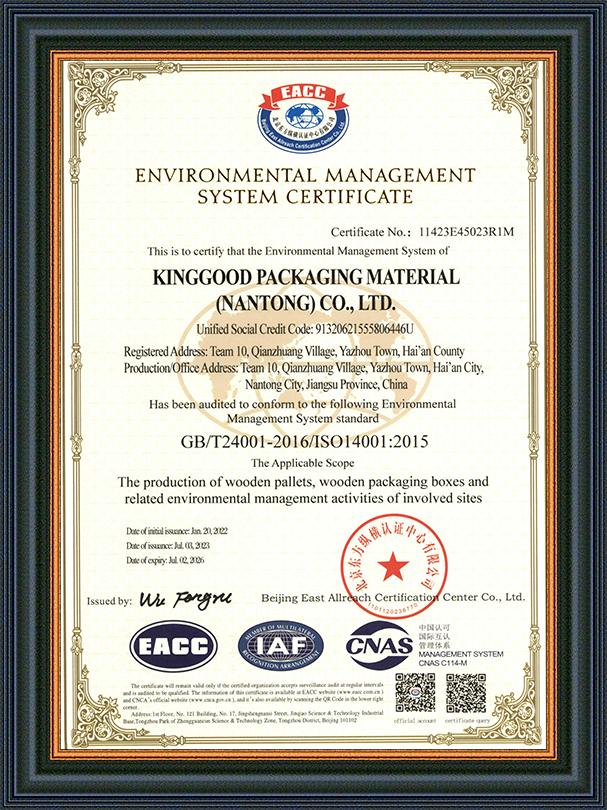
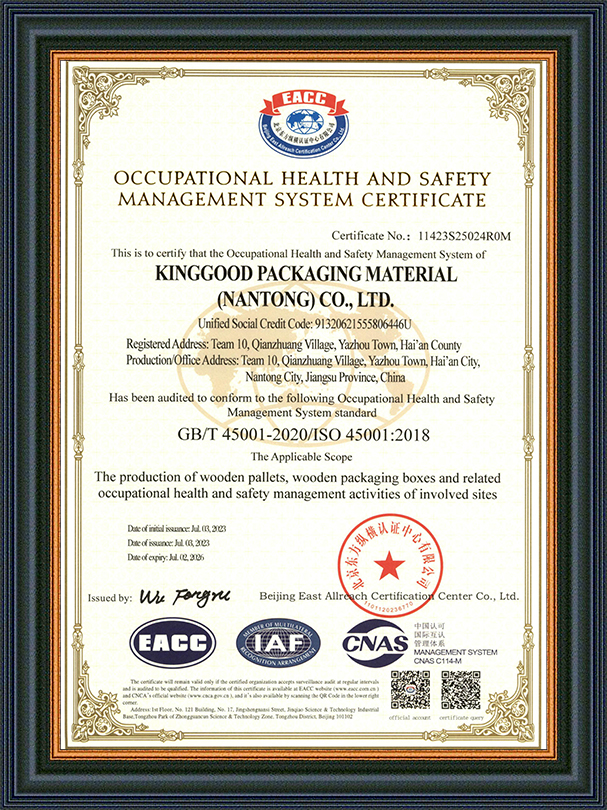
Certificate Of Honor

Latest Articles

Export solid Heavy Duty Solid Wood Crates Industry knowledge
What Makes a Crate Ready for Export-Grade Solid Wood Shipping
An export solid heavy duty solid wood crate is built not only to withstand the physical stress of international freight, but also to meet the documentation and treatment standards required to cross national borders without triggering additional customs inspection. This distinguishes it from a standard heavy duty crate built for domestic use, where phytosanitary treatment and export certification are typically not required at all.
For companies shipping heavy machinery internationally, choosing a crate that is both structurally rated for the cargo weight and properly certified for export can mean the difference between a shipment clearing customs smoothly or facing costly delays at the port of entry.
How Export-Grade Solid Wood Crates Are Prepared for International Shipment
Heat Treatment and Fumigation Under ISPM 15
Solid wood used in export crates must undergo heat treatment or fumigation in accordance with the ISPM 15 international phytosanitary standard, which is designed to eliminate pests and larvae that could otherwise spread across borders through untreated wood packaging. Once treated, the crate is stamped with an official mark confirming compliance, which customs officials recognize during clearance.
Structural Reinforcement for Long-Distance Freight
Beyond treatment compliance, export-grade heavy duty crates require reinforced corner posts, diagonal bracing, and thick base skids to withstand the vibration and stacking pressure of long ocean voyages. A properly built export crate can typically support several tons of machinery while surviving multiple handling transfers between origin and destination.
Key Advantages of Certified Export Heavy Duty Wood Crates
- Direct customs clearance without additional on-site inspection when properly marked
- High load capacity engineered specifically for heavy industrial machinery
- Reduced risk of shipment rejection or fumigation delays at the destination port
- Repairable structure that maintains protection even after minor transit damage
- Compatibility with international freight handling equipment at every transfer point
For exporters working with time-sensitive machinery deliveries, these advantages translate directly into fewer delays and more predictable transit timelines.
Comparing Export Requirements by Crate Material
Understanding how export requirements differ by material helps buyers plan documentation and lead time before shipment.
| Crate Material | ISPM 15 Requirement | Load Capacity |
|---|---|---|
| Export Solid Wood Crate | Required | Very High |
| Plywood Crate | Generally not required | Medium to High |
| Particleboard Crate | Generally not required | Medium |
| Corrugated Paper Crate | Not required | Low to Medium |
Avoiding Common Export Documentation Delays
One of the most frequent causes of shipment delay is a missing or unclear ISPM 15 treatment mark on solid wood packaging, which prompts customs officials to hold the shipment for verification or additional fumigation. Exporters should confirm that every crate carries a visible, legible stamp before the container is sealed, and retain treatment certificates as backup documentation in case of an audit.
Working with a supplier that handles treatment compliance as a standard part of production, rather than an optional add-on, reduces the administrative burden on the exporter and lowers the chance of last-minute customs issues.
Export-Ready Heavy Duty Crates Built to Standard
Headquartered in Yazhou Town, Hai'an, Nantong, King Good Packaging Materials (Nantong) Co., Ltd. operates processing facilities across Taizhou, Fengxian, Wuhan, Dongguan, Kunshan, and Beilun, using fir, pine, miscellaneous wood, plywood, and particleboard to manufacture export-grade heavy duty solid wood crates that can be shipped directly without additional inspection, alongside wooden pallets, cushion boards, front boards, and edge boards. Every production procedure is strictly controlled to ensure consistent quality, simplifying export procedures for businesses handling oversized machinery and equipment.
Frequently Asked Questions
Q1: What makes a crate "export-grade" rather than standard?
An export-grade crate has undergone ISPM 15 heat treatment or fumigation and carries an official compliance mark, allowing it to clear international customs without additional inspection.
Q2: How much weight can an export heavy duty solid wood crate hold?
Depending on frame thickness and bracing design, these crates can typically be engineered to support several tons of machinery per unit.
Q3: What happens if a crate is missing its treatment mark at customs?
Customs officials may hold the shipment for verification or require additional fumigation on-site, which can cause significant delays before the cargo is released.
Q4: Do all countries recognize the same ISPM 15 treatment mark?
The ISPM 15 mark is internationally recognized, though exporters should confirm specific documentation requirements with the customs authority of each destination country.


Got Questions? Contact Us Now
-
-
Contact info.
+86-0513-88669885 +86-13813749256 13813749256@163.com Qianzhuang Village, Yazhou Town, Hai'an City, Nantong City, Jiangsu Province, China - About KINGGOOD Packaging Series Industry Solutions OEM Service News Contact
