

 English
 中文简体
中文简体 Español
King Good Packaging Materials (NanTong)Co.,Ltd. is a Custom Frame Crates Supplier and Frame Crates Factory, committed to becoming a national OEM manufacturer of wood products packaging, specializing in the design, development and production of wood products. It has processing factories of different scales in Taizhou, Jiangsu Province, Fengxian, Shanghai, Wuhan, Hubei Province, Dongguan, Guangdong Province, Kunshan, Jiangsu Province and Beilun, Ningbo. The company's headquarters is located in Yazhou Town, Haian City, Nantong City. Since the establishment of the factory, it has newly introduced wood processing machinery and supporting equipment, and has technicians with many years of rich experience. It strictly controls each production procedure and ensures quality and quantity with proficient skills. We have formed a complete chain covering production, after-sales service and on-site packaging. Our perfect service has won high praise from many enterprises.
Based on raw materials such as fir, pine, miscellaneous wood, plywood and particleboard, KingGood can customize different products according to development to avoid unnecessary losses during long-distance transportation. Main products: Packaging boards, multi-layer boards, (for export and domestic use) wooden pallets. Wooden crates, pallet boards, front boards, and side board wooden crates (plywood, pallets, and packaging boxes can be exported directly without inspection, saving you a lot of cumbersome procedures) can provide packaging for extra-large mechanical equipment. Our company adheres to the principle of keeping promises, achieving mutual benefit and win-win results, getting along harmoniously, doing things with dedication, and providing excellent service. Ensure the company's continuous and stable development.


Frame Crates
All Products
Frame Crates Supplier
Frame crates, used for packaging and transporting industrial goods, feature a core structure consisting of a "bottom load-bearing frame" with four corner posts. They lack fixed side or roof panels and are categorized by material type. Metal frame crates (commonly made of steel or aluminum alloy) and wooden frame crates (using high-strength solid wood or plywood) are suitable for extremely heavy and oversized industrial goods (such as large machinery and heavy steel structures), while wooden frame crates are suitable for medium-weight, irregularly shaped goods that require cushioning (such as large equipment parts and irregular molds). These frame crates offer exceptional loading and unloading flexibility, allowing cargo to be loaded and unloaded via various methods, including hoisting, forklift transport, and horizontal movement. They are particularly suitable for oversized cargo, which can be loaded directly without disassembly. They are also suitable for odd-shaped and irregular cargo. The rigid bottom frame can be equipped with accessories such as anti-slip mats, fixing clips, and custom brackets to conform to the contours of the cargo, preventing displacement during transport. Even protruding parts of the cargo will not be squeezed by the side panels.
Frame Crates offer significant advantages in terms of load capacity. They meet the stringent requirements for packaging strength, stability, and risk resistance for oversized and heavy industrial products. Their structural design effectively distributes weight and resists transport shock, offering good protection compared to conventional wooden crates. Strict raw material control, a comprehensive supply chain, and a high proportion of robotic production ensure precision and efficiency in mass production. They also support customization of the frame structure and accessories based on cargo weight, size, and securing requirements. Their streamlined logistics and transportation are facilitated by a side-panel-less top panel design that reduces packaging volume and weight, lowering transportation costs. Supporting services include loading plan design and accessory compatibility recommendations. Their core advantages lie in efficient loading and unloading, wide adaptability, and reliable load capacity, meeting the safe transportation needs of industrial goods of unusual sizes and weights.
information to be updated
About KINGGOOD
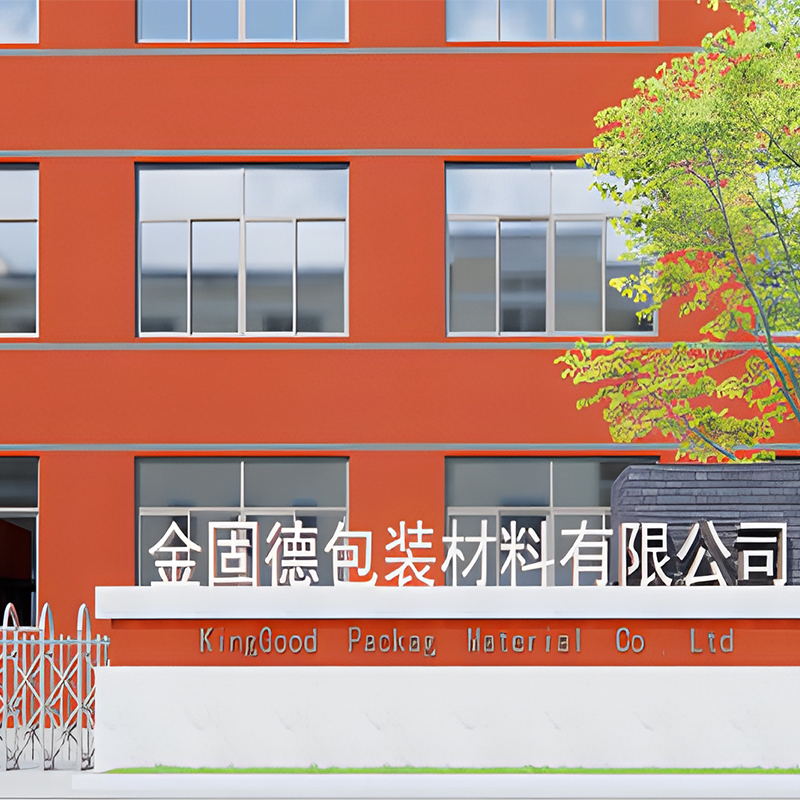
King Good Packaging Materials (NanTong)Co.,Ltd.
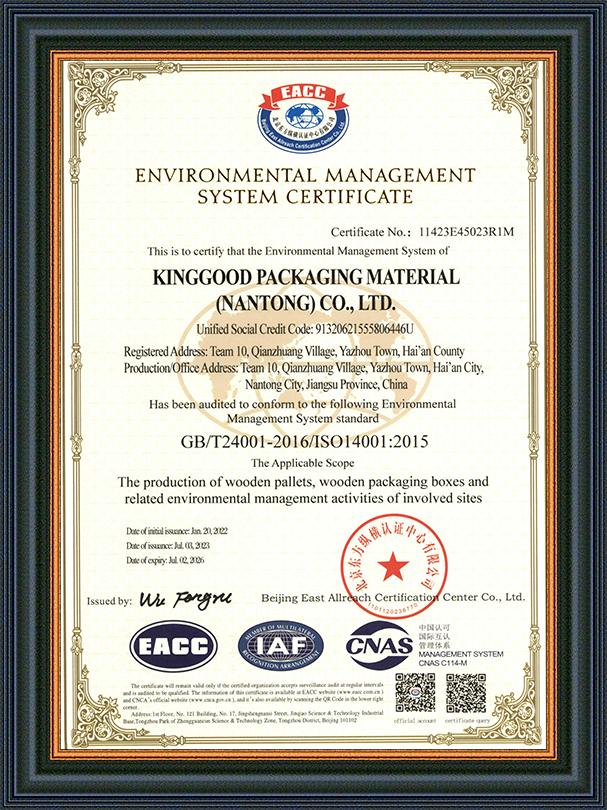
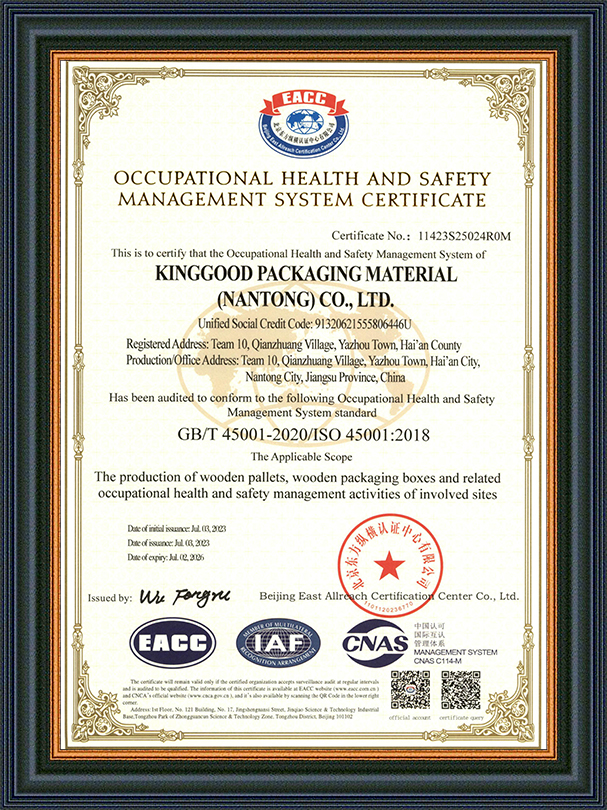
Certificate Of Honor
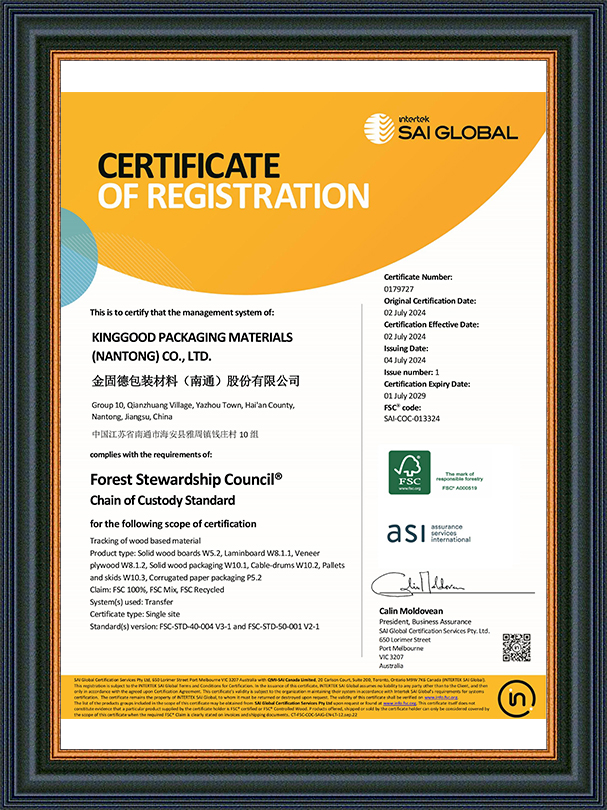
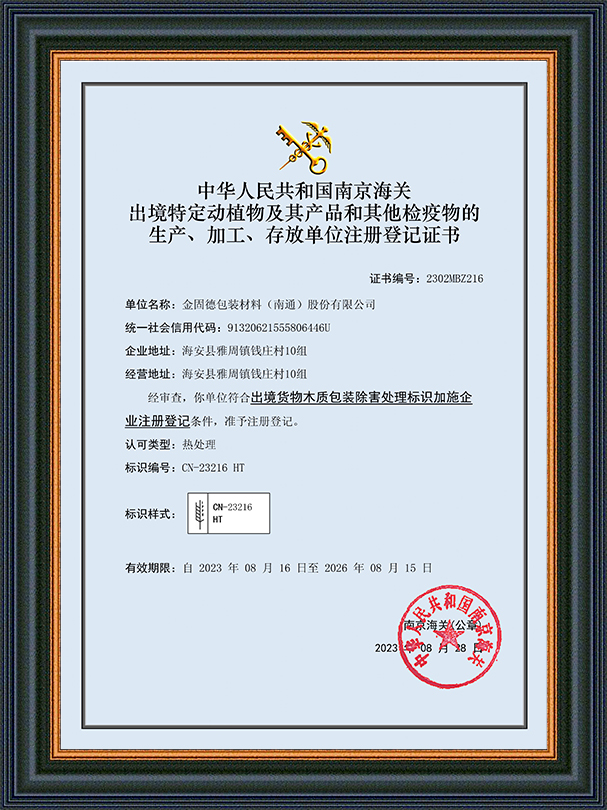
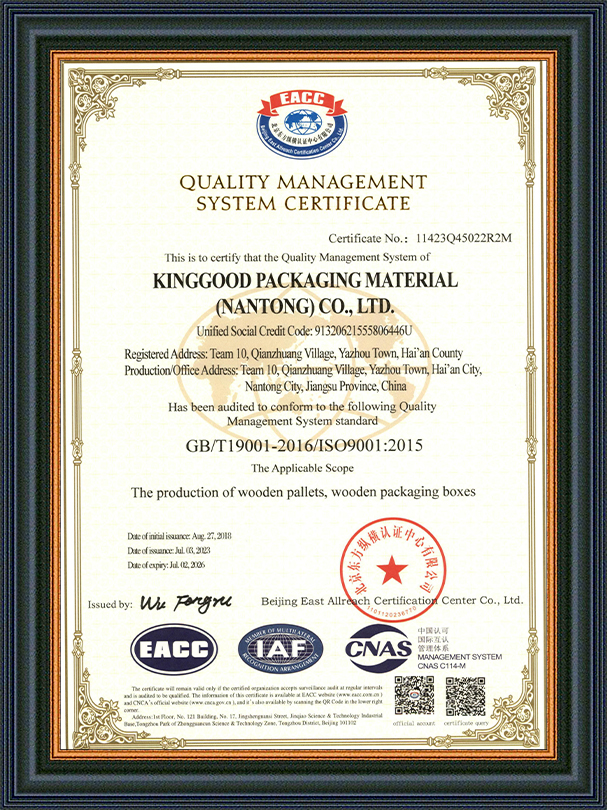

Latest Articles

Frame Crates Industry knowledge
Why Frame Crates Are a Cost-Effective Export Packaging Solution
Frame crates use an open skeletal structure of posts, battens, and skids rather than fully enclosed wooden panels, making them one of the most material-efficient ways to package equipment that does not need complete protection from dust or moisture. This lightweight construction significantly reduces both material consumption and total shipping weight compared with fully sheathed wooden cases, while still providing the structural strength needed to stack, lift, and transport heavy or bulky items safely.
Common advantages of choosing frame crates over solid-panel packaging include:
- Lower material and freight cost, since less wood is used per crate compared with fully enclosed cases.
- Easier visual inspection of cargo at customs or during handling without needing to open sealed panels.
- Better ventilation, which helps reduce condensation build-up around metal components during long voyages.
- Faster crate assembly and disassembly, useful for equipment that will be uncrated and reinstalled on site.
How Frame Crates Are Constructed to Handle Real-World Loads
Skid and Post Framework
A frame crate begins with a base skid built from thick timber runners, onto which vertical corner posts and horizontal battens are fastened to form an open rectangular cage. This skeletal design concentrates strength exactly where the load-bearing stress occurs, rather than distributing material evenly across solid panels that add weight without adding proportional strength.
Diagonal Bracing for Stability
Diagonal braces are added across the sides and top of the frame to prevent racking, the sideways shifting motion that can occur when a crate experiences lateral forces during transport, such as sudden braking or rough sea conditions. Properly braced frame crates maintain their shape even when stacked under other cargo inside a container.
Selective Use of Panels
Where partial protection is still required, plywood or particleboard panels can be added to specific sides of the frame, such as the top or base, while leaving the remaining sides open. This hybrid approach balances protection with material savings, and is commonly used for machinery bases, engine assemblies, and metal fabrications.
Choosing Frame Crates for the Right Cargo
Frame crates are not suited to every type of cargo. The decision to use an open frame versus a fully enclosed case generally depends on the cargo's sensitivity to weather, its shape, and its total weight.
| Cargo Characteristic | Suitable for Frame Crate? | Reason |
|---|---|---|
| Metal machinery bases | Yes | Weather-resistant, needs structural support only |
| Oversized rigid equipment | Yes | Reduces total shipping weight and cost |
| Moisture-sensitive electronics | Limited | Requires added panels or protective wrapping |
| Fine or fragile components | Limited | Better suited to fully enclosed wooden cases |
Solid wood frame crates used in cross-border shipments are generally required to comply with the ISPM 15 phytosanitary standard, which requires heat treatment or fumigation before export. Crates that already carry this treatment can pass through customs without additional inspection, helping avoid delays for time-sensitive equipment shipments.
Frequently Asked Questions About Frame Crates
Q1: What is the main difference between a frame crate and a solid wooden case?
A frame crate uses an open skeletal structure of posts and battens, while a solid case is fully enclosed with panels on all sides, offering more complete protection but at a higher material and weight cost.
Q2: Are frame crates strong enough for heavy machinery?
Yes. With properly sized skids, corner posts, and diagonal bracing, frame crates can support substantial loads while using significantly less material than fully sheathed alternatives.
Q3: Can panels be added to a frame crate for extra protection?
Yes. Plywood or particleboard panels can be fitted to specific sides of the frame where added weather or dust protection is needed, without fully enclosing the entire crate.
Q4: Do frame crates need export treatment before shipping?
Solid wood components used internationally generally require ISPM 15 heat treatment or fumigation, the same requirement that applies to most other wood-based export packaging.
Custom Frame Crates Engineered for Your Equipment
Headquartered in Yazhou Town, Hai'an, Nantong, King Good Packaging Materials (Nantong) Co., Ltd. has been equipped with advanced wood processing machinery since its establishment, using fir, pine, solid wood, plywood, and particleboard to design frame crates and other customized packaging solutions that reduce potential losses during long-distance transportation. Backed by skilled technical personnel and strict process control across production, after-sales support, and on-site services, the company also offers specialized packaging solutions for oversized machinery and equipment, along with export-grade wooden cases that can be shipped directly without additional inspection.


Got Questions? Contact Us Now
-
Copyright @ King Good Packaging Materials (NanTong)Co.,Ltd. All Rights Reserved. Custom Frame Crates Supplier Frame Crates Factory

-
Contact info.
+86-0513-88669885 +86-13813749256 13813749256@163.com Qianzhuang Village, Yazhou Town, Hai'an City, Nantong City, Jiangsu Province, China - About KINGGOOD Packaging Series Industry Solutions OEM Service News Contact