

 English
 中文简体
中文简体 Español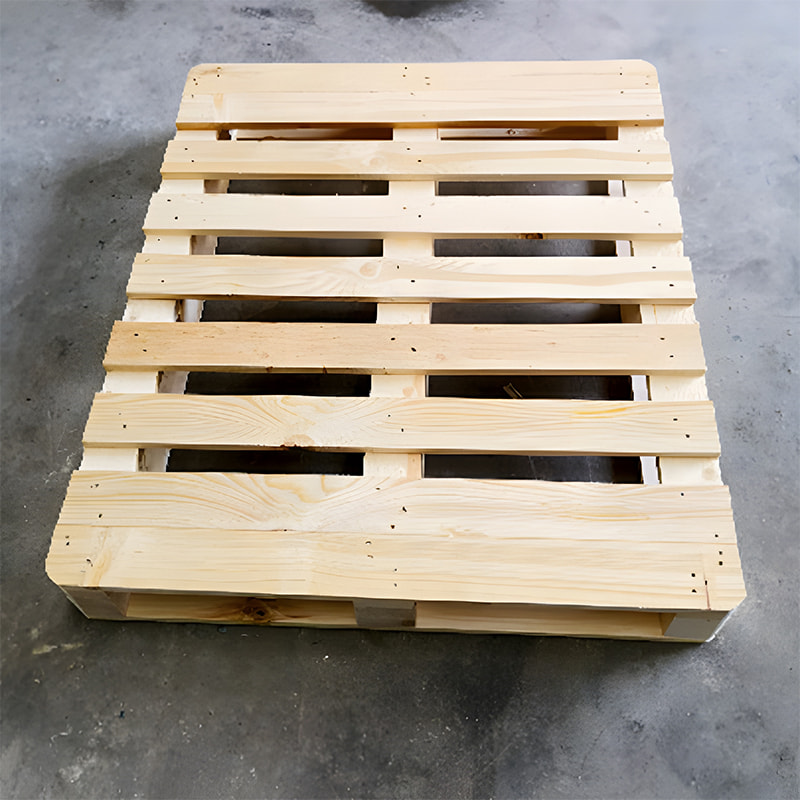
King Good Packaging Materials (NanTong)Co.,Ltd. is a Wholesale Plywood Box Manufacturer and Plywood Wooden Pallet Company, committed to becoming a national OEM manufacturer of wood products packaging, specializing in the design, development and production of wood products. It has processing factories of different scales in Taizhou, Jiangsu Province, Fengxian, Shanghai, Wuhan, Hubei Province, Dongguan, Guangdong Province, Kunshan, Jiangsu Province and Beilun, Ningbo. The company's headquarters is located in Yazhou Town, Haian City, Nantong City. Since the establishment of the factory, it has newly introduced wood processing machinery and supporting equipment, and has technicians with many years of rich experience. It strictly controls each production procedure and ensures quality and quantity with proficient skills. We have formed a complete chain covering production, after-sales service and on-site packaging. Our perfect service has won high praise from many enterprises.
Based on raw materials such as fir, pine, miscellaneous wood, plywood and particleboard, KingGood can customize different products according to development to avoid unnecessary losses during long-distance transportation. Main products: Packaging boards, multi-layer boards, (for export and domestic use) wooden pallets. Wooden crates, pallet boards, front boards, and side board wooden crates (plywood, pallets, and packaging boxes can be exported directly without inspection, saving you a lot of cumbersome procedures) can provide packaging for extra-large mechanical equipment. Our company adheres to the principle of keeping promises, achieving mutual benefit and win-win results, getting along harmoniously, doing things with dedication, and providing excellent service. Ensure the company's continuous and stable development.


Plywood Pallet
All Products
Plywood Box Manufacturer
Plywood pallets are the preferred storage and transportation tool for export-oriented companies. Their core advantage lies in their inherent compliance with the IPPC-ISPM 15 international quarantine standard. Made from multiple layers of wood veneer pressed at high temperatures, they require no additional fumigation or heat treatment, meeting the import requirements of most countries worldwide. This significantly simplifies customs clearance and avoids export delays caused by quarantine procedures. Plywood pallets offer durability and stability, resisting deformation and cracking. They maintain structural stability even under frequent forklift traffic and stacked cargo, reducing cargo loss during logistics. Their lightweight design reduces overall shipping weight and indirectly reduces logistics costs. Domestic production primarily uses fast-growing materials such as popular and pine, sourced from legally regulated sources, and uses environmentally friendly adhesives. These materials meet the stringent formaldehyde emission standards set by the EU and the US. Automated lamination lines and CNC cutting equipment ensure precise dimensional tolerances, making them compatible with leading global forklifts and racking systems. Their quality and consistency significantly surpass those of factories in Southeast Asia and South Asia.
Plywood pallets demonstrate strong competitiveness in terms of cost and customization. On the production side, domestic production capacity is concentrated (in core production areas such as Linyi, Shandong, Shuyang, Jiangsu, and Zhanjiang, Guangdong), allowing for large-scale production to spread costs. Furthermore, the entire chain (raw materials - plywood - pallets) is localized, resulting in ex-factory prices for pallets of comparable specifications significantly lower than those produced in Europe and North America. On the logistics side, core production areas are located near ports, allowing pallets and cargo to be shipped together in containers, shortening land transportation distances and eliminating the additional costs of separate pallet transport. Given the short lead times and diverse specifications of export orders, domestic companies' flexible production capabilities enable them to quickly respond to customized needs. Whether it's specialized dimensions or specialized features (such as anti-slip and reinforced designs), they can adapt to export cycles and efficiently meet the export packaging and transportation needs of diverse goods.
About KINGGOOD
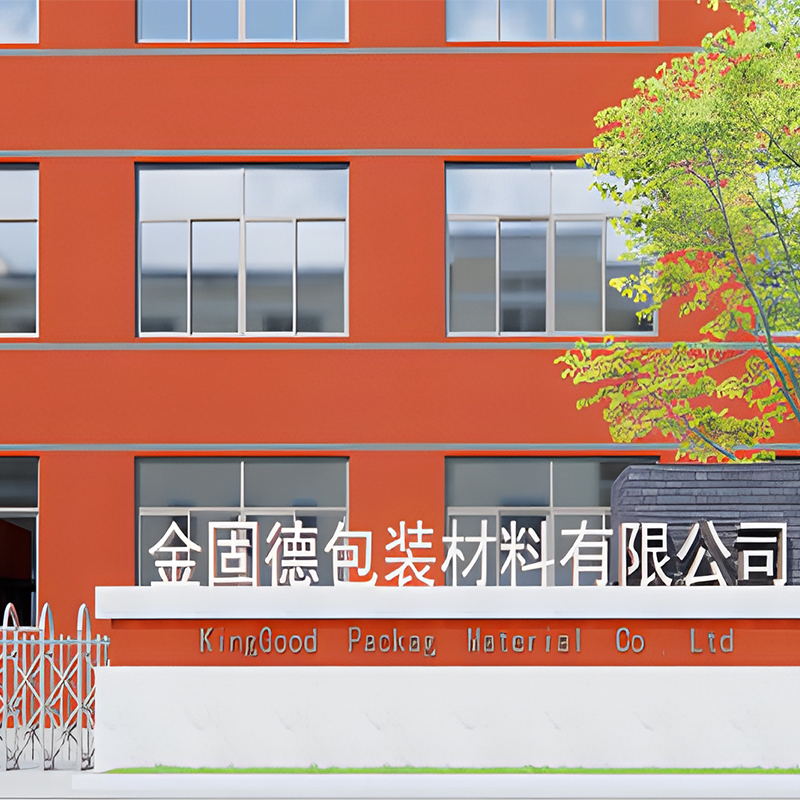
King Good Packaging Materials (NanTong)Co.,Ltd.
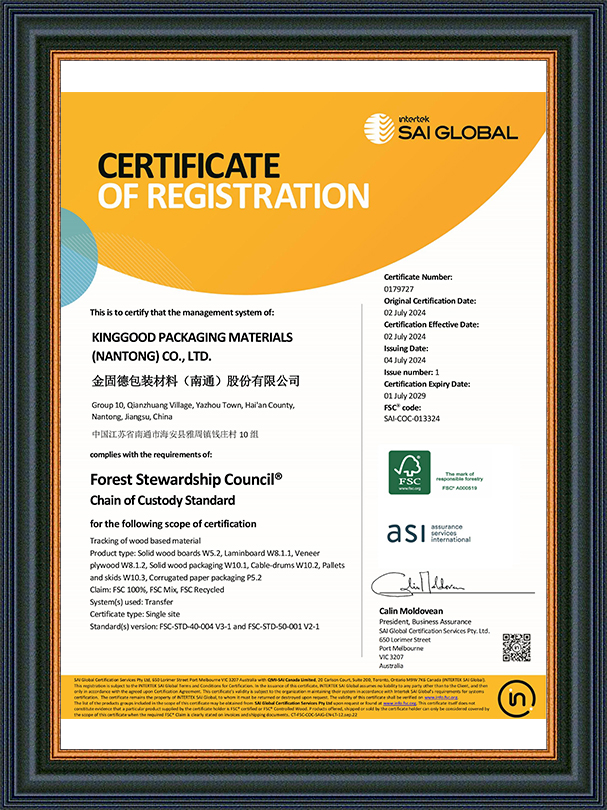
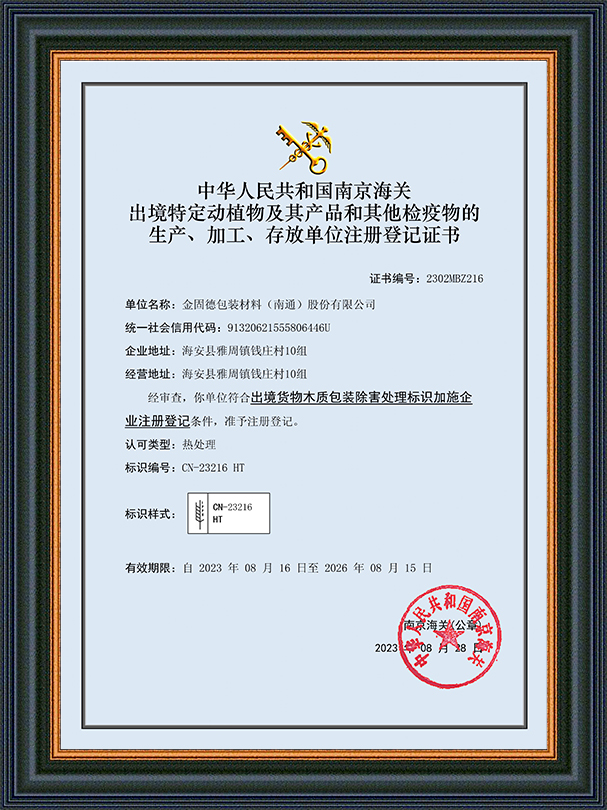
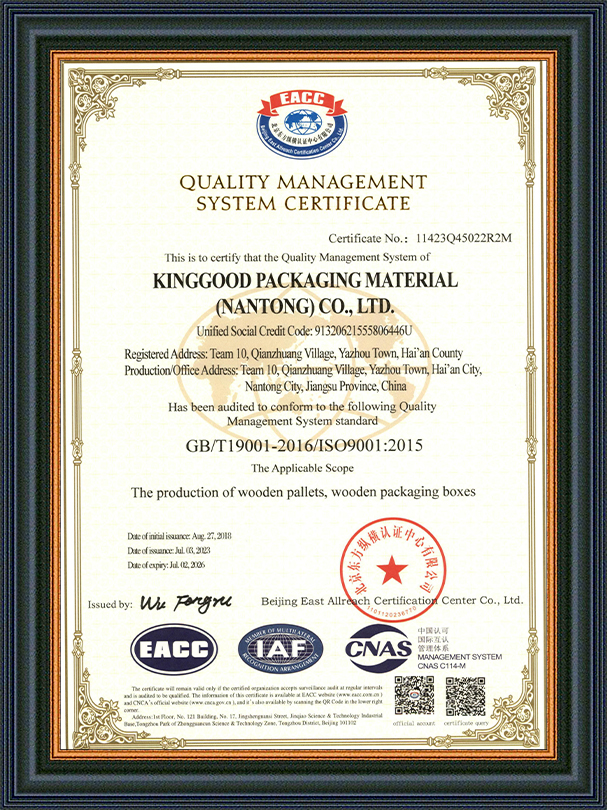
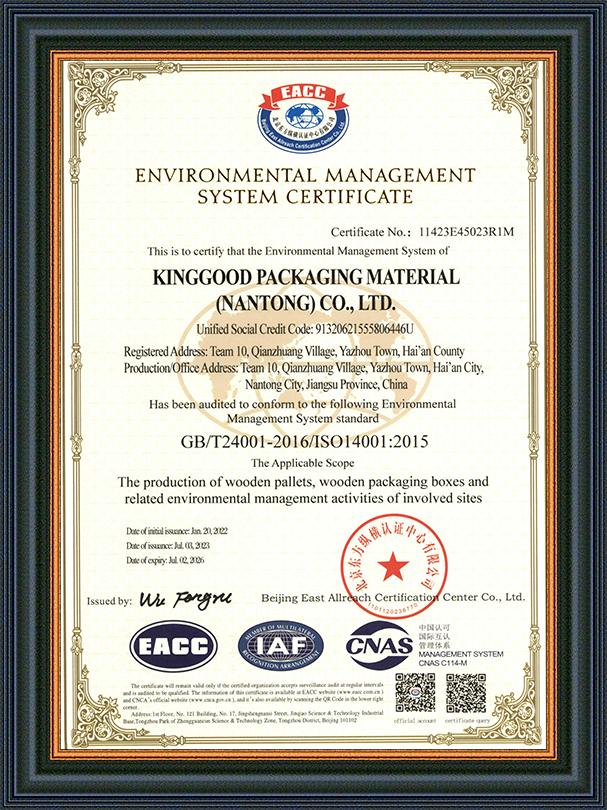
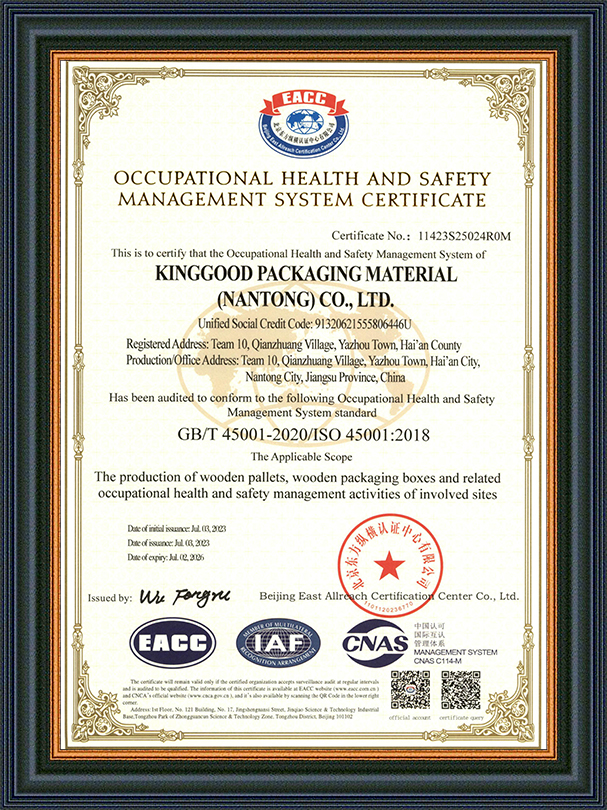
Certificate Of Honor

Latest Articles

Plywood Pallet Industry knowledge
Why Plywood Is a Preferred Material for Export Packaging
A plywood box is constructed from thin layers of wood veneer glued together with the grain of each layer running perpendicular to the next. This cross-grain lamination gives plywood a level of dimensional stability that solid sawn timber cannot match, making it a common choice for both shipping cartons and structural components like a plywood wooden pallet.
Because the layered structure distributes stress across multiple grain directions, plywood resists warping, splitting, and cracking far better than a single solid board of the same thickness, particularly under the humidity swings common in ocean freight containers.
How Plywood Boxes and Pallets Are Manufactured
Veneer Layering and Bonding
Thin veneer sheets, typically peeled from logs such as fir or pine, are stacked with alternating grain direction and bonded under heat and pressure using industrial-grade adhesive. The number of veneer layers, usually an odd number for balanced construction, determines the final panel's thickness and load-bearing capacity.
Panel Cutting and Assembly
Once cured, the plywood panels are cut to size for box walls, pallet decking, or crate components. For a plywood wooden pallet, the panels are fastened to stringers or blocks, and a standard plywood pallet deck can typically support several hundred kilograms of evenly distributed load without deflection.
Key Advantages of Plywood Boxes and Pallets
- Superior resistance to warping compared with solid wood under changing humidity
- Smooth, uniform surface that simplifies printing, labeling, and stacking
- Lighter weight than solid timber of comparable strength, reducing shipping costs
- Consistent quality across panels, unlike natural wood which varies by grain and knots
- Often exempt from certain solid-wood export treatment requirements
These qualities make plywood boxes and plywood pallets a practical option for exporters seeking predictable performance across large production batches.
Plywood Grades and Their Typical Packaging Uses
Not all plywood is produced to the same standard, and matching the correct grade to the application helps avoid over-specifying or under-protecting a shipment.
| Plywood Grade | Typical Thickness | Common Use |
|---|---|---|
| Light-Duty Plywood | 6-9 mm | Small plywood boxes and packaging boards |
| Medium-Duty Plywood | 12-15 mm | Standard shipping crates |
| Heavy-Duty Plywood | 18-21 mm | Plywood wooden pallet decking |
| Marine-Grade Plywood | 18 mm+ | High-humidity ocean freight |
Export Handling Advantages of Plywood Packaging
Because plywood is a manufactured wood product rather than raw solid timber, it generally falls outside the scope of the ISPM 15 phytosanitary treatment requirement that applies to solid wood packaging materials such as untreated pallets and crates. This distinction means plywood boxes and plywood pallets can often be exported directly without the heat treatment or fumigation inspection required for solid wood, simplifying customs clearance and reducing lead time.
Buyers should still confirm specific requirements with their destination country, as regulations can vary and some regions apply additional scrutiny to manufactured wood products as well.
Custom Plywood Boxes and Plywood Pallets
Headquartered in Yazhou Town, Hai'an, Nantong, King Good Packaging Materials (Nantong) Co., Ltd. operates processing facilities across Taizhou, Fengxian, Wuhan, Dongguan, Kunshan, and Beilun, using fir, pine, miscellaneous wood, plywood, and particleboard to manufacture plywood boxes, plywood wooden pallets, wooden crates, and packaging boards for both export and domestic use. Every production procedure is strictly controlled to ensure consistent quality, and export-grade plywood packaging can be shipped directly without additional inspection, simplifying export procedures for oversized machinery and equipment.
Frequently Asked Questions
Q1: Why choose a plywood box over a solid wood box?
Plywood resists warping and splitting better than solid wood due to its cross-layered grain structure, and it often qualifies for simplified export procedures since it is a manufactured wood product.
Q2: How much weight can a plywood wooden pallet support?
A standard plywood pallet deck built with adequate thickness and stringer support can typically hold several hundred kilograms of evenly distributed load without deflection.
Q3: Does a plywood pallet require ISPM 15 heat treatment?
Plywood is generally classified as a manufactured wood product and typically falls outside ISPM 15 requirements, though buyers should confirm specific rules with the destination country's customs authority.
Q4: What plywood thickness is best for shipping crates?
Medium-duty plywood in the 12-15 mm range is commonly used for standard shipping crates, while heavier 18-21 mm panels are better suited to pallet decking and higher load applications.


Got Questions? Contact Us Now
-
Copyright @ King Good Packaging Materials (NanTong)Co.,Ltd. All Rights Reserved. Wholesale Plywood Box Manufacturer Plywood Wooden Pallet Company

-
Contact info.
+86-0513-88669885 +86-13813749256 13813749256@163.com Qianzhuang Village, Yazhou Town, Hai'an City, Nantong City, Jiangsu Province, China - About KINGGOOD Packaging Series Industry Solutions OEM Service News Contact