

 English
 中文简体
中文简体 Español
King Good Packaging Materials (NanTong)Co.,Ltd. is a Custom Logistics transportation Heavy Duty Solid Wood Crates Supplier and Logistics transportation Heavy Duty Solid Wood Crates Factory, committed to becoming a national OEM manufacturer of wood products packaging, specializing in the design, development and production of wood products. It has processing factories of different scales in Taizhou, Jiangsu Province, Fengxian, Shanghai, Wuhan, Hubei Province, Dongguan, Guangdong Province, Kunshan, Jiangsu Province and Beilun, Ningbo. The company's headquarters is located in Yazhou Town, Haian City, Nantong City. Since the establishment of the factory, it has newly introduced wood processing machinery and supporting equipment, and has technicians with many years of rich experience. It strictly controls each production procedure and ensures quality and quantity with proficient skills. We have formed a complete chain covering production, after-sales service and on-site packaging. Our perfect service has won high praise from many enterprises.
Based on raw materials such as fir, pine, miscellaneous wood, plywood and particleboard, KingGood can customize different products according to development to avoid unnecessary losses during long-distance transportation. Main products: Packaging boards, multi-layer boards, (for export and domestic use) wooden pallets. Wooden crates, pallet boards, front boards, and side board wooden crates (plywood, pallets, and packaging boxes can be exported directly without inspection, saving you a lot of cumbersome procedures) can provide packaging for extra-large mechanical equipment. Our company adheres to the principle of keeping promises, achieving mutual benefit and win-win results, getting along harmoniously, doing things with dedication, and providing excellent service. Ensure the company's continuous and stable development.


Logistics transportation Heavy Duty Solid Wood Crates
Home / Packaging Series / Heavy Duty Wood Crates / Heavy Duty Solid Wood Crates / Logistics transportation Heavy Duty Solid Wood Crates
All Products
Logistics transportation Heavy Duty Solid Wood Crates Supplier
information to be updated
About KINGGOOD
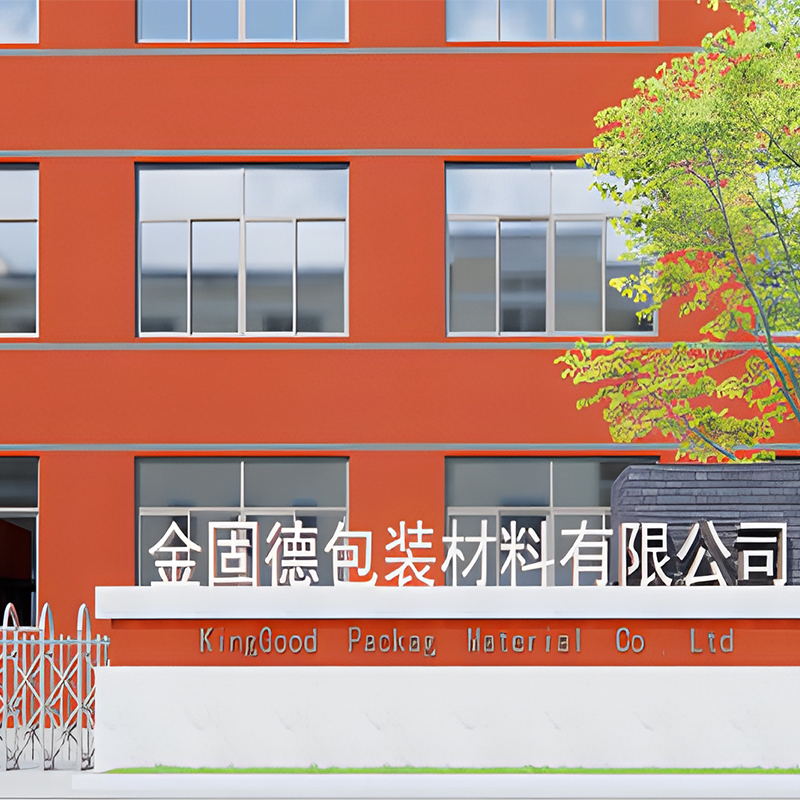
King Good Packaging Materials (NanTong)Co.,Ltd.
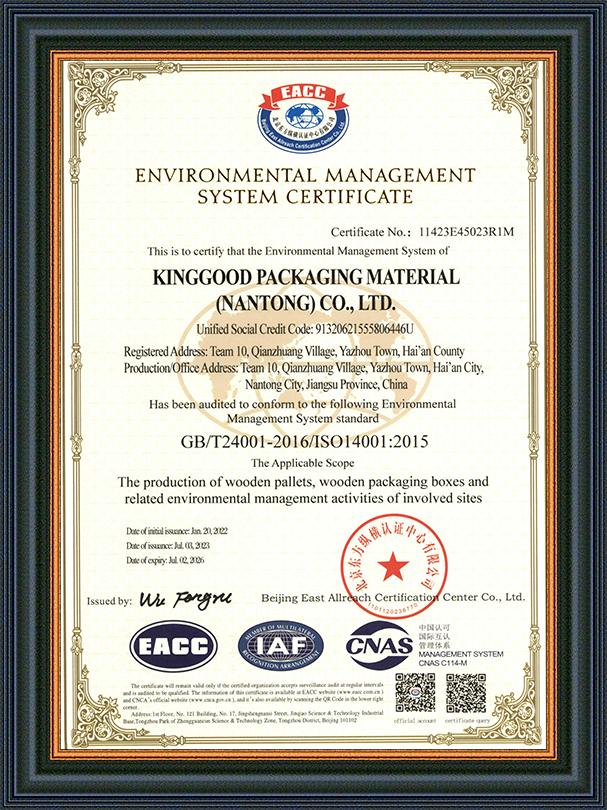
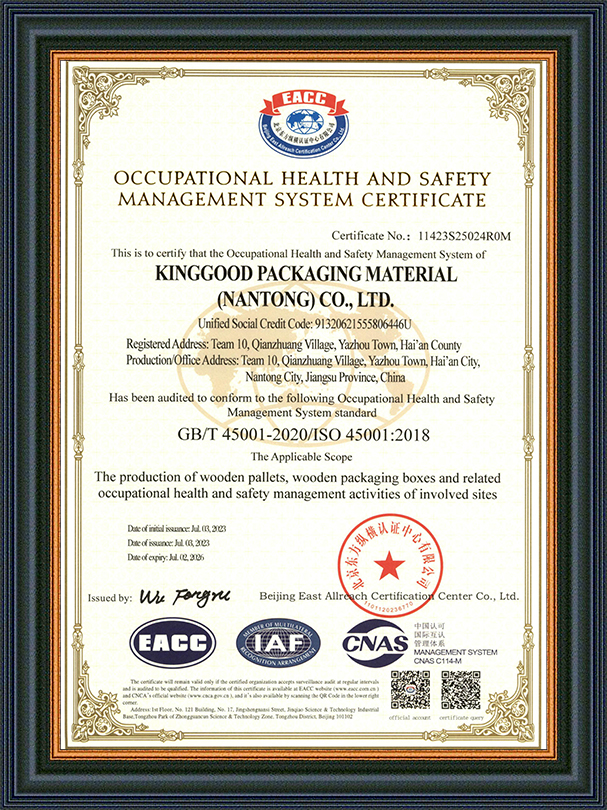
Certificate Of Honor
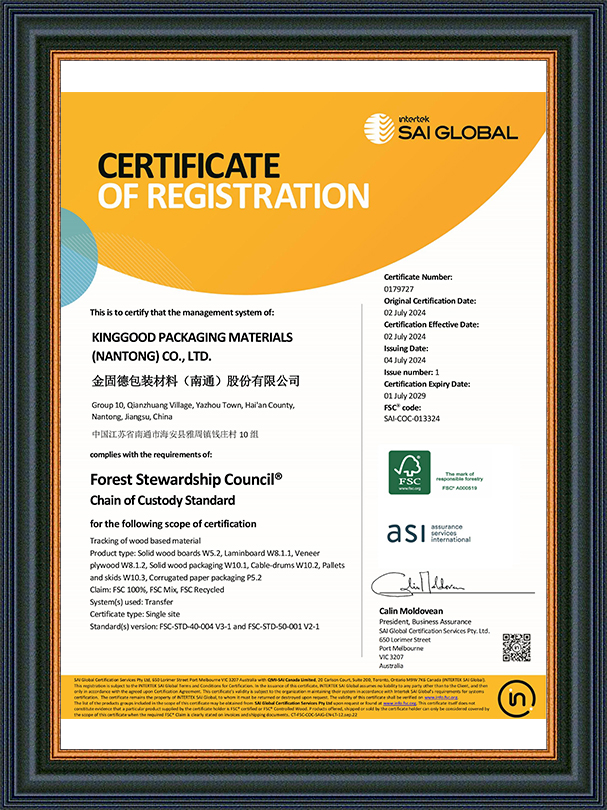
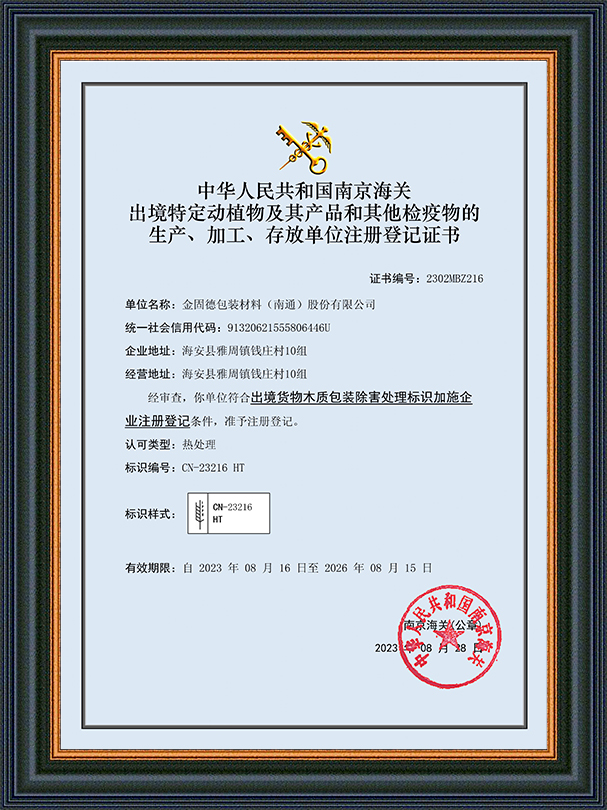
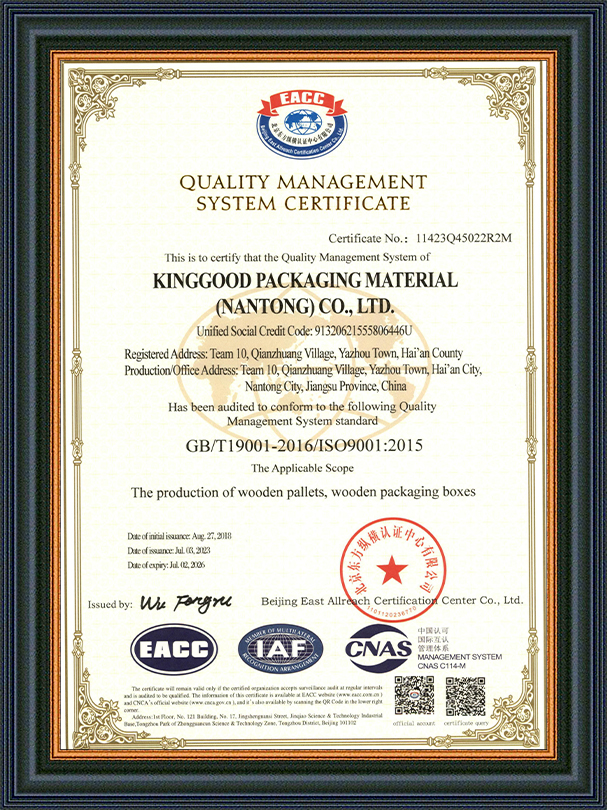

Latest Articles

Logistics transportation Heavy Duty Solid Wood Crates Industry knowledge
Why Logistics Operations Depend on Heavy Duty Solid Wood Crates
In modern logistics transportation, cargo often passes through multiple handling stages, including truck loading, port transfer, crane lifting, and vessel stowage, before reaching its final destination. Heavy duty solid wood crates are built specifically to survive this multi-stage journey, providing consistent structural protection where lighter packaging would fail under repeated impact, vibration, and stacking pressure across the full transport chain.
Because logistics routes frequently combine road, rail, and sea transport, crates used in this environment must withstand a wider range of stress conditions than packaging designed for a single mode of shipment, making solid wood construction a practical choice for door-to-door industrial freight.
How These Crates Perform Across a Multi-Modal Transport Chain
Vibration and Shock Absorption During Road and Rail Transit
During truck and rail movement, cargo experiences continuous low-frequency vibration combined with occasional shock loading from braking, cornering, or uneven track surfaces. Internal bracing bars and cushion boards fitted inside a heavy duty solid wood crate absorb this vibration, preventing components from loosening or shifting before the shipment even reaches the port.
Stacking and Crane-Handling Stability
At transfer points such as container yards and warehouses, crates are frequently stacked several units high and lifted by crane or forklift. Reinforced corner posts and load-spreading base skids allow a heavy duty crate to maintain its shape under this pressure, and well-engineered units can be stacked three to four crates high without deforming the lowest crate in the stack.
Key Advantages for Logistics-Focused Applications
- Consistent protection across combined road, rail, and sea transport legs
- Stackable design that improves warehouse and container space utilization
- Compatibility with standard forklift, crane, and rigging equipment at transfer points
- On-site repairability if a panel is damaged mid-route, avoiding shipment delays
- Cost-effective alternative to steel crating for long, multi-leg logistics routes
These characteristics make heavy duty solid wood crates especially suited to freight forwarders and logistics providers managing complex international routing for industrial cargo.
Matching Crate Specification to Transport Route Complexity
The number of transport legs and handling transfers a shipment goes through should directly influence how a crate is specified and built.
| Transport Route Type | Handling Transfers | Recommended Crate Feature |
|---|---|---|
| Single-Mode Road Freight | Low | Standard bracing and skid base |
| Road-to-Rail Transfer | Moderate | Reinforced corner posts |
| Multi-Modal Export Route | High | Full diagonal bracing, thick skids |
| Long-Term Storage and Transit | Variable | Custom engineered framing |
Export Compliance Along the Logistics Chain
Because heavy duty solid wood crates used in international logistics are built from raw sawn timber, they generally fall under the ISPM 15 phytosanitary standard, requiring heat treatment or fumigation before crossing borders. Crates that already carry the appropriate treatment mark can typically pass through customs at each transfer point without additional on-site inspection, reducing the risk of delays along a multi-leg route.
Logistics providers coordinating shipments across several countries should confirm that treatment certification is valid for every jurisdiction along the planned route, since requirements can vary slightly between regions.
Custom Heavy Duty Solid Wood Crates for Logistics Networks
Headquartered in Yazhou Town, Hai'an, Nantong, King Good Packaging Materials (Nantong) Co., Ltd. operates processing facilities across Taizhou, Fengxian, Wuhan, Dongguan, Kunshan, and Beilun, using fir, pine, miscellaneous wood, plywood, and particleboard to manufacture heavy duty solid wood crates built for demanding logistics transportation routes, alongside wooden pallets, cushion boards, front boards, and edge boards. Every production procedure is strictly controlled to ensure consistent quality, and export-grade crates can be shipped directly without additional inspection, simplifying export procedures for businesses coordinating multi-leg shipments of oversized machinery and equipment.
Frequently Asked Questions
Q1: Why are solid wood crates preferred for multi-modal logistics routes?
They provide consistent structural protection across combined road, rail, and sea transport legs, where cargo faces varied vibration, shock, and stacking conditions.
Q2: How many crates can typically be stacked during transport and storage?
Well-engineered heavy duty solid wood crates can often be stacked three to four units high without deforming the lowest crate, depending on frame and skid design.
Q3: What happens if a crate is damaged mid-route?
Solid wood panels and framing members can generally be repaired on-site using basic carpentry tools, allowing the shipment to continue without major delays.
Q4: Do these crates need export treatment for every country on a multi-leg route?
Yes, since they are made from raw solid wood, ISPM 15 heat treatment or fumigation certification should be confirmed as valid for each jurisdiction along the planned transport route.


Got Questions? Contact Us Now
-
-
Contact info.
+86-0513-88669885 +86-13813749256 13813749256@163.com Qianzhuang Village, Yazhou Town, Hai'an City, Nantong City, Jiangsu Province, China - About KINGGOOD Packaging Series Industry Solutions OEM Service News Contact
