

 English
 中文简体
中文简体 Español
King Good Packaging Materials (NanTong)Co.,Ltd. is a Wholesale Kraft Cardboard Boxes Manufacturer and Kraft Cardboard Boxes Company, committed to becoming a national OEM manufacturer of wood products packaging, specializing in the design, development and production of wood products. It has processing factories of different scales in Taizhou, Jiangsu Province, Fengxian, Shanghai, Wuhan, Hubei Province, Dongguan, Guangdong Province, Kunshan, Jiangsu Province and Beilun, Ningbo. The company's headquarters is located in Yazhou Town, Haian City, Nantong City. Since the establishment of the factory, it has newly introduced wood processing machinery and supporting equipment, and has technicians with many years of rich experience. It strictly controls each production procedure and ensures quality and quantity with proficient skills. We have formed a complete chain covering production, after-sales service and on-site packaging. Our perfect service has won high praise from many enterprises.
Based on raw materials such as fir, pine, miscellaneous wood, plywood and particleboard, KingGood can customize different products according to development to avoid unnecessary losses during long-distance transportation. Main products: Packaging boards, multi-layer boards, (for export and domestic use) wooden pallets. Wooden crates, pallet boards, front boards, and side board wooden crates (plywood, pallets, and packaging boxes can be exported directly without inspection, saving you a lot of cumbersome procedures) can provide packaging for extra-large mechanical equipment. Our company adheres to the principle of keeping promises, achieving mutual benefit and win-win results, getting along harmoniously, doing things with dedication, and providing excellent service. Ensure the company's continuous and stable development.


Kraft Cardboard Boxes
All Products
Kraft Cardboard Boxes Manufacturer
information to be updated
About KINGGOOD
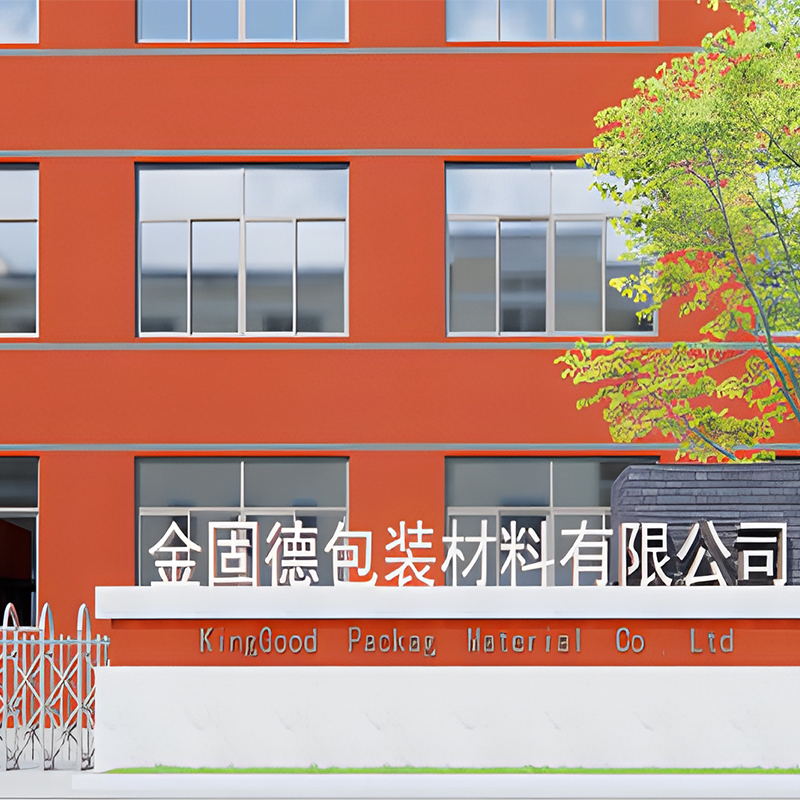
King Good Packaging Materials (NanTong)Co.,Ltd.
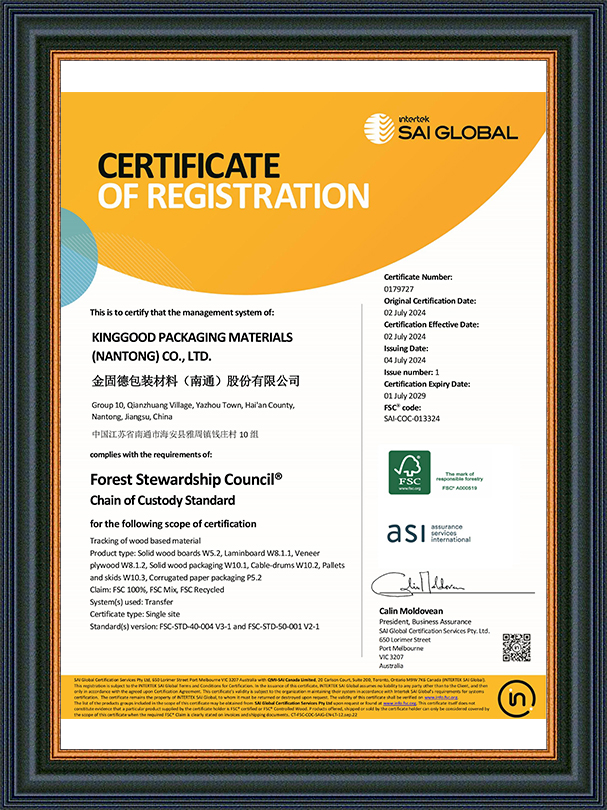
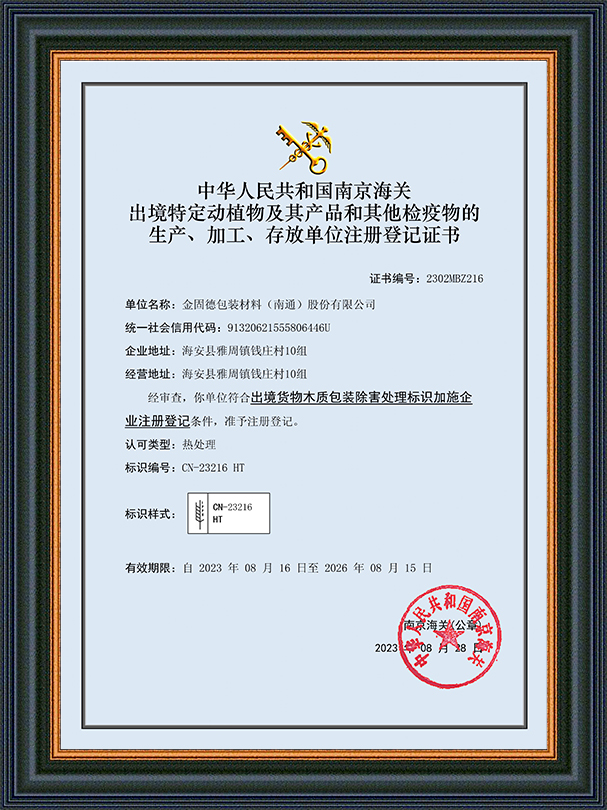
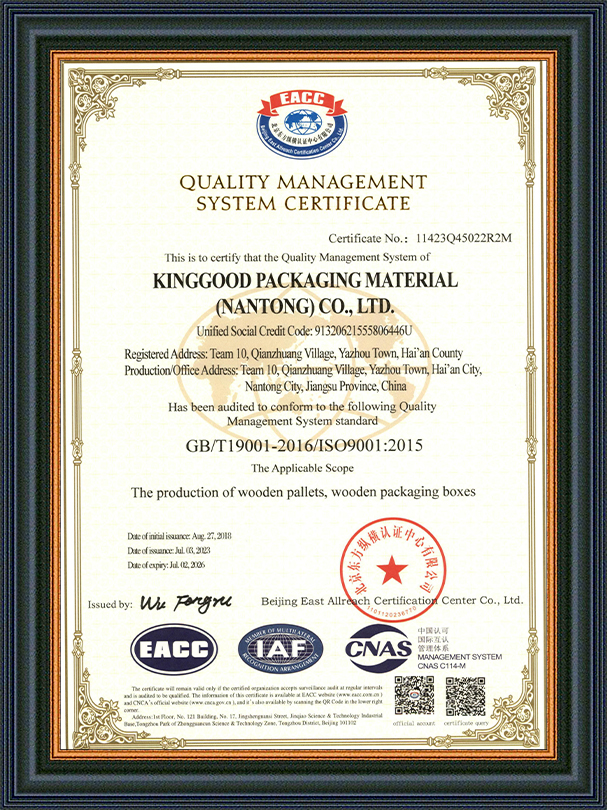
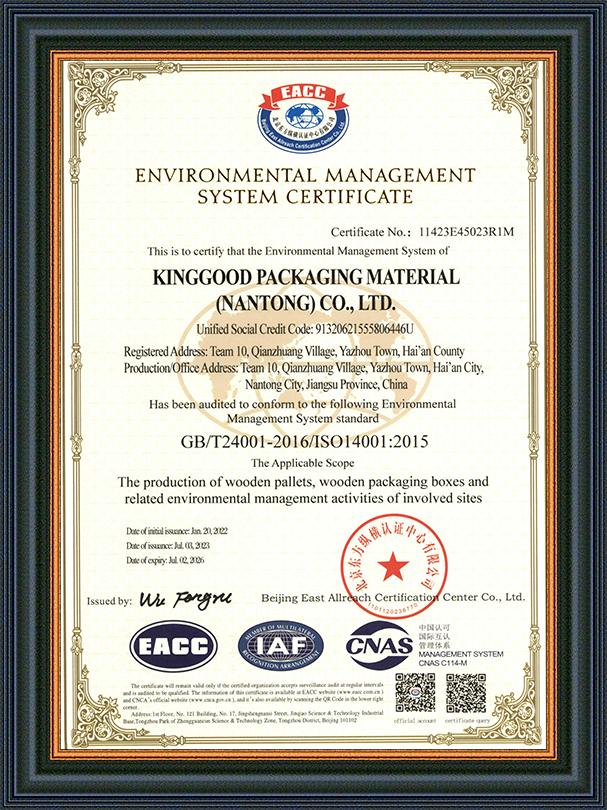
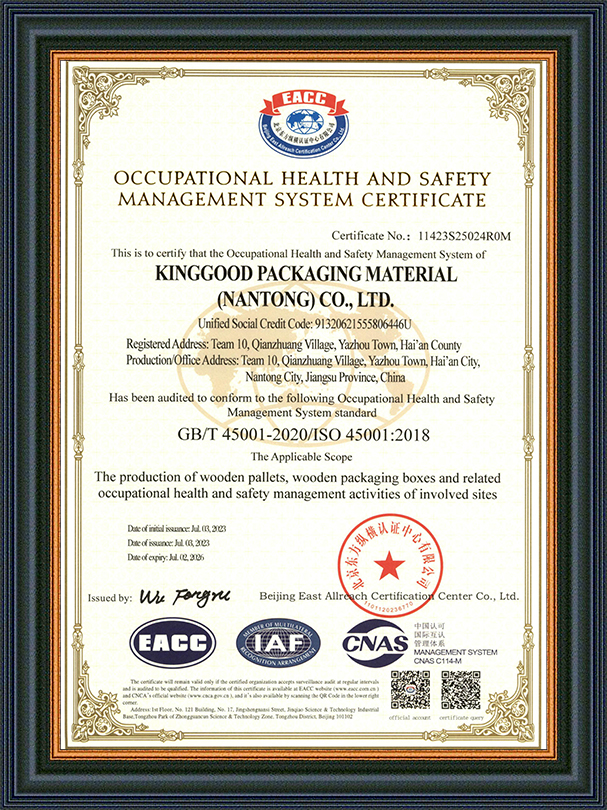
Certificate Of Honor

Latest Articles

Kraft Cardboard Boxes Industry knowledge
Why Kraft Cardboard Boxes Remain a Practical Packaging Choice
Kraft cardboard boxes continue to be one of the most widely used packaging formats for cartons, components, and light-to-medium industrial goods, thanks to a combination of strength, low cost, and full recyclability. Made from kraft paperboard produced through a pulping process that preserves long, strong wood fibers, these boxes offer noticeably better tear resistance and stacking strength than boxes made from shorter-fiber recycled paperboard alone.
The main advantages of kraft cardboard boxes for shipping and storage include:
- Strong tear and puncture resistance, thanks to the long natural fibers retained during the kraft pulping process.
- Reliable stacking strength when boxes are properly sized and loaded, reducing the risk of crushing in warehouse storage.
- Lightweight construction that keeps freight costs down compared with wooden or metal alternatives for suitable cargo.
- Fully recyclable material that supports lower-waste packaging programs across the supply chain.
How Kraft Cardboard Boxes Are Built for Strength
Corrugated Layer Structure
Most kraft cardboard boxes use a corrugated construction, with a fluted paper layer sandwiched between two flat kraft liner sheets. This fluted middle layer acts like a series of small arches, allowing the board to resist compression from above while remaining lightweight, which is why corrugated kraft board performs far better under stacking than flat single-layer cardboard.
Flute Profile Selection
Different flute profiles offer different balances of cushioning and rigidity. Larger flutes provide stronger cushioning against shock, while smaller, more compact flutes offer better printing surfaces and higher stacking strength within a thinner board, making flute selection an important design decision based on cargo weight and handling conditions.
Box Style and Joint Design
Beyond the board itself, the way panels are scored, folded, and joined at the corners affects overall box strength. Reinforced corner joints and properly aligned score lines prevent premature buckling under load, particularly important when boxes are stacked several layers high on a pallet.
Matching Kraft Board Strength to Cargo Weight
Selecting the correct board strength avoids both under-protection and unnecessary material cost. The table below outlines general guidance for matching flute type to typical cargo needs.
| Flute Type | Characteristic | Typical Use |
|---|---|---|
| A-flute | Thickest, strongest cushioning | Fragile or heavy items needing shock absorption |
| B-flute | Thinner, good crush resistance | Canned goods, retail packaging |
| C-flute | Balanced strength and stacking performance | General shipping cartons |
For cargo that exceeds the practical weight or rigidity limits of kraft cardboard, pairing cartons with a wooden pallet or an outer wooden crate adds the structural support needed for safe stacking and long-distance freight handling.
Frequently Asked Questions About Kraft Cardboard Boxes
Q1: What makes kraft paperboard stronger than standard cardboard?
Kraft paperboard is produced through a pulping process that preserves longer wood fibers, giving it noticeably better tear resistance and structural strength than board made from shorter, more heavily processed fibers.
Q2: How do I choose the right flute type for my product?
Heavier or more fragile items generally benefit from thicker A-flute board for shock absorption, while lighter retail goods often do well with the more compact B-flute or general-purpose C-flute profiles.
Q3: Can kraft cardboard boxes be stacked safely in a warehouse?
Yes, when the flute profile and box design match the load, but stacking height should always be planned around the weakest point in the stack, usually the bottom layer of boxes.
Q4: When should cargo move from cardboard to a wooden crate or pallet?
Once cargo weight or fragility exceeds what corrugated board can reliably support, adding a wooden pallet base or outer crate provides the additional rigidity needed for safe long-distance transport.
Complete Packaging Support Beyond Kraft Cardboard Boxes
Headquartered in Yazhou Town, Hai'an, Nantong, King Good Packaging Materials (Nantong) Co., Ltd. operates processing facilities across multiple regions, including Taizhou, Fengxian in Shanghai, Wuhan, Dongguan, Kunshan, and Beilun in Ningbo, offering kraft cardboard boxes alongside wooden pallets, wooden crates, and packaging boards for cargo that needs added structural support. With a complete chain covering production, after-sales service, and on-site packaging, the company helps customers combine cardboard and wood-based solutions to reduce potential losses during long-distance transportation.


Got Questions? Contact Us Now
-
Copyright @ King Good Packaging Materials (NanTong)Co.,Ltd. All Rights Reserved. Wholesale Kraft Cardboard Boxes Manufacturer Kraft Cardboard Boxes Company

-
Contact info.
+86-0513-88669885 +86-13813749256 13813749256@163.com Qianzhuang Village, Yazhou Town, Hai'an City, Nantong City, Jiangsu Province, China - About KINGGOOD Packaging Series Industry Solutions OEM Service News Contact