

 English
 中文简体
中文简体 Español
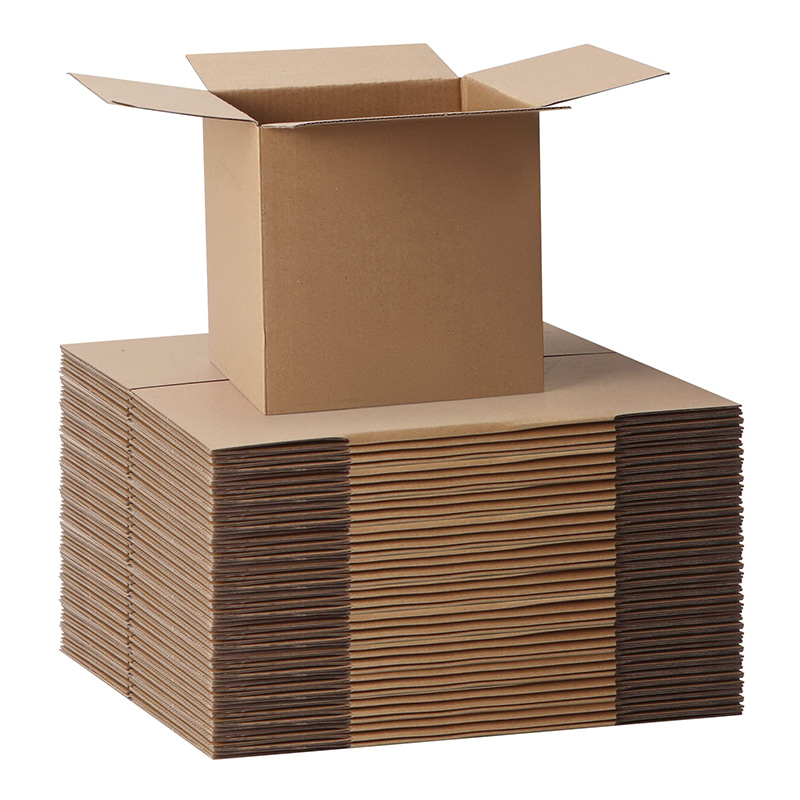

King Good Packaging Materials (NanTong)Co.,Ltd. is a Custom Cardboard Boxes Supplier and Cardboard Boxes Factory, committed to becoming a national OEM manufacturer of wood products packaging, specializing in the design, development and production of wood products. It has processing factories of different scales in Taizhou, Jiangsu Province, Fengxian, Shanghai, Wuhan, Hubei Province, Dongguan, Guangdong Province, Kunshan, Jiangsu Province and Beilun, Ningbo. The company's headquarters is located in Yazhou Town, Haian City, Nantong City. Since the establishment of the factory, it has newly introduced wood processing machinery and supporting equipment, and has technicians with many years of rich experience. It strictly controls each production procedure and ensures quality and quantity with proficient skills. We have formed a complete chain covering production, after-sales service and on-site packaging. Our perfect service has won high praise from many enterprises.
Based on raw materials such as fir, pine, miscellaneous wood, plywood and particleboard, KingGood can customize different products according to development to avoid unnecessary losses during long-distance transportation. Main products: Packaging boards, multi-layer boards, (for export and domestic use) wooden pallets. Wooden crates, pallet boards, front boards, and side board wooden crates (plywood, pallets, and packaging boxes can be exported directly without inspection, saving you a lot of cumbersome procedures) can provide packaging for extra-large mechanical equipment. Our company adheres to the principle of keeping promises, achieving mutual benefit and win-win results, getting along harmoniously, doing things with dedication, and providing excellent service. Ensure the company's continuous and stable development.


Cardboard Boxes
All Products
Cardboard Boxes Supplier
Cardboard Boxes, as lightweight paper packaging containers, can be divided into mainstream categories such as corrugated boxes, honeycomb boxes, and kraft boxes according to their structure and protective performance: Corrugated boxes rely on the corrugated sandwich structure to achieve cushioning protection, and are suitable for small and medium-sized light industrial products such as electronic components, hardware accessories, and small mechanical parts; honeycomb boxes rely on the high-strength support characteristics of the honeycomb core and are suitable for heavier industrial products such as precision instruments and medium-sized equipment accessories that need to be protected from extrusion and impact; kraft boxes are made of high-strength kraft paper, which has both toughness and wear resistance. They are suitable for small tools, parts samples, electronic consumables and other light industrial products with basic requirements for appearance, and can also be used as inner packaging cushioning or outer protection supplement.
From a production and application perspective, cardboard boxes are primarily made from recycled waste paper, and with automated die-cutting and forming processes, production efficiency is high and raw material prices are stable, effectively controlling procurement costs. Empty boxes are fully foldable and can be handled manually, making them ideal for e-commerce's "small-batch, multi-batch" shipping needs, reducing warehousing and handling labor costs. Their lightweight design also directly saves 20%-30% on air freight costs. Regarding compliance and service, cardboard boxes contain no wood components, eliminating the fumigation and heat treatment costs associated with solid wooden boxes and the chemical testing required for plastic boxes. They only need to meet basic packaging material hygiene requirements in the importing country, resulting in virtually no additional compliance costs. Our professional team also provides customized services based on the size, shape, and moisture and anti-static protection requirements of industrial products, including material selection and structural design. These services include packaging load-bearing testing, design evaluation, and after-sales service recommendations, ensuring the safety of industrial products during storage, transit, and short-distance transportation, while reducing overall packaging and transportation costs.
About KINGGOOD
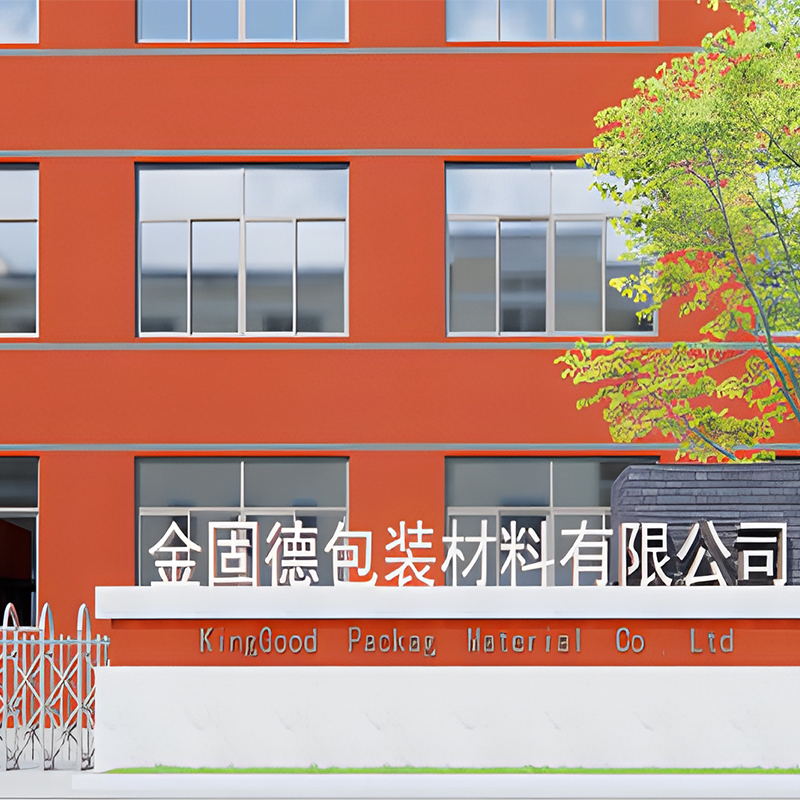
King Good Packaging Materials (NanTong)Co.,Ltd.
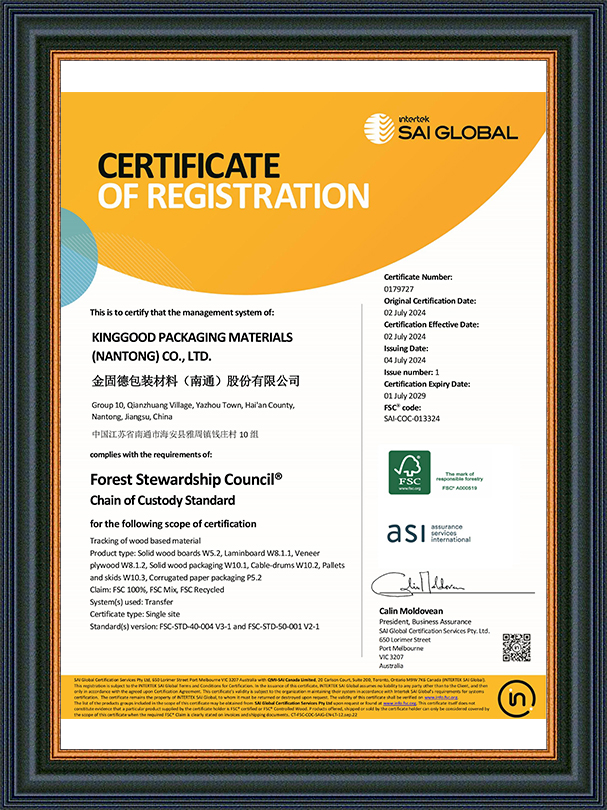
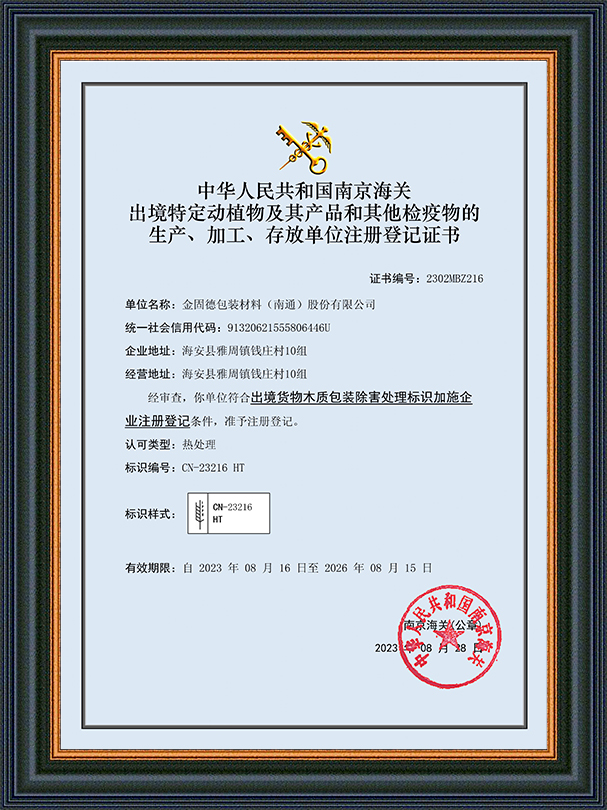
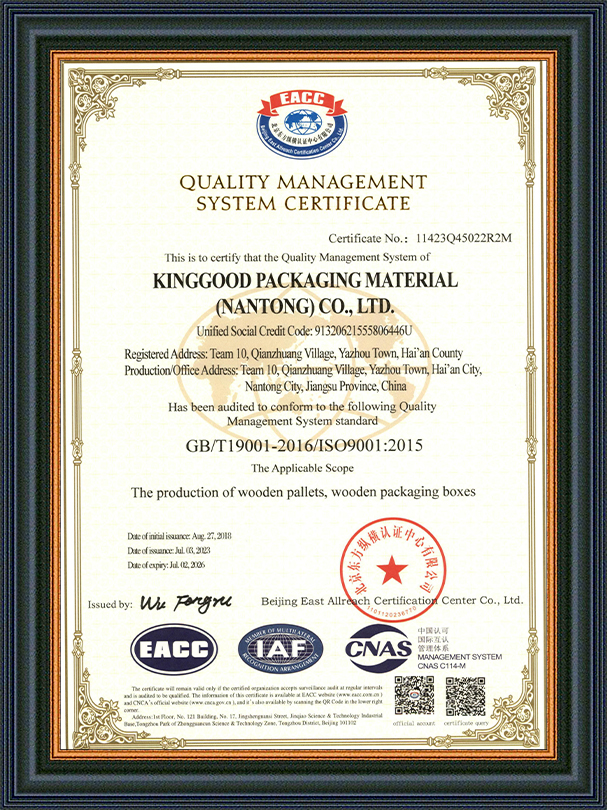
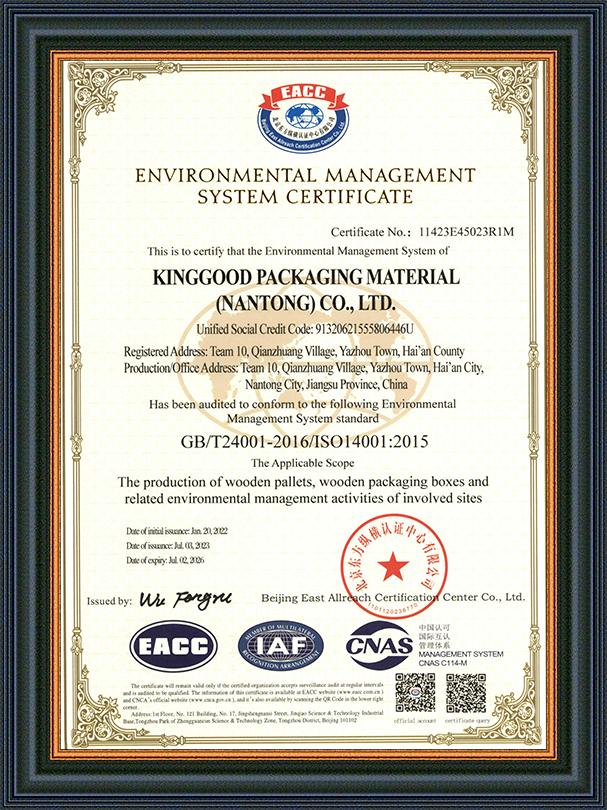
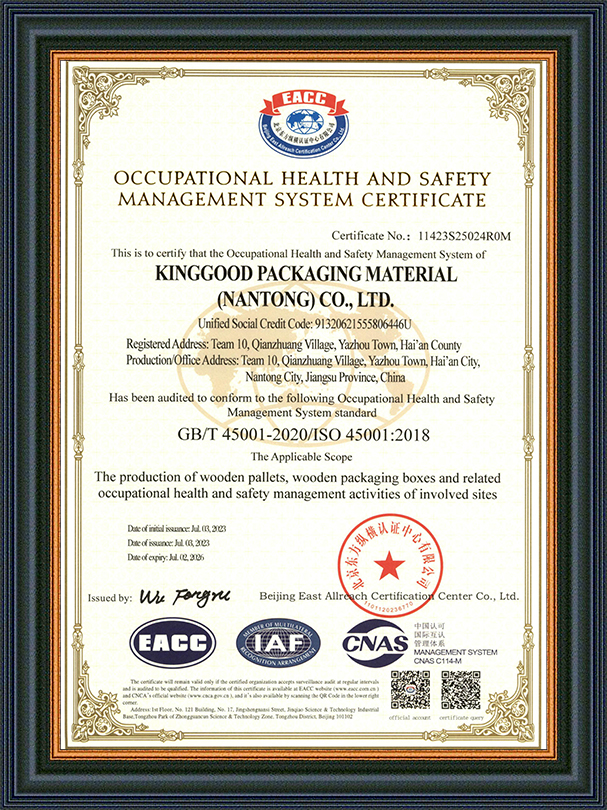
Certificate Of Honor

Latest Articles

Cardboard Boxes Industry knowledge
Understanding Cardboard Boxes and Their Structural Advantages
Cardboard boxes remain one of the most widely used packaging formats across manufacturing, logistics, and e-commerce industries. Built from layers of paperboard or corrugated fiberboard, these boxes offer a balance of strength, light weight, and cost efficiency that few alternative materials can match. Their fluted inner layer creates a honeycomb-like structure that resists crushing while keeping overall material usage low.
Because cardboard is derived from renewable wood fibers, it is also fully recyclable, making it a preferred choice for companies aiming to reduce their environmental footprint without sacrificing protective performance during transportation and storage.
How Cardboard Boxes Are Manufactured
The Corrugation Process
Cardboard boxes are produced by passing paperboard sheets through heated rollers that shape one layer into a wavy flute pattern. This fluted medium is then glued between one or two flat liner sheets, forming single-wall, double-wall, or triple-wall board depending on the required load capacity.
Cutting, Printing, and Assembly
Once the board is formed, it is die-cut into box blueprints, printed with branding or handling instructions, and folded into the final carton shape. Automated stitching or gluing secures the joints, allowing production lines to output thousands of finished boxes per hour.
Key Benefits of Choosing Cardboard Boxes for Packaging
- Lightweight construction that lowers shipping costs compared to wood or plastic containers
- Customizable dimensions and printing to fit specific products and branding needs
- High recyclability, with most corrugated board recovered and reused in production cycles
- Stackable design that maximizes warehouse and container space utilization
- Cost-effective production compared to rigid crates or metal packaging
For companies shipping goods over long distances, combining cardboard boxes with wooden pallets or cushion boards further reduces the risk of damage from vibration and stacking pressure.
Comparing Cardboard Box Types by Flute and Wall Structure
Selecting the right cardboard box depends on the flute profile and wall count, both of which determine cushioning ability and stacking strength.
| Flute Type | Thickness | Best Use Case |
|---|---|---|
| A-Flute | ~4.7mm | Fragile items needing high cushioning |
| B-Flute | ~2.5mm | Retail packaging and printing surfaces |
| C-Flute | ~3.6mm | General shipping cartons |
| Double-Wall | ~7mm+ | Heavy or export-grade shipments |
Integrating Cardboard Boxes into a Complete Packaging System
Cardboard boxes rarely function alone in industrial shipping; they are often paired with wooden components for added protection. King Good Packaging Materials (Nantong) Co., Ltd., headquartered in Yazhou Town, Hai'an, Nantong, supports this integrated approach by offering wooden pallets, cases, cushion boards, and edge boards alongside carton solutions, helping reduce potential losses during long-distance transportation.
Using fir, pine, solid wood, plywood, and particleboard as raw materials, the company develops customized packaging solutions and maintains export-grade wooden cases that can be shipped directly without additional inspection, simplifying export procedures for enterprises handling oversized machinery and equipment.
Frequently Asked Questions
Q1: How much weight can a standard cardboard box hold?
A single-wall C-flute box typically supports up to 25–30 kg, while double-wall boxes can carry over 40 kg depending on stacking configuration.
Q2: Are cardboard boxes suitable for humid environments?
Standard cardboard absorbs moisture easily, so wax-coated or laminated variants are recommended for humid storage or refrigerated transport.
Q3: Can cardboard boxes be reused multiple times?
Yes, provided the flutes remain uncrushed and the box has not been exposed to excessive moisture, it can typically be reused two to three times before structural strength declines.


Got Questions? Contact Us Now
-
Copyright @ King Good Packaging Materials (NanTong)Co.,Ltd. All Rights Reserved. Custom Cardboard Boxes Supplier Cardboard Boxes Factory

-
Contact info.
+86-0513-88669885 +86-13813749256 13813749256@163.com Qianzhuang Village, Yazhou Town, Hai'an City, Nantong City, Jiangsu Province, China - About KINGGOOD Packaging Series Industry Solutions OEM Service News Contact