

 English
 中文简体
中文简体 Español
King Good Packaging Materials (NanTong)Co.,Ltd. is a Custom Kraft Cardboard Boxes Manufacturer and Kraft Cardboard Boxes Factory, committed to becoming a national OEM manufacturer of wood products packaging, specializing in the design, development and production of wood products. It has processing factories of different scales in Taizhou, Jiangsu Province, Fengxian, Shanghai, Wuhan, Hubei Province, Dongguan, Guangdong Province, Kunshan, Jiangsu Province and Beilun, Ningbo. The company's headquarters is located in Yazhou Town, Haian City, Nantong City. Since the establishment of the factory, it has newly introduced wood processing machinery and supporting equipment, and has technicians with many years of rich experience. It strictly controls each production procedure and ensures quality and quantity with proficient skills. We have formed a complete chain covering production, after-sales service and on-site packaging. Our perfect service has won high praise from many enterprises.
Based on raw materials such as fir, pine, miscellaneous wood, plywood and particleboard, KingGood can customize different products according to development to avoid unnecessary losses during long-distance transportation. Main products: Packaging boards, multi-layer boards, (for export and domestic use) wooden pallets. Wooden crates, pallet boards, front boards, and side board wooden crates (plywood, pallets, and packaging boxes can be exported directly without inspection, saving you a lot of cumbersome procedures) can provide packaging for extra-large mechanical equipment. Our company adheres to the principle of keeping promises, achieving mutual benefit and win-win results, getting along harmoniously, doing things with dedication, and providing excellent service. Ensure the company's continuous and stable development.


Cardboard Boxes
All Products
Kraft Cardboard Boxes
Kraft cardboard boxes are made from high-strength kraft cardboard through a die-cutting, folding, and gluing process. Their core advantages of being environmentally friendly, recyclable, lightweight, and easy to handle, along with manageable costs, have made them a popular choice for e-commerce logistics, light industrial product packaging, and everyday consumer goods storage. They are particularly well-suited for moderately heavy items requiring lightweight packaging, such as clothing and apparel, food gift boxes, daily necessities, and small electronic accessories. Their material properties directly address the core needs of packaging scenarios: high-quality kraft cardboard offers good tear and puncture resistance, withstanding minor friction and compression during handling, protecting items from damage. Kraft's natural yellow-brown color creates a simple, textured look without the need for additional dyeing, aligning with modern eco-friendly packaging aesthetics while reducing the environmental impact of chemical dyes. They are recyclable upon disposal, perfectly aligning with the principles of green logistics and sustainable development.
Kraft cardboard boxes offer good flexibility in terms of functional adaptability and customization. They can be flexibly adjusted in length, width, and height to suit the specific dimensions of the items, and are available in single-, triple-, and five-layer designs. Single-layer boxes are ideal for packaging lightweight items (such as accessories and stationery), while five-layer boxes can handle heavier items (such as small appliances and books). For special needs, they can be treated with moisture-proofing treatments (e.g., coating with PE film or applying moisture-proofing agents) to accommodate moisture-resistant items such as food and pharmaceuticals. They can also be printed with brand logos, product information, and shockproof warnings, combining packaging protection with brand communication. Furthermore, their foldable structure allows them to be stored flat when not in use, significantly saving storage space and reducing transportation and storage costs. Unpacking is also streamlined, requiring no specialized tools, enhancing the consumer experience. Kraft cardboard boxes are fully adaptable to diverse scenarios, including e-commerce shipping, retail distribution, and internal business operations.
About KINGGOOD
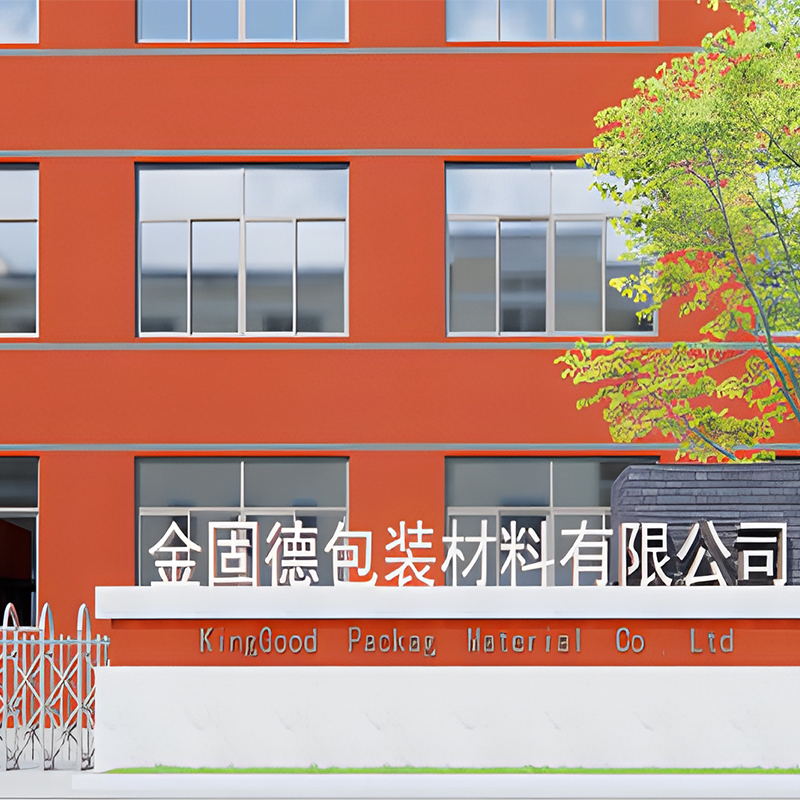
King Good Packaging Materials (NanTong)Co.,Ltd.
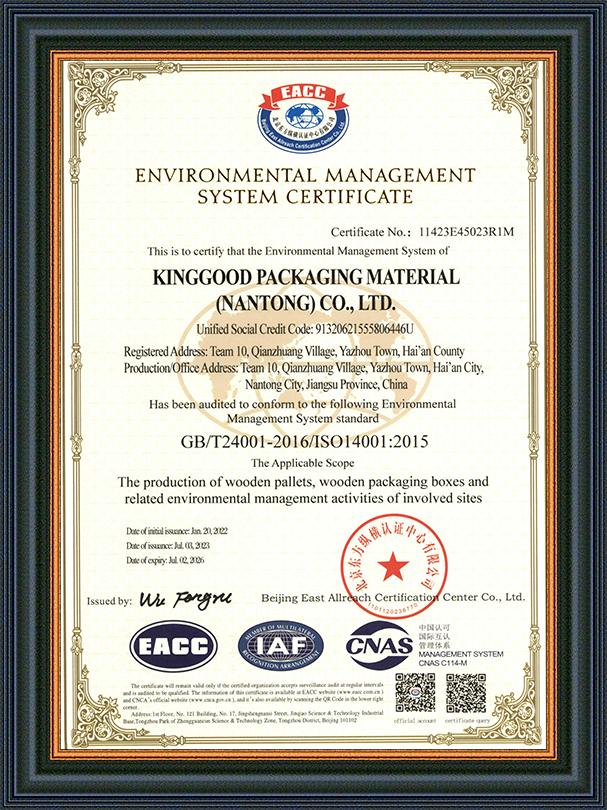
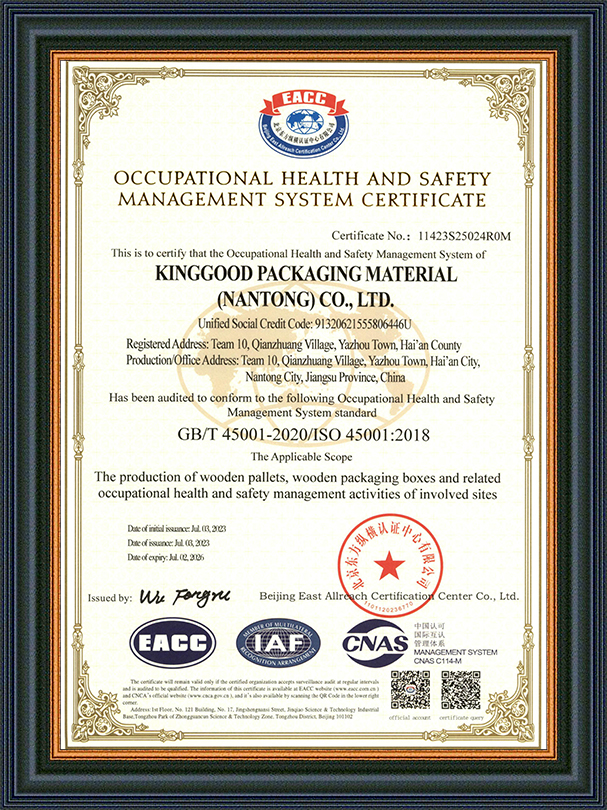
Certificate Of Honor
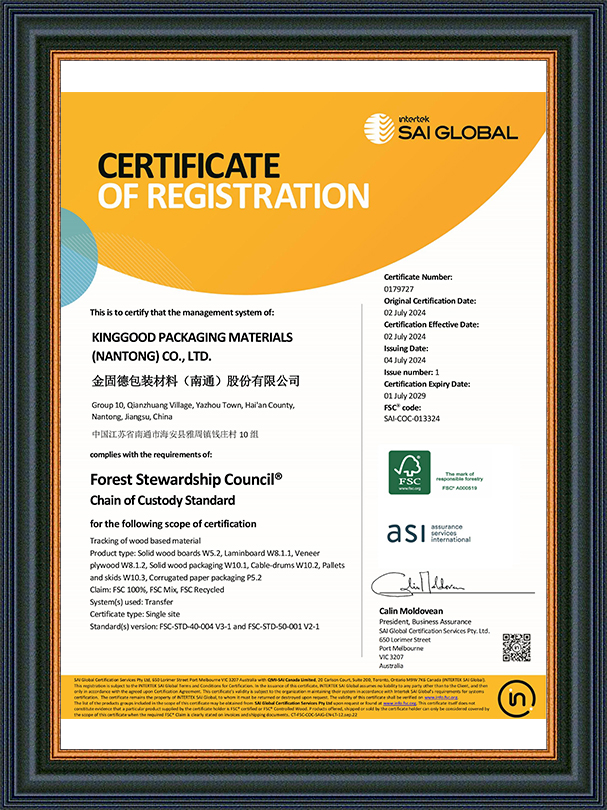
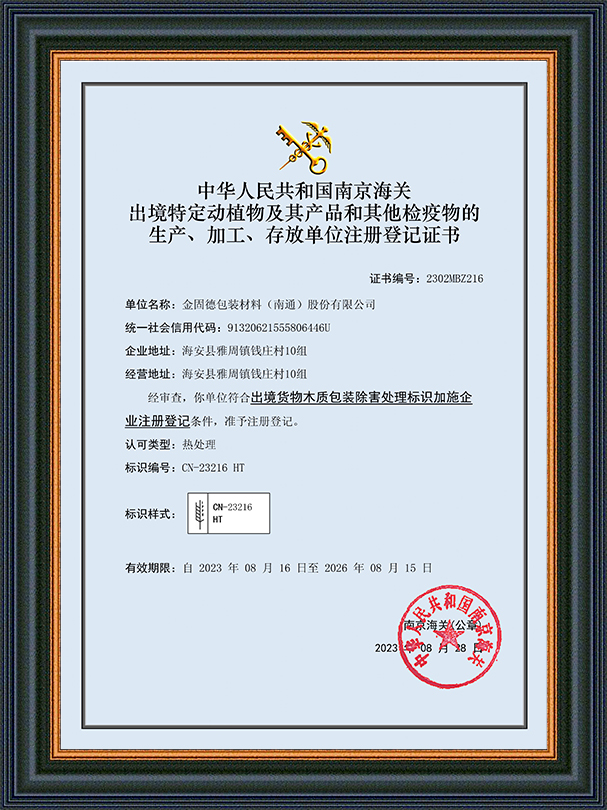
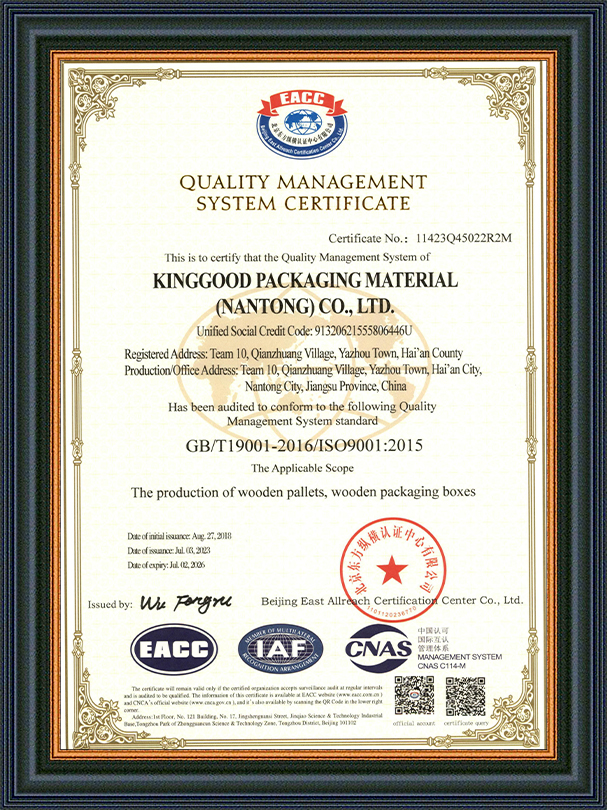

Message Feedback
Latest Articles

Cardboard Boxes Industry knowledge
Why Kraft Cardboard Boxes Double as Protection and Presentation
Unlike packaging that stays hidden inside a shipping container, kraft cardboard boxes are often the first physical touchpoint a customer has with a product, especially in retail and e-commerce channels. This dual role means the box has to do more than survive the trip; its surface, printability, and finish also shape how the brand and product are perceived the moment the box is opened.
Choosing the right kraft box specification for a given use case delivers benefits across both function and presentation:
- A natural, uncoated kraft surface that takes ink well for branding and shipping labels without additional priming.
- Box styles that can be matched to product shape and handling method, from flat-packed mailers to reinforced shipping cartons.
- Optional coatings that add moisture or grease resistance for product categories that need it.
- A recyclable, easily disposable material that fits sustainability-conscious retail packaging strategies.
How Box Style and Finish Are Matched to Product Needs
Choosing a Box Style
A regular slotted container, the most common shipping box style, offers straightforward assembly and strong stacking performance for general cartons. Die-cut boxes, by contrast, are shaped to fit a specific product tightly, reducing internal movement and often eliminating the need for extra void-fill material. Matching the box style to the product's shape is what determines how much cushioning material is actually needed inside.
Print and Surface Finishing
The natural brown kraft surface accepts flexographic printing directly without a white base coat, which keeps production cost lower than fully coated cartons while still allowing clear branding, barcodes, and handling icons to be printed legibly. Where a cleaner background is preferred, a white-top kraft liner can be used to improve print contrast.
Moisture and Grease-Resistant Treatments
For food-adjacent or moisture-sensitive products, a wax or polymer coating can be applied to the kraft surface to resist grease penetration and light dampness, extending the box's usability in environments that would otherwise weaken untreated corrugated board.
Matching Kraft Box Specifications to Common Use Cases
Different retail and shipping channels tend to favor different kraft box specifications based on how the product is handled and presented.
| Use Case | Recommended Style | Key Feature |
|---|---|---|
| E-commerce shipping | Regular slotted container | Simple assembly, strong stacking |
| Fitted retail products | Die-cut box | Tight fit reduces void-fill needs |
| Food-adjacent packaging | Coated kraft board | Grease and moisture resistance |
| Branded unboxing experience | Printed kraft or white-top liner | Higher print clarity for branding |
Frequently Asked Questions About Kraft Cardboard Box Styles and Finishing
Q1: Can branding be printed directly on natural kraft board?
Yes. The natural brown surface accepts flexographic printing directly without a white base coat, though a white-top liner can be used where higher print contrast is needed.
Q2: When does a die-cut box make more sense than a standard shipping carton?
Die-cut boxes are worth considering when a product has a consistent shape that benefits from a tight-fitting box, since this reduces the need for extra cushioning material inside.
Q3: Are kraft boxes safe for food-adjacent packaging?
With an appropriate grease- and moisture-resistant coating applied to the kraft surface, boxes can be suited to food-adjacent use, though the coating type should match the specific product's requirements.
Q4: How do I choose the right box style for e-commerce shipping?
A regular slotted container is generally the most practical choice for e-commerce, offering straightforward assembly and reliable stacking strength across a range of product sizes.
Kraft Cardboard Boxes Alongside a Full Wood-Based Packaging Range
Headquartered in Yazhou Town, Hai'an, Nantong, King Good Packaging Materials (Nantong) Co., Ltd. operates processing facilities across multiple regions, including Taizhou, Fengxian in Shanghai, Wuhan, Dongguan, Kunshan, and Beilun in Ningbo, offering kraft cardboard boxes alongside wooden pallets, wooden crates, and packaging boards for shipments that need added structural support. With a complete chain covering production, after-sales service, and on-site packaging, the company helps customers match box style and finish to each product's presentation and protection needs.


Got Questions? Contact Us Now
-
Copyright @ King Good Packaging Materials (NanTong)Co.,Ltd. All Rights Reserved. Custom Kraft Cardboard Boxes Manufacturer Kraft Cardboard Boxes Factory

-
Contact info.
+86-0513-88669885 +86-13813749256 13813749256@163.com Qianzhuang Village, Yazhou Town, Hai'an City, Nantong City, Jiangsu Province, China - About KINGGOOD Packaging Series Industry Solutions OEM Service News Contact