

 English
 中文简体
中文简体 Español
King Good Packaging Materials (NanTong)Co.,Ltd. is a Custom Large equipment packaging solid wooden box Supplier and Large equipment packaging solid wooden box Factory, committed to becoming a national OEM manufacturer of wood products packaging, specializing in the design, development and production of wood products. It has processing factories of different scales in Taizhou, Jiangsu Province, Fengxian, Shanghai, Wuhan, Hubei Province, Dongguan, Guangdong Province, Kunshan, Jiangsu Province and Beilun, Ningbo. The company's headquarters is located in Yazhou Town, Haian City, Nantong City. Since the establishment of the factory, it has newly introduced wood processing machinery and supporting equipment, and has technicians with many years of rich experience. It strictly controls each production procedure and ensures quality and quantity with proficient skills. We have formed a complete chain covering production, after-sales service and on-site packaging. Our perfect service has won high praise from many enterprises.
Based on raw materials such as fir, pine, miscellaneous wood, plywood and particleboard, KingGood can customize different products according to development to avoid unnecessary losses during long-distance transportation. Main products: Packaging boards, multi-layer boards, (for export and domestic use) wooden pallets. Wooden crates, pallet boards, front boards, and side board wooden crates (plywood, pallets, and packaging boxes can be exported directly without inspection, saving you a lot of cumbersome procedures) can provide packaging for extra-large mechanical equipment. Our company adheres to the principle of keeping promises, achieving mutual benefit and win-win results, getting along harmoniously, doing things with dedication, and providing excellent service. Ensure the company's continuous and stable development.


Large equipment packaging solid wooden box
Home / Packaging Series / Heavy Duty Wood Crates / Heavy Duty Solid Wood Crates / Large equipment packaging solid wooden box
All Products
Large equipment packaging solid wooden box Supplier
information to be updated
About KINGGOOD
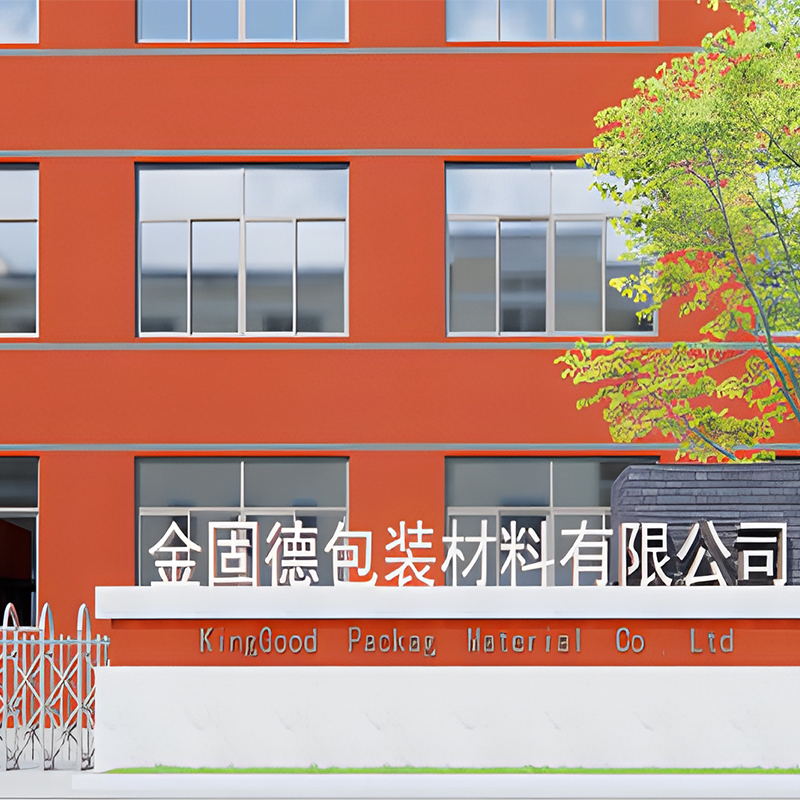
King Good Packaging Materials (NanTong)Co.,Ltd.
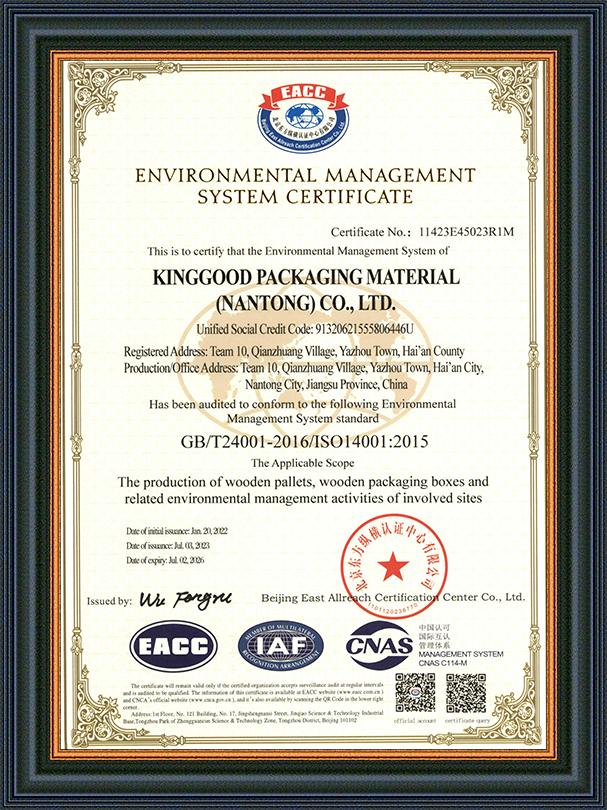
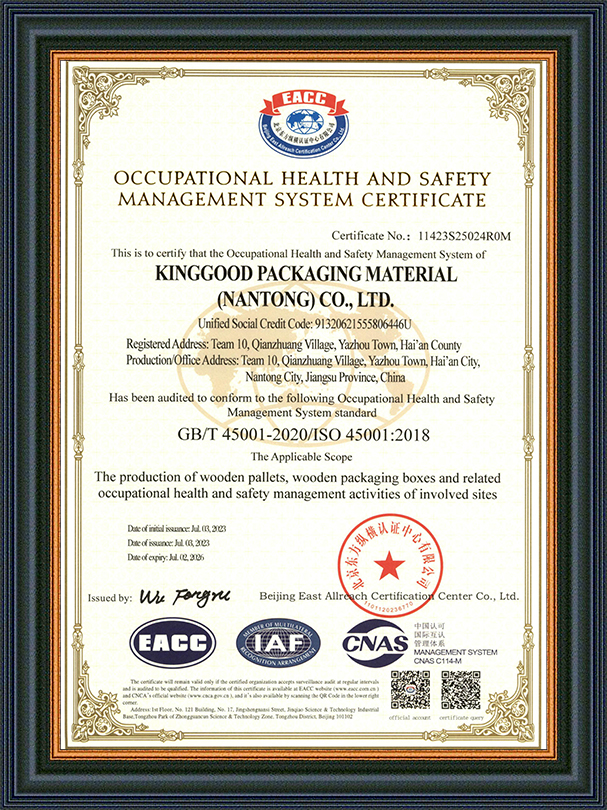
Certificate Of Honor
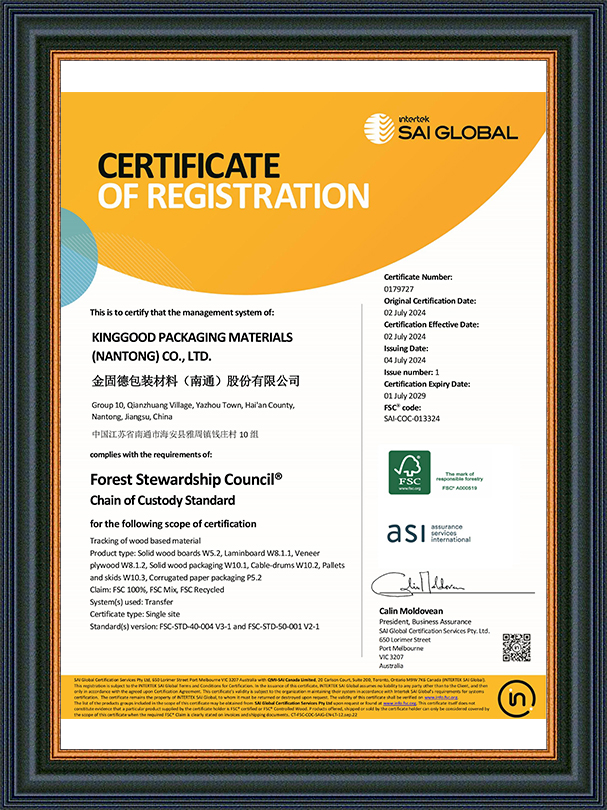
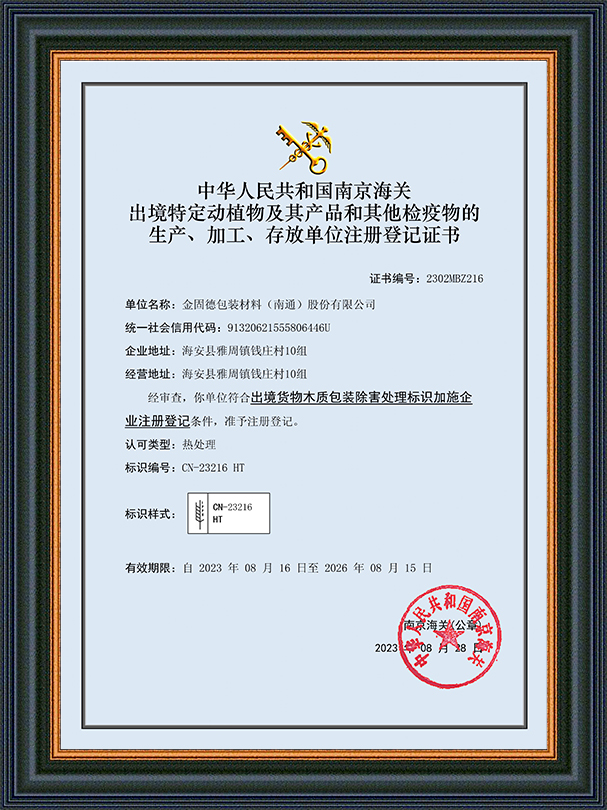
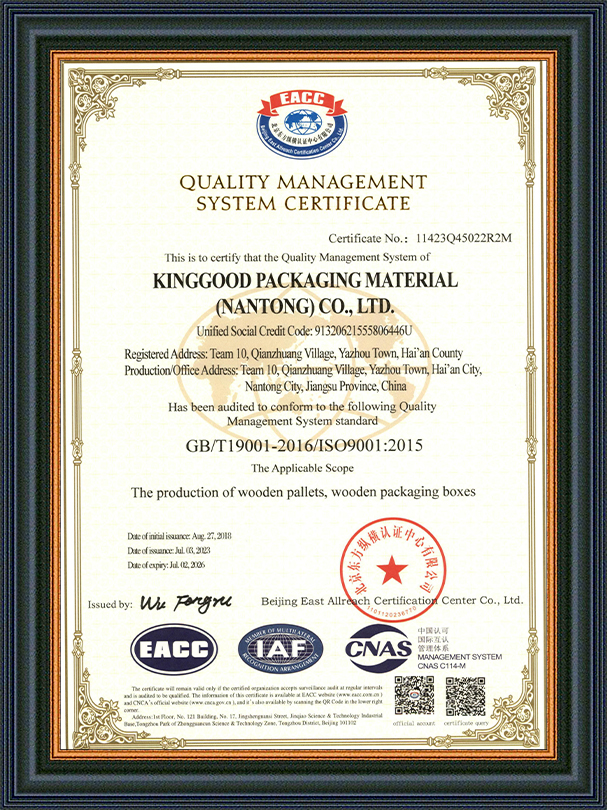

Latest Articles

Large equipment packaging solid wooden box Industry knowledge
Why Large Equipment Needs a Purpose-Built Solid Wooden Box
Shipping oversized machinery is fundamentally different from packing standard cargo. A large equipment packaging solid wooden box has to account for extreme dimensions, uneven center of gravity, multiple lifting and handling stages, and the real possibility of the equipment being partially disassembled before transport. Off-the-shelf crating rarely covers these variables, which is why large equipment shipments typically call for a fully engineered solid wooden box built around the specific machine.
A properly engineered box for large equipment delivers several critical advantages:
- Load paths engineered around the machine's actual weight distribution rather than a generic stacking assumption.
- Defined lifting and rigging points that keep crane or forklift handling safe and predictable at every transfer stage.
- Protection against the compounded stress of multi-leg journeys, including port handling, customs storage, and final inland delivery.
- Reduced risk of costly damage claims on equipment that is often irreplaceable on short notice.
How a Solid Wooden Box Is Engineered Around the Machine
Weight Mapping Before Design
Before any timber is cut, the equipment's weight distribution is mapped to identify where the heaviest components sit relative to the base. This weight map determines exactly where the internal skids and support blocks need to be positioned, rather than spacing supports evenly across a generic grid that may miss the machine's actual heavy points.
Defined Lifting and Rigging Points
Solid wooden boxes for large equipment are built with clearly marked lifting points, often reinforced with additional bracing directly beneath sling or forklift contact areas. This prevents crushing or shifting during the repeated lifts a shipment typically undergoes between the factory floor, the port, and the final installation site.
Sectional and Knock-Down Designs
For equipment too large to move as a single crate, boxes can be engineered in sectional or knock-down panels that bolt together on site, allowing oversized machinery to be shipped in manageable pieces without sacrificing overall structural protection once reassembled at the destination.
Planning Checklist for Large Equipment Packaging Projects
Successful large equipment packaging projects generally follow the same core planning sequence, regardless of the machine involved.
| Planning Stage | Key Action | Outcome |
|---|---|---|
| Dimension and weight survey | Measure footprint and record weight centers | Accurate box and skid sizing |
| Transport mode review | Confirm container, flat-rack, or open-top routing | Box dimensions matched to transport method |
| Structural design | Position skids, bracing, and lifting points | Load-bearing structure matched to the machine |
| Export compliance check | Confirm treatment and documentation status | Smoother customs clearance |
Solid wood boxes used in international shipments generally fall under the ISPM 15 phytosanitary standard, which requires heat treatment or fumigation before export. Boxes already treated to this standard can pass through customs without additional inspection, which matters significantly for large equipment projects with tight installation deadlines.
Frequently Asked Questions About Large Equipment Packaging Boxes
Q1: Why can't standard crates be used for large or oversized equipment?
Standard crates are built around generic dimensions and load assumptions, whereas large equipment often has an uneven center of gravity and specific lifting requirements that need a box engineered around its exact weight distribution.
Q2: Can oversized equipment be packaged in sections?
Yes. Sectional or knock-down box designs allow machinery too large for a single crate to be shipped in bolted panels and reassembled at the destination without losing structural protection.
Q3: What information is needed before designing a large equipment box?
An accurate dimension and weight survey, including where the equipment's weight is concentrated, is essential for positioning skids, bracing, and lifting points correctly.
Q4: Do large equipment wooden boxes require export treatment?
Yes, solid wood boxes used internationally generally require ISPM 15 heat treatment or fumigation before they can be exported and cleared through customs.
Engineered Wooden Boxes for Oversized Machinery Shipments
Headquartered in Yazhou Town, Hai'an, Nantong, King Good Packaging Materials (Nantong) Co., Ltd. operates processing facilities across multiple regions, including Taizhou, Fengxian in Shanghai, Wuhan, Dongguan, Kunshan, and Beilun in Ningbo, providing specialized packaging solutions for extra-large mechanical equipment. Backed by technicians with years of hands-on experience and a complete chain covering production, after-sales service, and on-site packaging, the company designs solid wooden boxes that account for each machine's specific weight, dimensions, and handling requirements, helping reduce potential losses during long-distance transportation.


Got Questions? Contact Us Now
-
-
Contact info.
+86-0513-88669885 +86-13813749256 13813749256@163.com Qianzhuang Village, Yazhou Town, Hai'an City, Nantong City, Jiangsu Province, China - About KINGGOOD Packaging Series Industry Solutions OEM Service News Contact
