

 English
 中文简体
中文简体 Español
King Good Packaging Materials (NanTong)Co.,Ltd. is a Custom Size Plywood Pallet Supplier and OEM Size Plywood Pallet Factory, committed to becoming a national OEM manufacturer of wood products packaging, specializing in the design, development and production of wood products. It has processing factories of different scales in Taizhou, Jiangsu Province, Fengxian, Shanghai, Wuhan, Hubei Province, Dongguan, Guangdong Province, Kunshan, Jiangsu Province and Beilun, Ningbo. The company's headquarters is located in Yazhou Town, Haian City, Nantong City. Since the establishment of the factory, it has newly introduced wood processing machinery and supporting equipment, and has technicians with many years of rich experience. It strictly controls each production procedure and ensures quality and quantity with proficient skills. We have formed a complete chain covering production, after-sales service and on-site packaging. Our perfect service has won high praise from many enterprises.
Based on raw materials such as fir, pine, miscellaneous wood, plywood and particleboard, KingGood can customize different products according to development to avoid unnecessary losses during long-distance transportation. Main products: Packaging boards, multi-layer boards, (for export and domestic use) wooden pallets. Wooden crates, pallet boards, front boards, and side board wooden crates (plywood, pallets, and packaging boxes can be exported directly without inspection, saving you a lot of cumbersome procedures) can provide packaging for extra-large mechanical equipment. Our company adheres to the principle of keeping promises, achieving mutual benefit and win-win results, getting along harmoniously, doing things with dedication, and providing excellent service. Ensure the company's continuous and stable development.


Custom Size Plywood Pallet
All Products
Size Plywood Pallet Supplier
information to be updated
About KINGGOOD
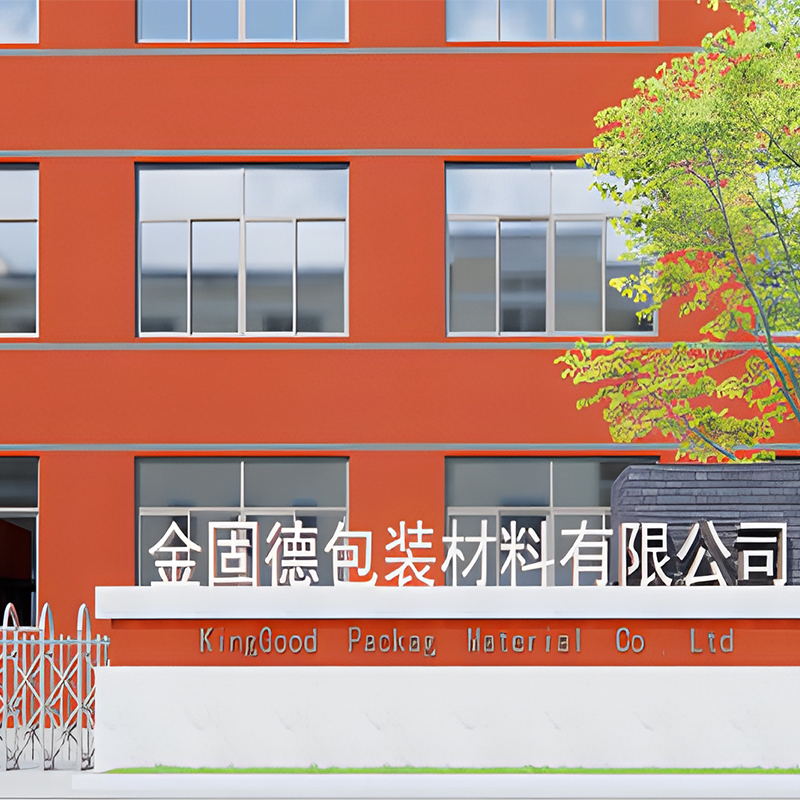
King Good Packaging Materials (NanTong)Co.,Ltd.
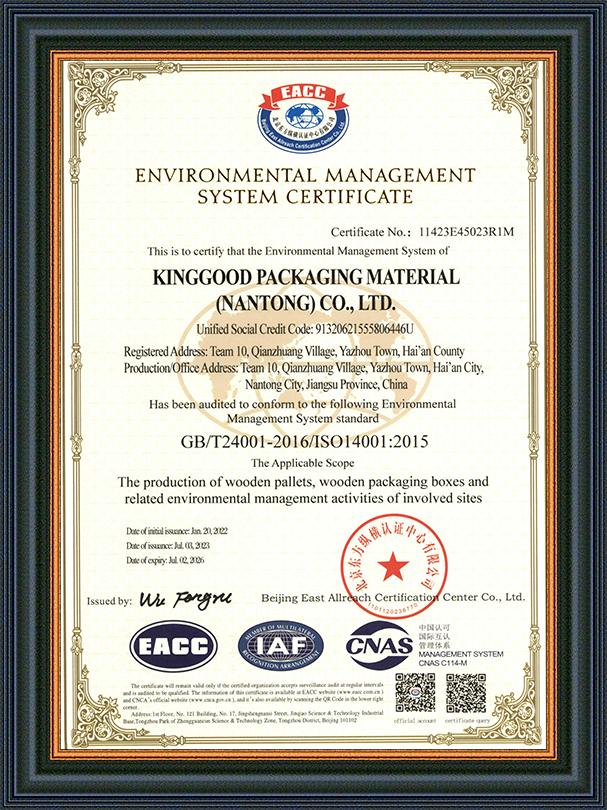
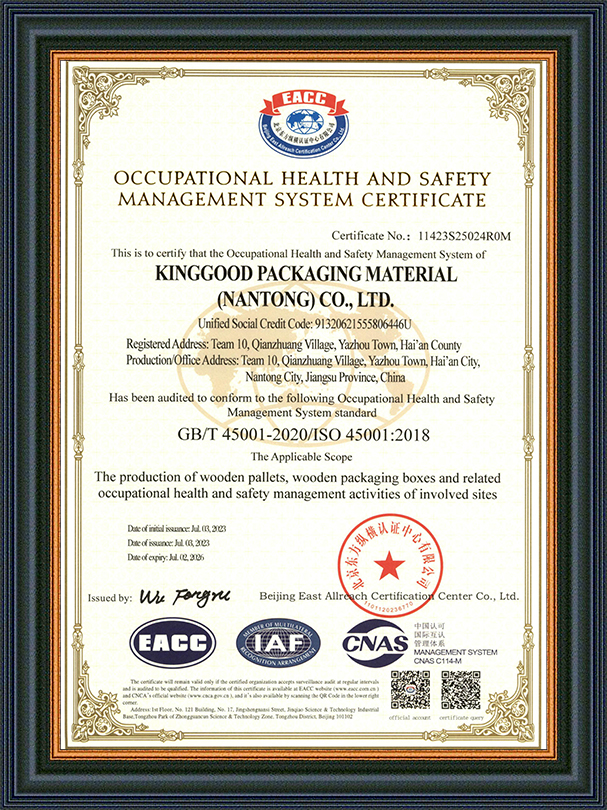
Certificate Of Honor
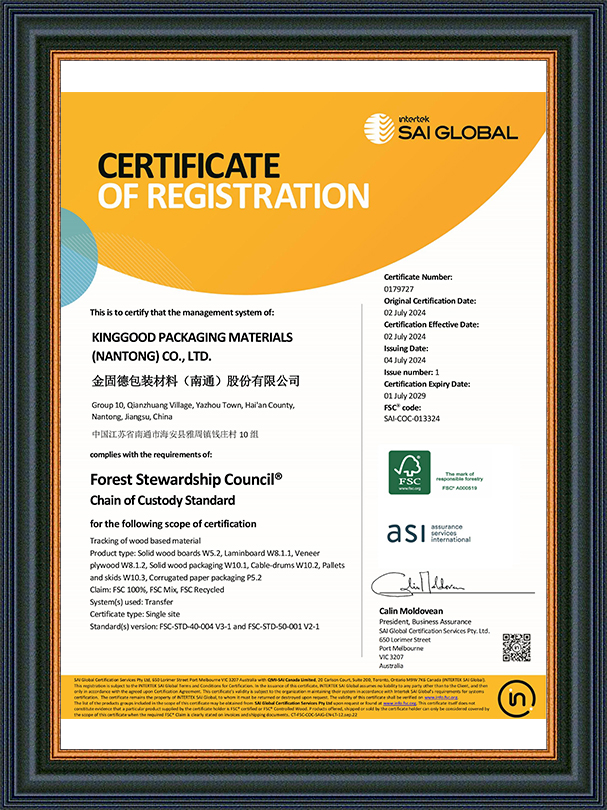
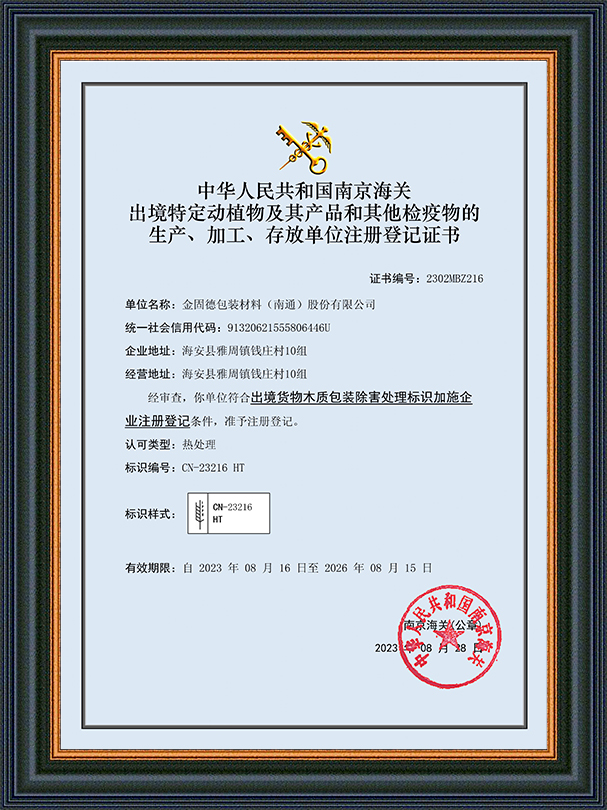
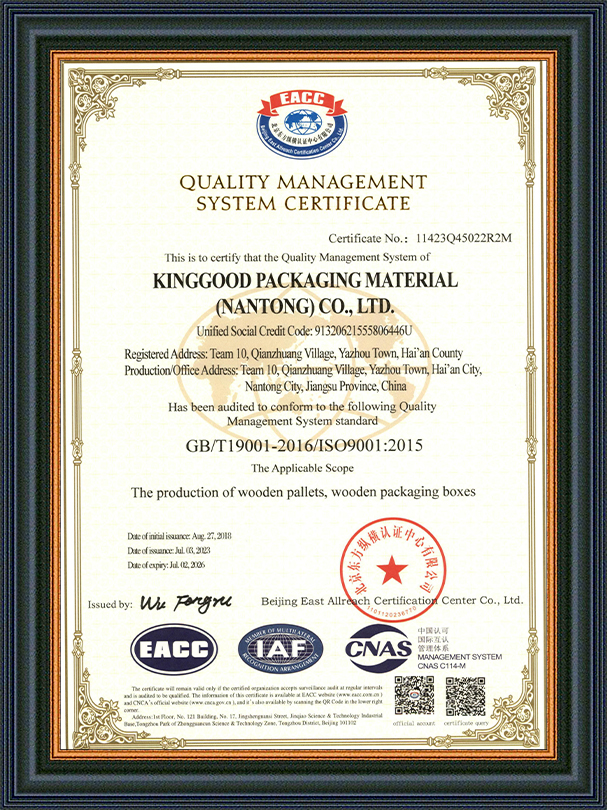

Latest Articles

Custom Size Plywood Pallet Industry knowledge
Why a Custom Size Plywood Pallet Solves Non-Standard Load Problems
Not every shipment fits neatly onto a standard-sized pallet. Equipment with unusual footprints, oversized bases, or awkward weight distribution often ends up overhanging a fixed-dimension pallet, creating instability during handling. A custom size plywood pallet is built to the exact length, width, and load requirement of the cargo, eliminating overhang and giving forklifts and cranes a fully supported surface to lift from.
Choosing a custom plywood pallet over a fixed-dimension alternative offers several practical benefits:
- Full base support for oversized or irregularly shaped equipment, eliminating unsafe overhang during lifting and transport.
- A smooth, continuous plywood deck surface that resists splitting better than solid boards under repeated stress.
- Precise dimensional control, allowing pallets to fit tightly inside containers and reduce wasted cargo space.
- Flexible load rating, since deck thickness and stringer spacing can be adjusted to match specific cargo weight.
How Custom Plywood Pallets Are Designed and Built
Cross-Grain Plywood Construction
Plywood decking is built from multiple thin wood veneers glued together with alternating grain direction. This cross-grain layering distributes stress in more than one direction at once, making plywood decks more resistant to cracking and warping than solid single-plank boards, especially under concentrated point loads from forklift forks.
Dimensioning to Cargo and Container Fit
The design process starts by measuring the cargo's exact footprint and weight distribution, then calculating a pallet length and width that leaves no unsupported overhang while still fitting efficiently within standard container or truck bed dimensions. This step is critical for equipment that would otherwise straddle two standard pallets or leave dangerous gaps at the edges.
Stringer and Block Reinforcement
Once the footprint is set, stringers or blocks are positioned beneath the deck to match the cargo's actual weight-bearing points rather than a generic grid pattern. Concentrating support where the load is heaviest allows the pallet to carry non-uniform weight safely without adding unnecessary material elsewhere.
Key Specifications to Define When Ordering a Custom Pallet
Providing clear specifications upfront helps ensure the finished pallet matches the cargo on the first attempt, avoiding costly redesigns.
| Specification | Why It Matters |
|---|---|
| Exact length and width | Prevents overhang and container space waste |
| Total cargo weight | Determines deck thickness and stringer spacing |
| Weight distribution points | Guides placement of internal support blocks |
| Handling method | Determines two-way or four-way forklift entry |
Custom plywood pallets used in international shipping are generally subject to the ISPM 15 phytosanitary standard, which requires heat treatment or fumigation of the wood before export. Pallets already treated to this standard can pass through customs without further inspection, keeping oversized or urgent shipments on schedule.
Frequently Asked Questions About Custom Size Plywood Pallets
Q1: When does a shipment actually need a custom size pallet instead of a standard one?
A custom pallet is worth considering whenever cargo overhangs a standard footprint, has an unusual shape, or carries weight unevenly across its base, since a mismatched standard pallet can create instability during lifting.
Q2: Why is plywood often preferred over solid wood for custom pallet decks?
Plywood's cross-grain layered construction resists cracking and warping better than solid boards under concentrated point loads, making it well suited to repeated forklift handling.
Q3: What information is needed to order a custom plywood pallet?
The key details are exact cargo length and width, total weight, weight distribution across the base, and the intended forklift handling method, all of which shape the final deck and stringer design.
Q4: Do custom plywood pallets still need export treatment?
Yes, custom plywood pallets used internationally generally need ISPM 15 heat treatment or fumigation, the same requirement that applies to most other solid wood export packaging.
Custom Plywood Pallets Engineered to Fit Your Cargo
Headquartered in Yazhou Town, Hai'an, Nantong, King Good Packaging Materials (Nantong) Co., Ltd. operates processing facilities across multiple regions, including Taizhou, Fengxian in Shanghai, Wuhan, Dongguan, Kunshan, and Beilun in Ningbo, designing and producing custom size plywood pallets alongside standard wooden pallets, wooden crates, and packaging boards. With a complete chain covering production, after-sales service, and on-site packaging, the company works from each customer's exact cargo dimensions and weight requirements to reduce potential losses during long-distance transportation.


Got Questions? Contact Us Now
-
Copyright @ King Good Packaging Materials (NanTong)Co.,Ltd. All Rights Reserved. Custom Size Plywood Pallet Supplier OEM Size Plywood Pallet Factory

-
Contact info.
+86-0513-88669885 +86-13813749256 13813749256@163.com Qianzhuang Village, Yazhou Town, Hai'an City, Nantong City, Jiangsu Province, China - About KINGGOOD Packaging Series Industry Solutions OEM Service News Contact