

 English
 中文简体
中文简体 Español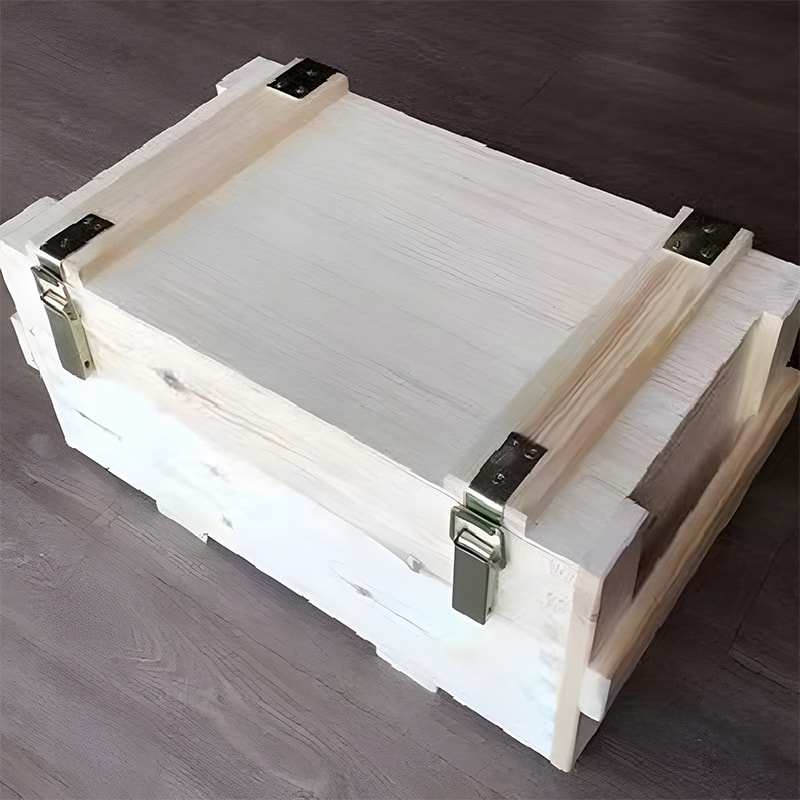
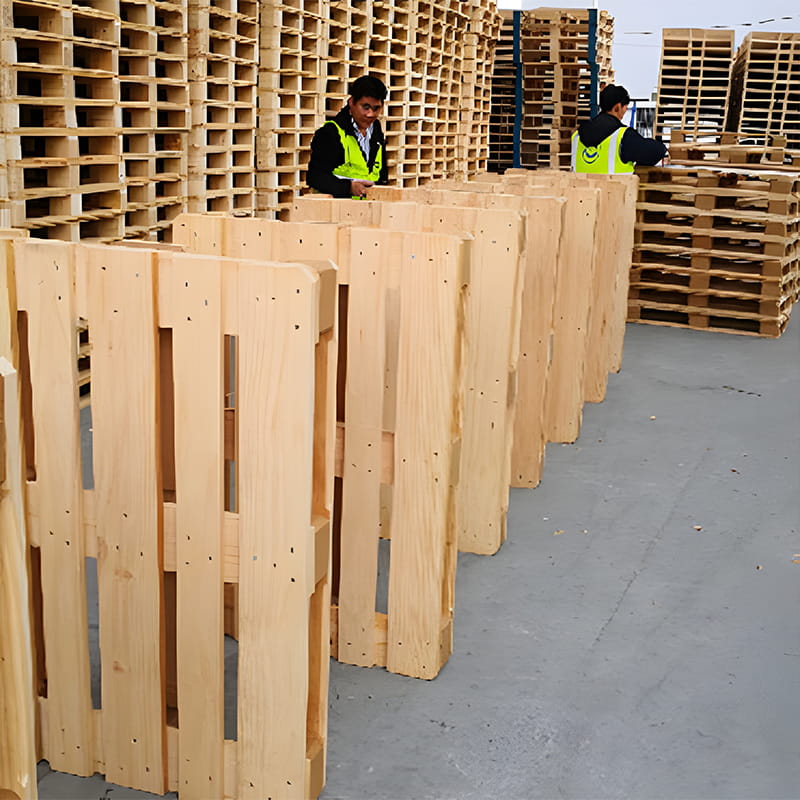
King Good Packaging Materials (NanTong)Co.,Ltd. is a Custom Heavy Duty Wood Crates Supplier and Heavy Duty Wood Crates Factory, committed to becoming a national OEM manufacturer of wood products packaging, specializing in the design, development and production of wood products. It has processing factories of different scales in Taizhou, Jiangsu Province, Fengxian, Shanghai, Wuhan, Hubei Province, Dongguan, Guangdong Province, Kunshan, Jiangsu Province and Beilun, Ningbo. The company's headquarters is located in Yazhou Town, Haian City, Nantong City. Since the establishment of the factory, it has newly introduced wood processing machinery and supporting equipment, and has technicians with many years of rich experience. It strictly controls each production procedure and ensures quality and quantity with proficient skills. We have formed a complete chain covering production, after-sales service and on-site packaging. Our perfect service has won high praise from many enterprises.
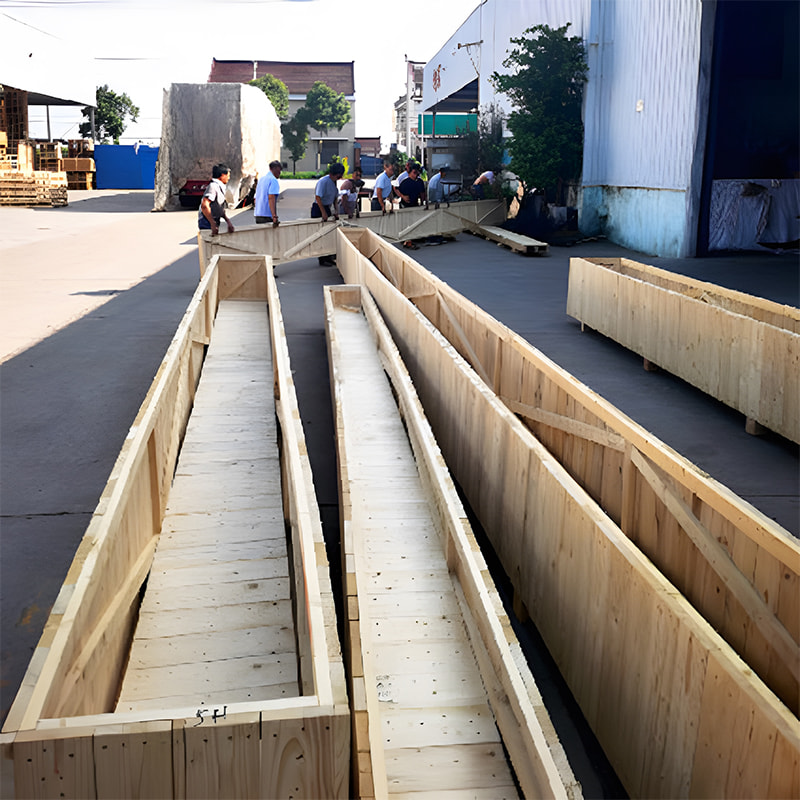
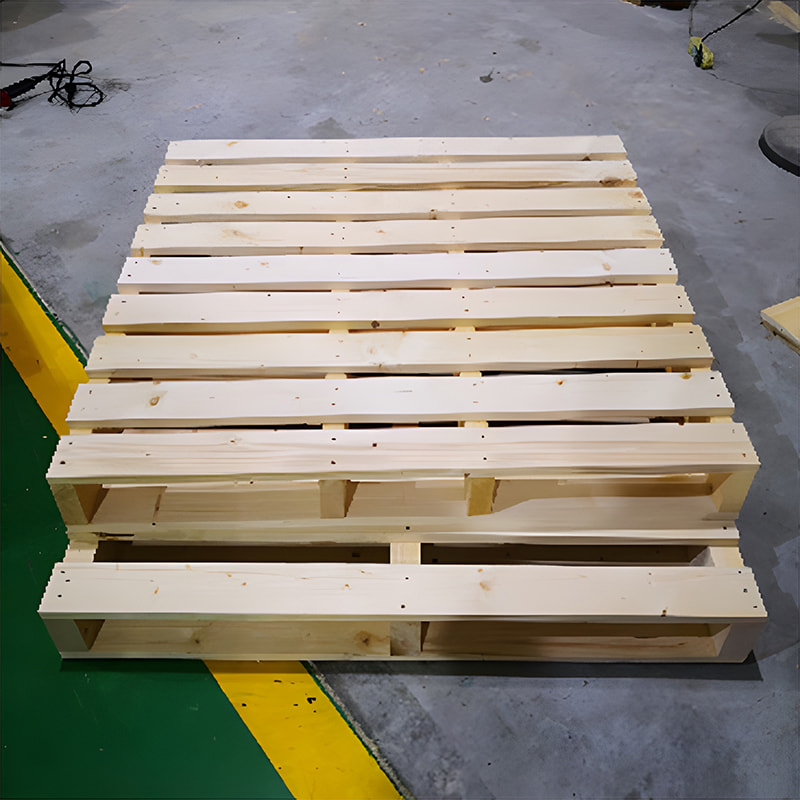
Based on raw materials such as fir, pine, miscellaneous wood, plywood and particleboard, KingGood can customize different products according to development to avoid unnecessary losses during long-distance transportation. Main products: Packaging boards, multi-layer boards, (for export and domestic use) wooden pallets. Wooden crates, pallet boards, front boards, and side board wooden crates (plywood, pallets, and packaging boxes can be exported directly without inspection, saving you a lot of cumbersome procedures) can provide packaging for extra-large mechanical equipment. Our company adheres to the principle of keeping promises, achieving mutual benefit and win-win results, getting along harmoniously, doing things with dedication, and providing excellent service. Ensure the company's continuous and stable development.


Heavy Duty Wood Crates
All Products
Heavy Duty Wood Crates Supplier
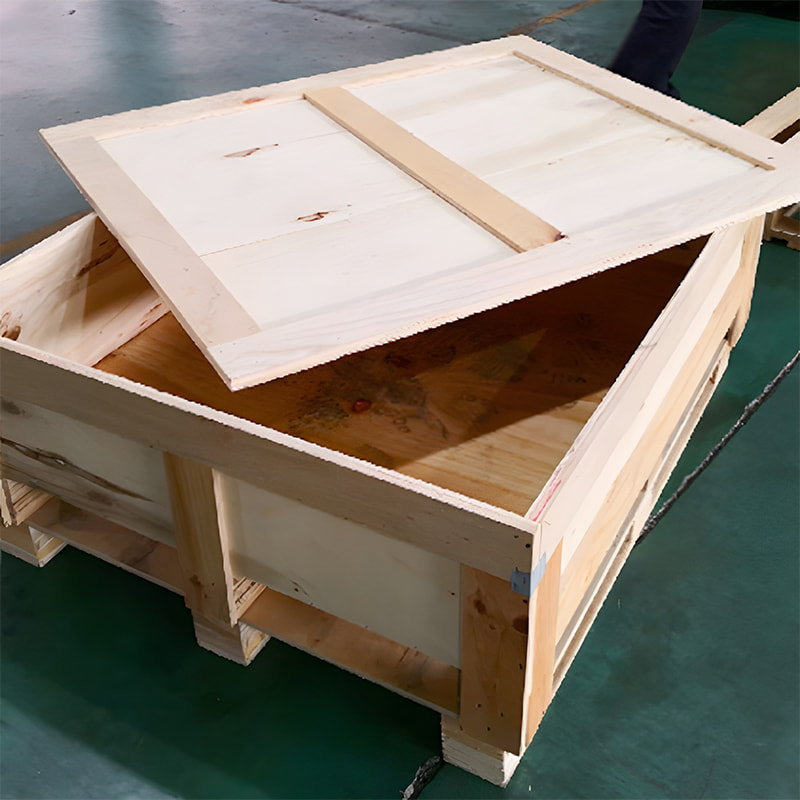
Heavy Duty Wood Crates, used for packaging and transporting industrial products, rely on a professional design team and can be customized with a high degree of freedom based on the size, shape, and protection requirements (such as moisture-proof, shockproof, and corrosion-proof) of industrial products. From structural design to detail optimization, they can adapt to product characteristics. The production process relies on mature technology and combines customized needs to quickly allocate production resources to achieve short production cycle delivery. At the same time, supporting services such as design scheme evaluation, packaging testing, and after-sales maintenance recommendations are provided. The core advantages lie in strong protection, high adaptability, and efficient delivery, which can ensure the safety of industrial products in long-distance transportation, warehousing and stacking, and reduce transportation losses.
About KINGGOOD
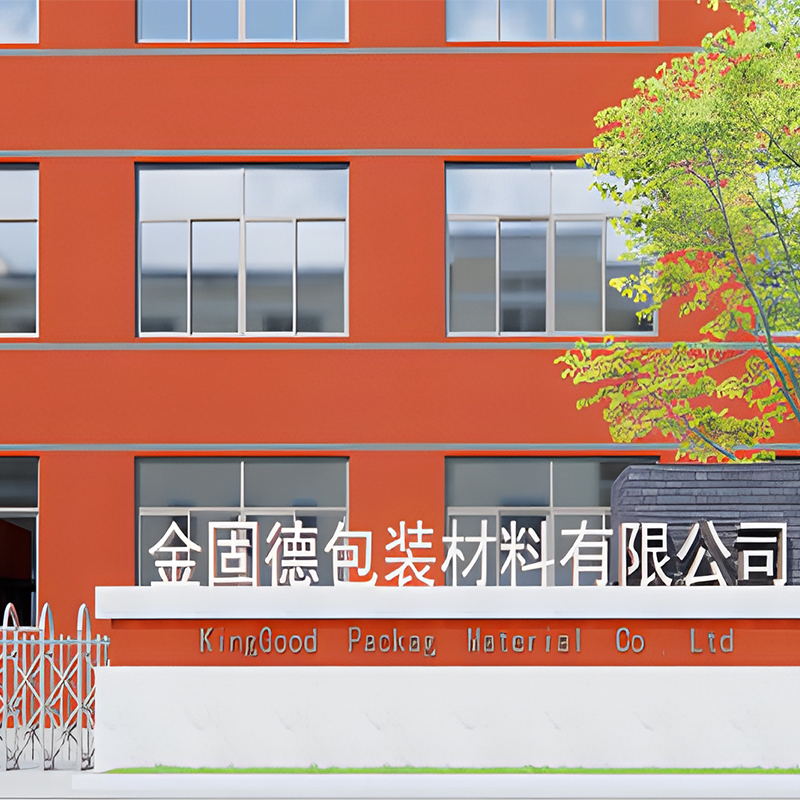
King Good Packaging Materials (NanTong)Co.,Ltd.
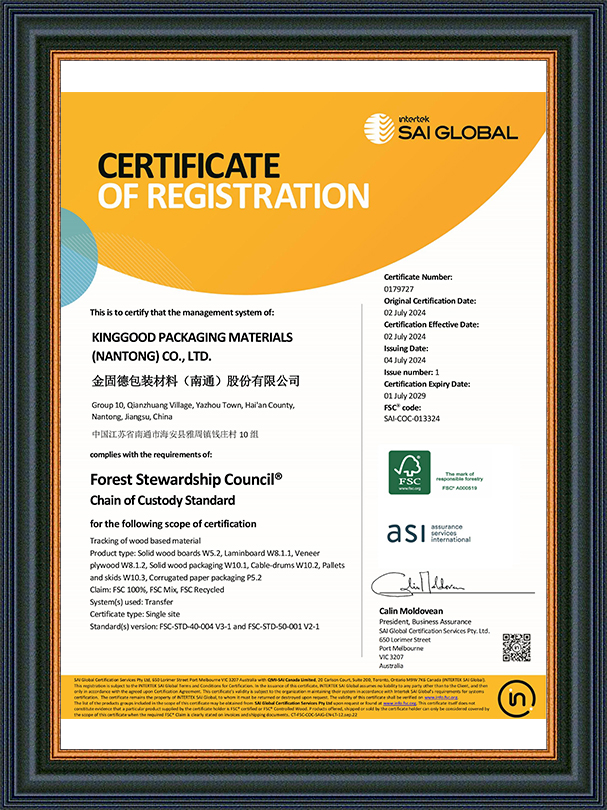
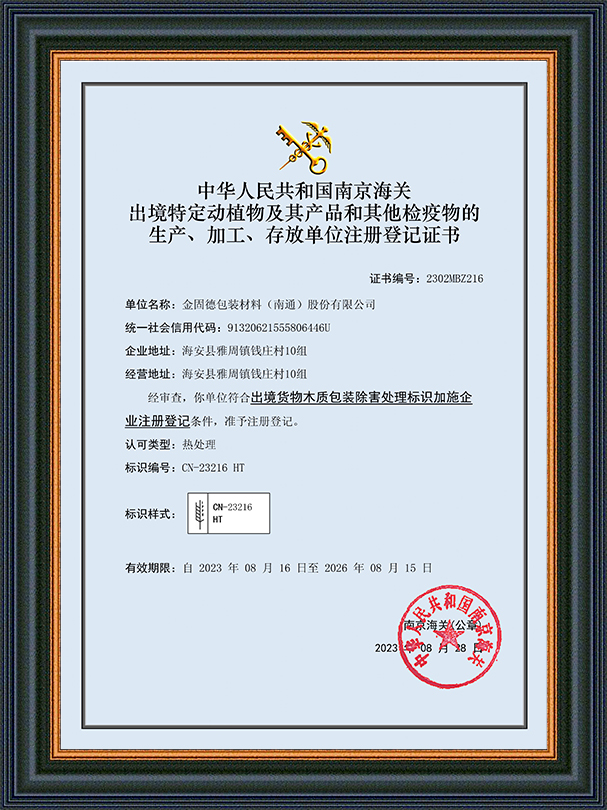
Certificate Of Honor
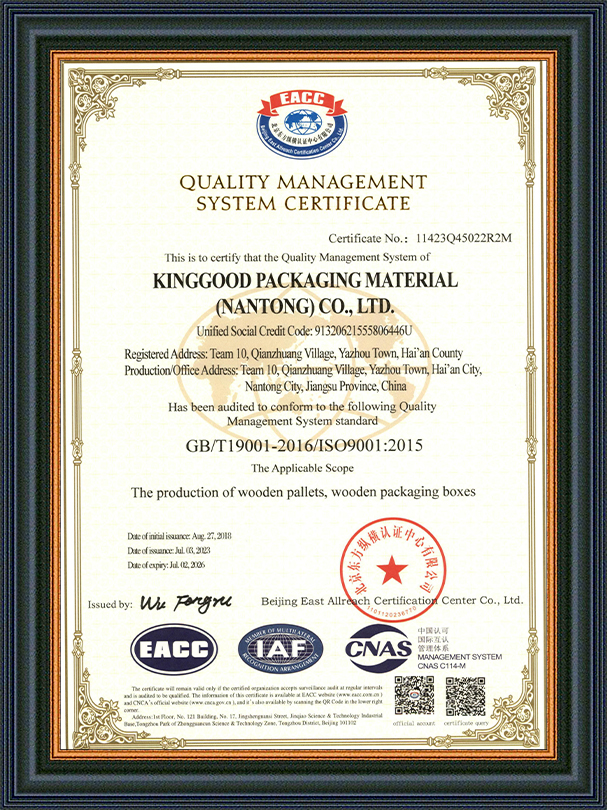
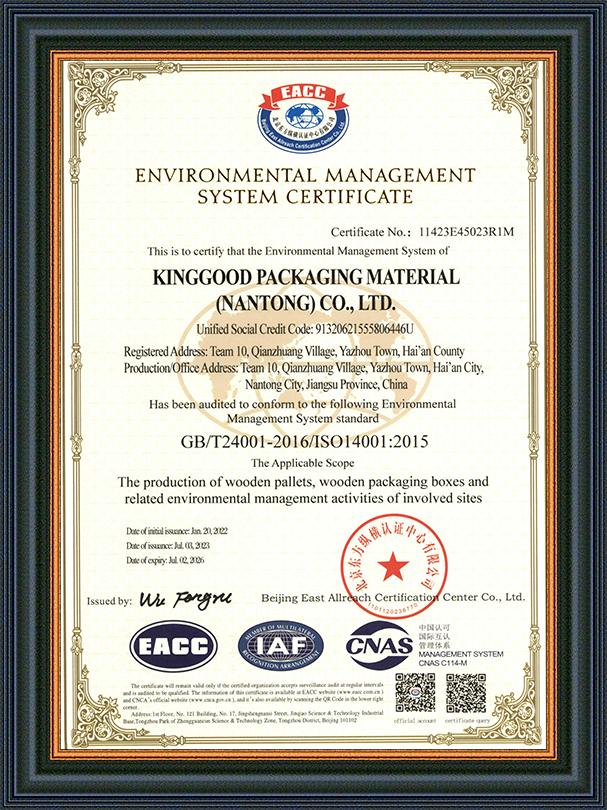
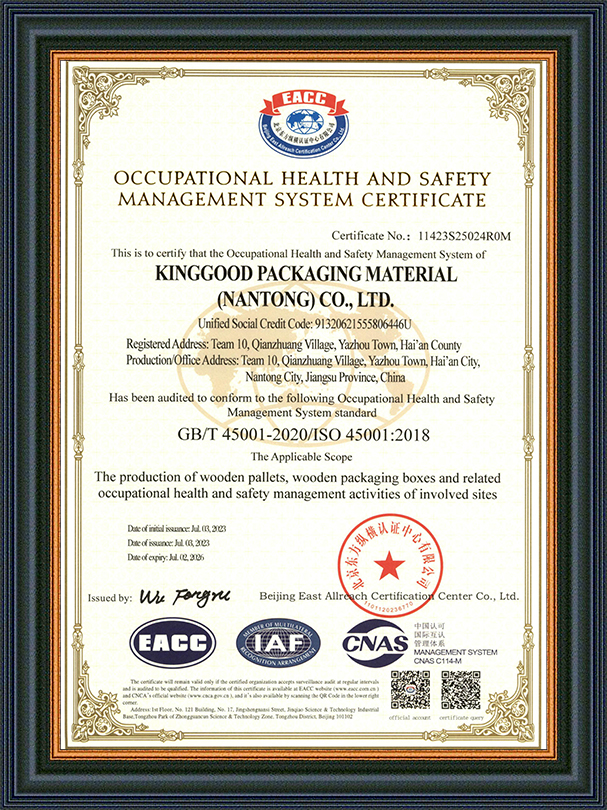

Latest Articles

Heavy Duty Wood Crates Industry knowledge
Why Heavy Duty Wood Crates Are Built for Demanding Cargo
Heavy duty wood crates are engineered specifically for cargo that standard packaging cannot safely protect: large machinery, industrial equipment, engine components, generators, and other high-value or oversized items. Unlike lightweight cartons or standard pallets, these crates use thicker structural members, reinforced corners, and denser wood species to withstand the stacking pressure, vibration, and handling shocks that occur during long-distance sea, rail, or road transport.
The main advantages of using heavy duty wood crates over lighter alternatives include:
- Higher load-bearing capacity, allowing crates to support several tons of equipment without frame deformation.
- Resistance to impact and crushing during multiple handling stages, including crane lifting and forklift transfer.
- Structural rigidity that keeps irregularly shaped or top-heavy machinery stable during transit.
- Cost efficiency compared with steel or custom metal crating for one-time or low-volume shipments.
How Heavy Duty Wood Crates Are Engineered to Perform
Reinforced Frame Structure
A heavy duty crate typically relies on thick corner posts, diagonal bracing, and reinforced base skids that spread the load evenly across the crate floor. This load-spreading design is what allows a single crate to safely carry several tons of equipment without the base boards bowing or the corner joints failing under stacking pressure.
Internal Bracing and Cushioning
Beyond the outer frame, internal bracing bars, cushion boards, and front boards are added to anchor the equipment in place and absorb vibration during transit. For machinery with protruding parts or uneven weight distribution, custom internal supports prevent shifting that could otherwise cause damage or unbalanced loading inside a container.
Material Selection for Structural Strength
Dense fir and solid pine are commonly used for the load-bearing frame due to their high strength-to-weight ratio, while multi-layer plywood panels are used for the crate walls because their cross-grain construction resists warping and splitting under changing humidity conditions during ocean freight.
Matching Crate Specifications to Cargo Type
Not all heavy duty wood crates require the same specification. The right combination of frame thickness, bracing, and panel material depends on the weight, shape, and sensitivity of the cargo being shipped.
| Cargo Type | Recommended Feature | Purpose |
|---|---|---|
| Large Machinery | Reinforced skid base | Supports concentrated point loads |
| Irregularly Shaped Equipment | Custom internal bracing | Prevents shifting during transit |
| Precision Instruments | Cushion and front boards | Absorbs vibration and shock |
| Export Shipments | Plywood wall panels | Resists humidity-related warping |
Solid wood crates used in international trade are generally required to comply with the ISPM 15 phytosanitary standard, which requires heat treatment or fumigation before export. Crates that already meet this standard can pass through customs without additional inspection, helping avoid delays for time-sensitive machinery shipments.
Frequently Asked Questions About Heavy Duty Wood Crates
Q1: How much weight can a heavy duty wood crate typically support?
Load capacity depends on the frame thickness and bracing design, with reinforced crates engineered specifically to carry several tons of machinery or industrial equipment.
Q2: Are heavy duty wood crates suitable for irregularly shaped equipment?
Yes. Because wood can be cut and reinforced on site, internal bracing and support blocks can be custom-fitted to secure equipment with protrusions or uneven weight distribution.
Q3: Do heavy duty wood crates need export treatment before shipping?
Solid wood crates used internationally generally need ISPM 15 heat treatment or fumigation, while crates built entirely from manufactured panels such as plywood may fall outside this requirement.
Q4: Can these crates be reused for multiple shipments?
With periodic inspection for cracked panels or loose bracing, a well-built heavy duty crate can often be reused or repaired across several shipping cycles before replacement is needed.
Custom Heavy Duty Wood Crates Built to Order
Headquartered in Yazhou Town, Hai'an, Nantong, King Good Packaging Materials (Nantong) Co., Ltd. has been equipped with advanced wood processing machinery since its establishment, using fir, pine, solid wood, plywood, and particleboard to produce heavy duty wood crates alongside wooden pallets, cushion boards, front boards, and edge boards. Every production process is strictly controlled to ensure consistent quality, and the company also provides specialized packaging solutions for oversized machinery and equipment, helping businesses reduce potential losses during long-distance transportation.


Got Questions? Contact Us Now
-
Copyright @ King Good Packaging Materials (NanTong)Co.,Ltd. All Rights Reserved. Custom Heavy Duty Wood Crates Supplier Heavy Duty Wood Crates Factory

-
Contact info.
+86-0513-88669885 +86-13813749256 13813749256@163.com Qianzhuang Village, Yazhou Town, Hai'an City, Nantong City, Jiangsu Province, China - About KINGGOOD Packaging Series Industry Solutions OEM Service News Contact