

 English
 中文简体
中文简体 Español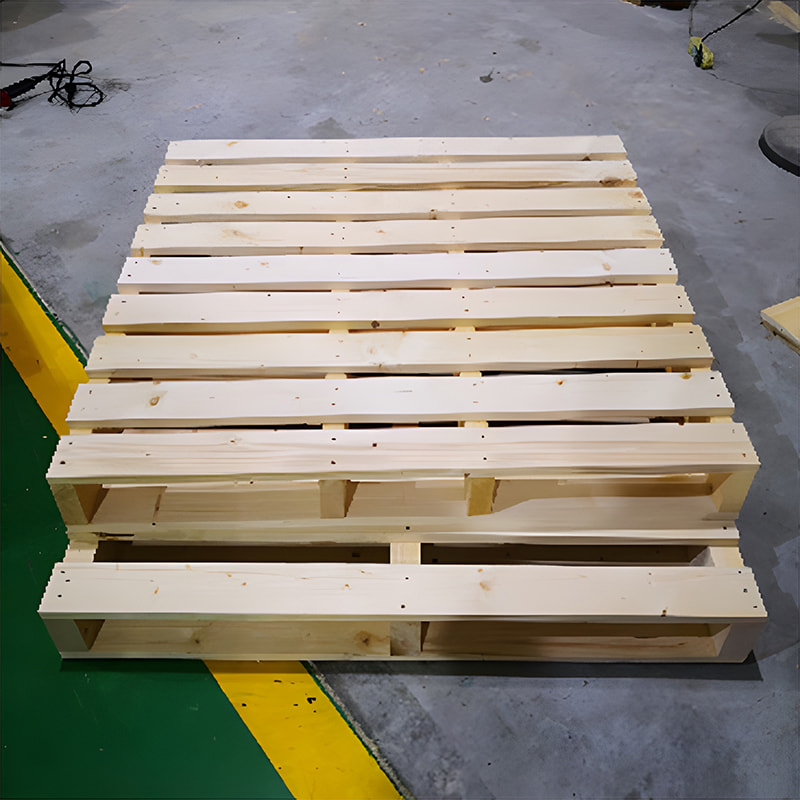
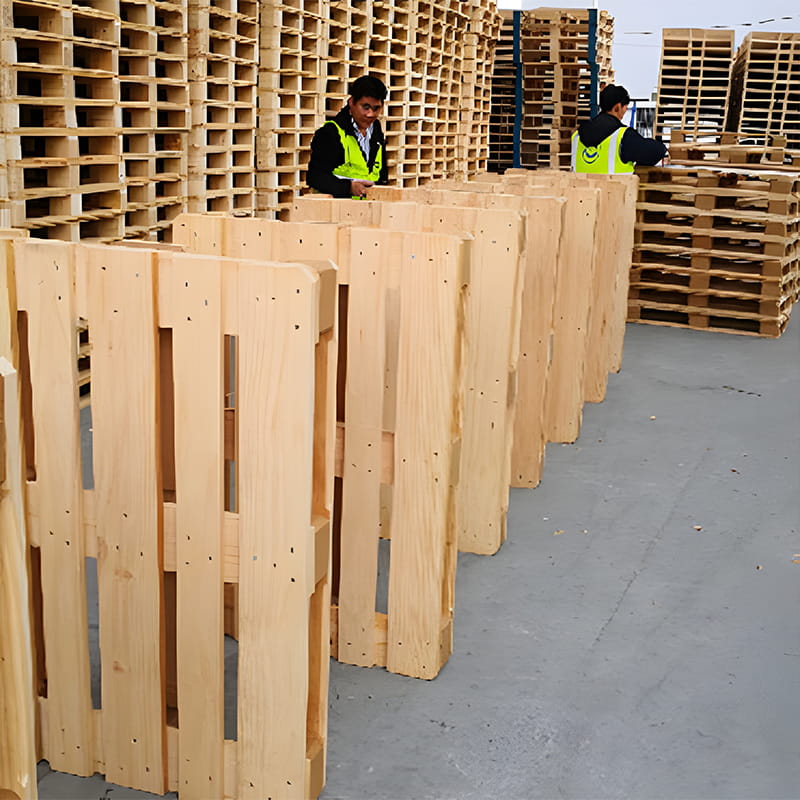
King Good Packaging Materials (NanTong)Co.,Ltd. is a Wholesale Plywood Wood Boxes Manufacturer and Plywood Wood Boxes Company, committed to becoming a national OEM manufacturer of wood products packaging, specializing in the design, development and production of wood products. It has processing factories of different scales in Taizhou, Jiangsu Province, Fengxian, Shanghai, Wuhan, Hubei Province, Dongguan, Guangdong Province, Kunshan, Jiangsu Province and Beilun, Ningbo. The company's headquarters is located in Yazhou Town, Haian City, Nantong City. Since the establishment of the factory, it has newly introduced wood processing machinery and supporting equipment, and has technicians with many years of rich experience. It strictly controls each production procedure and ensures quality and quantity with proficient skills. We have formed a complete chain covering production, after-sales service and on-site packaging. Our perfect service has won high praise from many enterprises.
Based on raw materials such as fir, pine, miscellaneous wood, plywood and particleboard, KingGood can customize different products according to development to avoid unnecessary losses during long-distance transportation. Main products: Packaging boards, multi-layer boards, (for export and domestic use) wooden pallets. Wooden crates, pallet boards, front boards, and side board wooden crates (plywood, pallets, and packaging boxes can be exported directly without inspection, saving you a lot of cumbersome procedures) can provide packaging for extra-large mechanical equipment. Our company adheres to the principle of keeping promises, achieving mutual benefit and win-win results, getting along harmoniously, doing things with dedication, and providing excellent service. Ensure the company's continuous and stable development.


Plywood Wood Boxes
All Products
Plywood Wood Boxes Manufacturer
Plywood wood boxes are an industrial product packaging option that takes into account both compliance and practicality. Their core advantage lies in circumventing the quarantine process restrictions of traditional solid wooden boxes. Without the need for additional fumigation or heat treatment, they can directly meet the import quarantine requirements of most countries, significantly improving the efficiency of cross-border transportation and customs clearance. They are extremely flexible in size customization. They can produce standard-specification boxes suitable for conventional goods, as well as non-standard boxes for special goods that are extra-wide, extra-long, and extra-high. They can even design split structures, effectively solving the adaptation problems of oversized goods in warehousing, stacking, and long-distance transportation. The functional structure can also be optimized as needed, such as adding built-in metal lifting rings for hoisted goods, opening louver-style air vents for goods that need ventilation, and designing snap-on box covers for frequently inspected goods. For food and pharmaceutical goods, formaldehyde-free adhesive plywood is used to meet the protection and hygiene needs of different categories.
In terms of cost control, plywood boxes offer significant advantages: stable raw material prices and mature production processes. Bulk purchase prices are only 70%-90% of solid wooden boxes and 50%-70% of plastic boxes. Furthermore, no fumigation fees are required, directly reducing initial procurement costs. Furthermore, plywood boxes are 15%-20% lighter than solid wooden boxes of the same specifications, reducing the total weight of goods and thus lowering sea and air freight costs. Empty boxes can also be folded or disassembled and stacked, saving storage space and returning empty boxes. Furthermore, high-quality plywood boxes can be reused two or three times, making them particularly suitable for round-trip logistics. The cost per use is significantly lower than that of disposable cardboard boxes, making them more cost-effective over the long term and helping companies reduce overall logistics costs.
About KINGGOOD
King Good Packaging Materials (NanTong)Co.,Ltd.
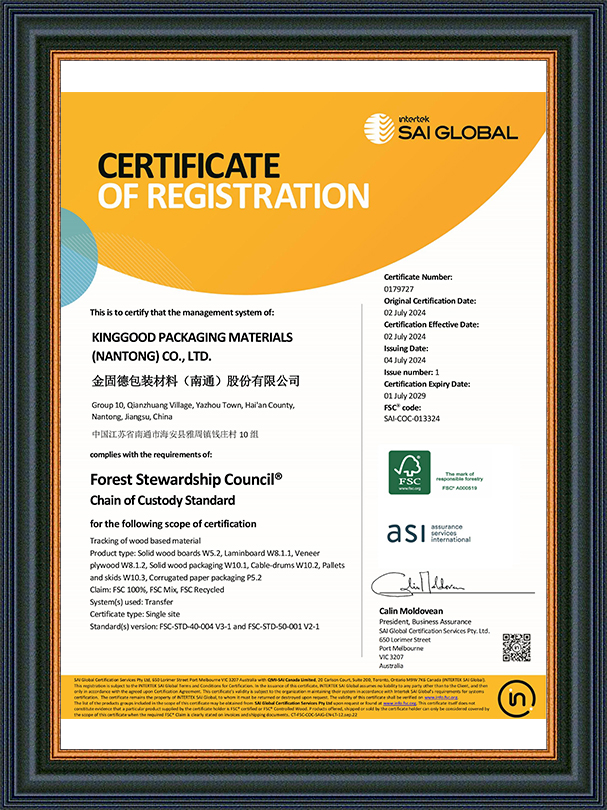
Certificate Of Honor
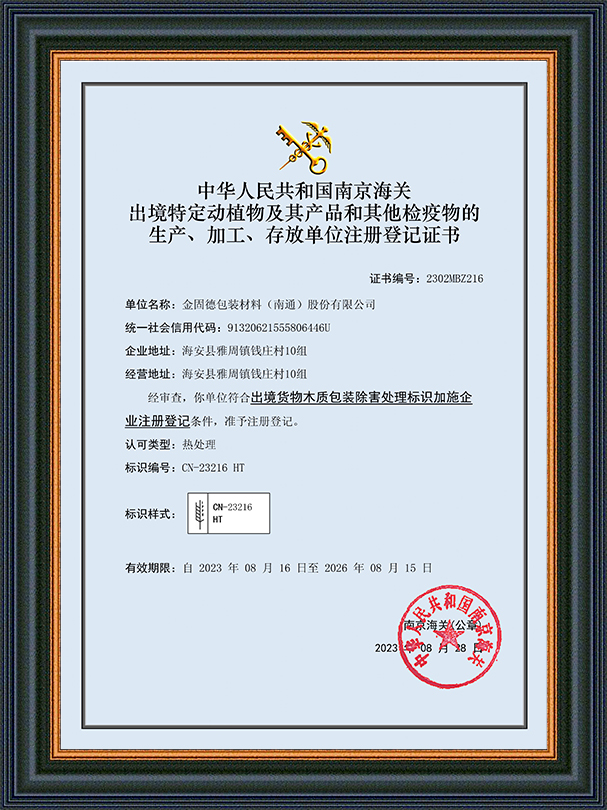
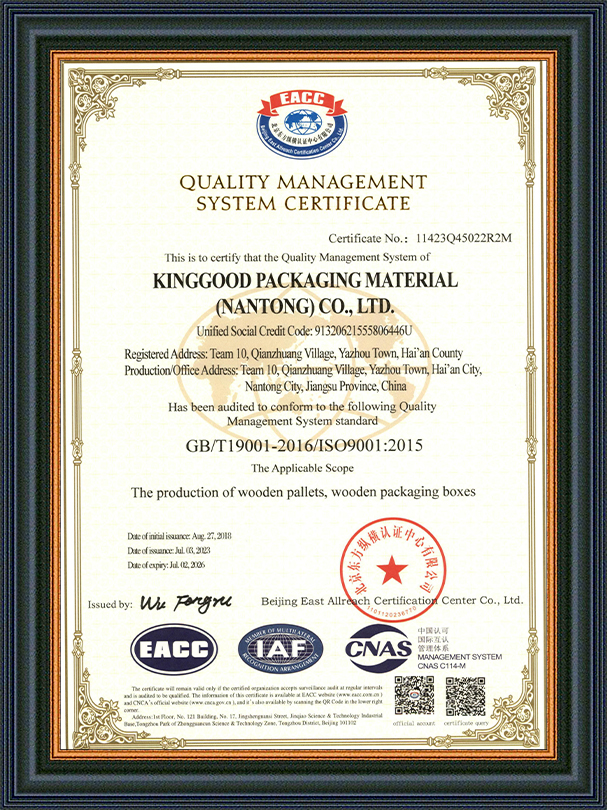
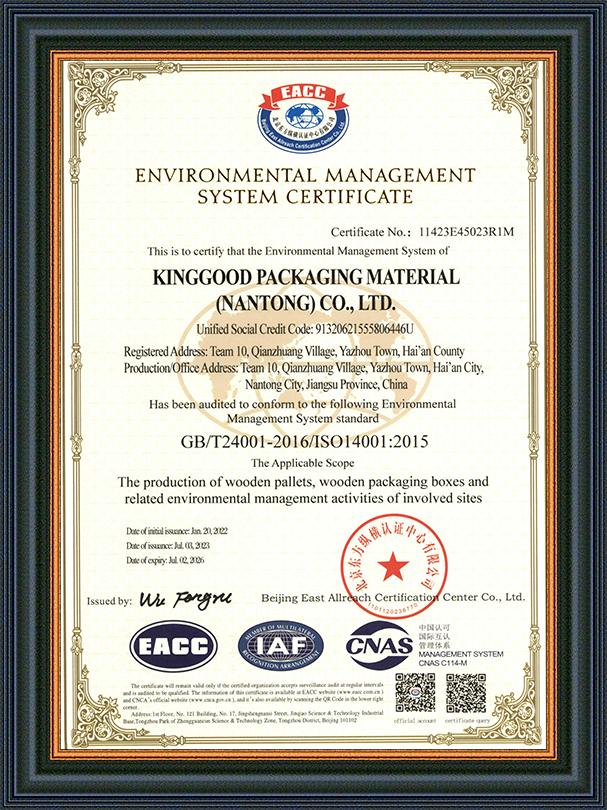
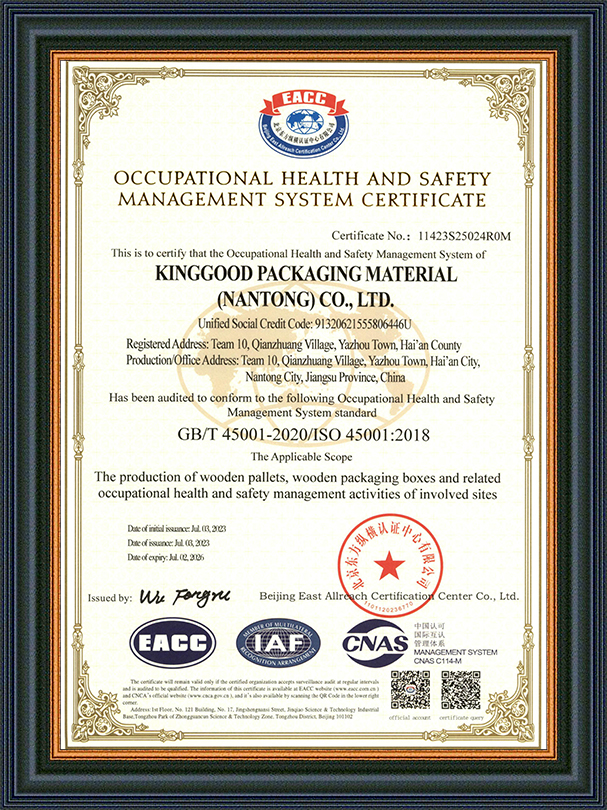

Latest Articles

Plywood Wood Boxes Industry knowledge
Why Plywood Wood Boxes Balance Strength and Efficiency
Plywood wood boxes have become a preferred packaging format for exporters who need full enclosure and structural protection without the added weight and cost of solid-timber crating. Built from layered plywood panels rather than single-plank boards, these boxes offer a smooth, uniform surface, consistent wall thickness, and dependable strength across large production runs, making them practical for both machinery components and mid-weight industrial goods.
The practical benefits of choosing plywood wood boxes include:
- Better resistance to warping and splitting than solid boards, thanks to the alternating grain direction of each veneer layer.
- Full enclosure that protects against dust, light moisture, and physical impact during multi-stage handling.
- Lighter overall weight compared with solid timber boxes of similar strength, helping control freight cost.
- Smooth, uniform panel dimensions that simplify stacking, labeling, and automated handling.
How Plywood Wood Boxes Are Constructed for Durability
Cross-Grain Panel Layering
Plywood panels are built from multiple thin veneer sheets glued together with each layer's grain running perpendicular to the one beneath it. This cross-grain construction distributes stress across two directions at once, giving plywood significantly better resistance to cracking and dimensional change than a single solid plank of comparable thickness.
Frame and Panel Assembly
A typical plywood box combines a light internal timber frame with plywood panels fastened to the outside, giving the structure both rigidity and full coverage. The frame carries the primary load-bearing stress at the corners and base, while the panels distribute surface pressure evenly and seal the box against dust and light moisture.
Sealing and Fastening Details
Panel joints are typically overlapped or reinforced with battens to prevent gaps from opening under vibration, and screws or ring-shank nails are used at fastening points to resist loosening during repeated handling. Careful attention to seam placement also reduces the entry points where moisture could otherwise reach the cargo inside.
Choosing the Right Plywood Grade for Your Box
Not all plywood is built to the same standard, and matching panel grade to cargo requirements helps avoid both under-protection and unnecessary cost.
| Plywood Grade | Typical Panel Thickness | Best Suited For |
|---|---|---|
| Light-duty export panel | 6-9 mm | Cartons, light components |
| Standard industrial panel | 12-15 mm | General machinery parts |
| Heavy-duty reinforced panel | 18 mm and above | Dense or high-value equipment |
Plywood wood boxes used in international shipments generally fall under the ISPM 15 phytosanitary standard, which requires heat treatment or fumigation of the wood before export. Boxes already treated to this standard can pass through customs without additional inspection, simplifying export procedures for time-sensitive shipments.
Frequently Asked Questions About Plywood Wood Boxes
Q1: How are plywood wood boxes different from solid wood crates?
Plywood boxes use layered, cross-grain panels that resist warping and reduce overall weight, while solid wood crates use single-plank timber sections that offer higher raw strength but at greater weight and material cost.
Q2: What plywood thickness is appropriate for machinery packaging?
Thickness generally scales with cargo weight and value, with lighter 6-9 mm panels suited to cartons and light components, and 18 mm or thicker panels reserved for dense or high-value equipment.
Q3: Do plywood boxes need export treatment before shipping internationally?
Yes, plywood wood boxes generally require ISPM 15 heat treatment or fumigation before export, the same requirement that applies to most other wood-based packaging.
Q4: Can plywood boxes protect cargo from moisture during ocean freight?
With properly sealed panel joints and reinforced battens, plywood boxes offer solid protection against light moisture and humidity fluctuations, though extremely wet conditions may call for additional wrapping or coating.
Durable Plywood Wood Boxes Built to Order
Headquartered in Yazhou Town, Hai'an, Nantong, King Good Packaging Materials (Nantong) Co., Ltd. operates processing facilities across multiple regions, including Taizhou, Fengxian in Shanghai, Wuhan, Dongguan, Kunshan, and Beilun in Ningbo, producing plywood wood boxes alongside solid wood crates, wooden pallets, and packaging boards. With strict, stage-by-stage production control and export-grade panels that can be shipped directly without additional inspection, the company helps customers reduce potential losses during long-distance transportation while keeping export procedures straightforward.


Got Questions? Contact Us Now
-
Copyright @ King Good Packaging Materials (NanTong)Co.,Ltd. All Rights Reserved. Wholesale Plywood Wood Boxes Manufacturer Plywood Wood Boxes Company

-
Contact info.
+86-0513-88669885 +86-13813749256 13813749256@163.com Qianzhuang Village, Yazhou Town, Hai'an City, Nantong City, Jiangsu Province, China - About KINGGOOD Packaging Series Industry Solutions OEM Service News Contact