

 English
 中文简体
中文简体 Español
King Good Packaging Materials (NanTong)Co.,Ltd. is a Custom High Quality International Standard Plywood Pallet Supplier and High Quality International Standard Plywood Pallet Factory, committed to becoming a national OEM manufacturer of wood products packaging, specializing in the design, development and production of wood products. It has processing factories of different scales in Taizhou, Jiangsu Province, Fengxian, Shanghai, Wuhan, Hubei Province, Dongguan, Guangdong Province, Kunshan, Jiangsu Province and Beilun, Ningbo. The company's headquarters is located in Yazhou Town, Haian City, Nantong City. Since the establishment of the factory, it has newly introduced wood processing machinery and supporting equipment, and has technicians with many years of rich experience. It strictly controls each production procedure and ensures quality and quantity with proficient skills. We have formed a complete chain covering production, after-sales service and on-site packaging. Our perfect service has won high praise from many enterprises.
Based on raw materials such as fir, pine, miscellaneous wood, plywood and particleboard, KingGood can customize different products according to development to avoid unnecessary losses during long-distance transportation. Main products: Packaging boards, multi-layer boards, (for export and domestic use) wooden pallets. Wooden crates, pallet boards, front boards, and side board wooden crates (plywood, pallets, and packaging boxes can be exported directly without inspection, saving you a lot of cumbersome procedures) can provide packaging for extra-large mechanical equipment. Our company adheres to the principle of keeping promises, achieving mutual benefit and win-win results, getting along harmoniously, doing things with dedication, and providing excellent service. Ensure the company's continuous and stable development.


High Quality International Standard Plywood Pallet
Home / Packaging Series / Pallet / Plywood Pallet / High Quality International Standard Plywood Pallet
All Products
High Quality International Standard Plywood Pallet Supplier
information to be updated
About KINGGOOD
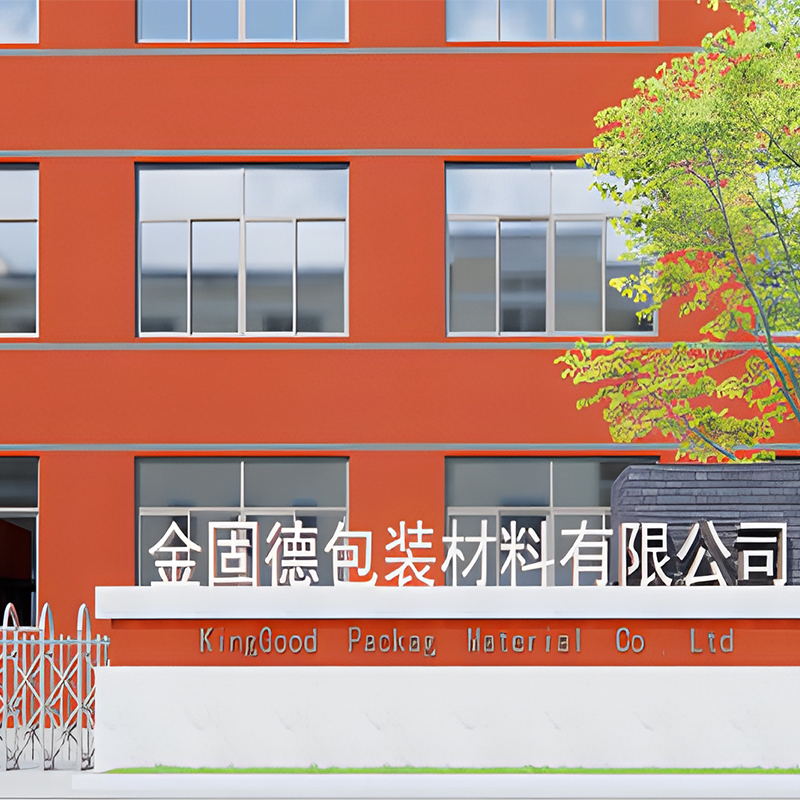
King Good Packaging Materials (NanTong)Co.,Ltd.
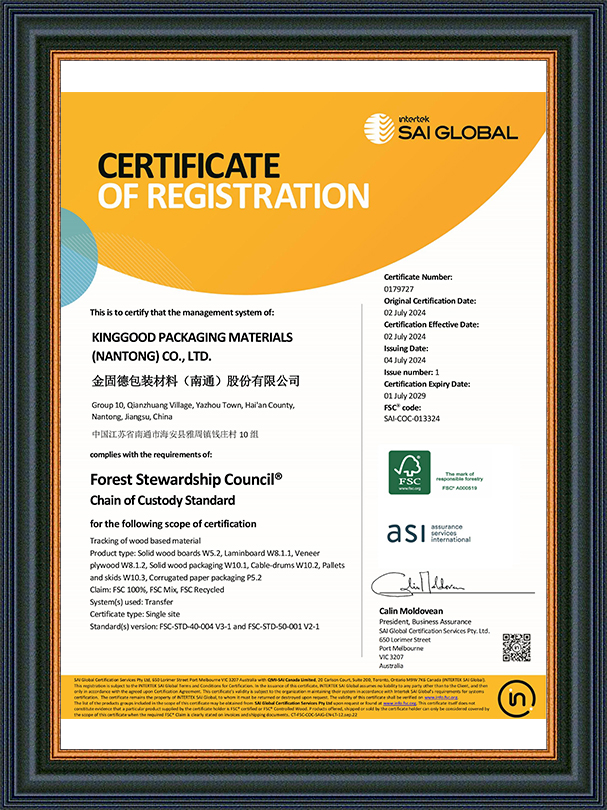
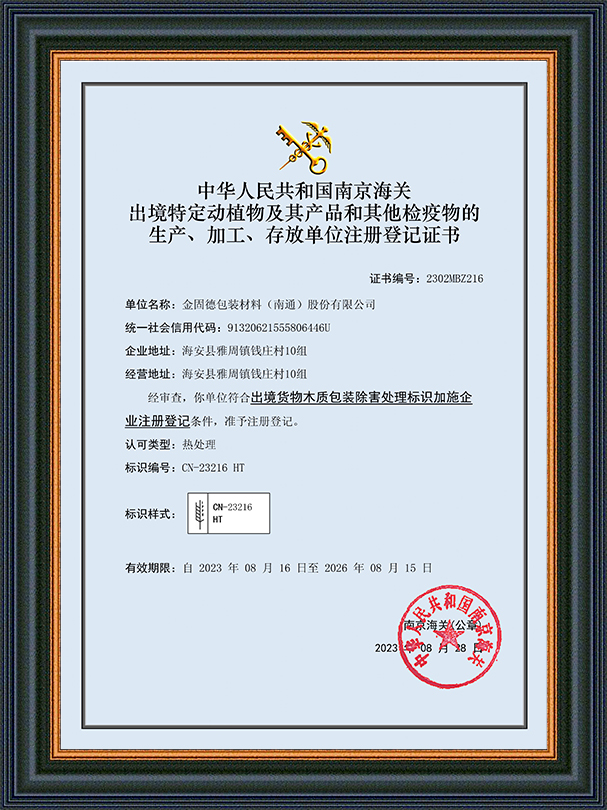
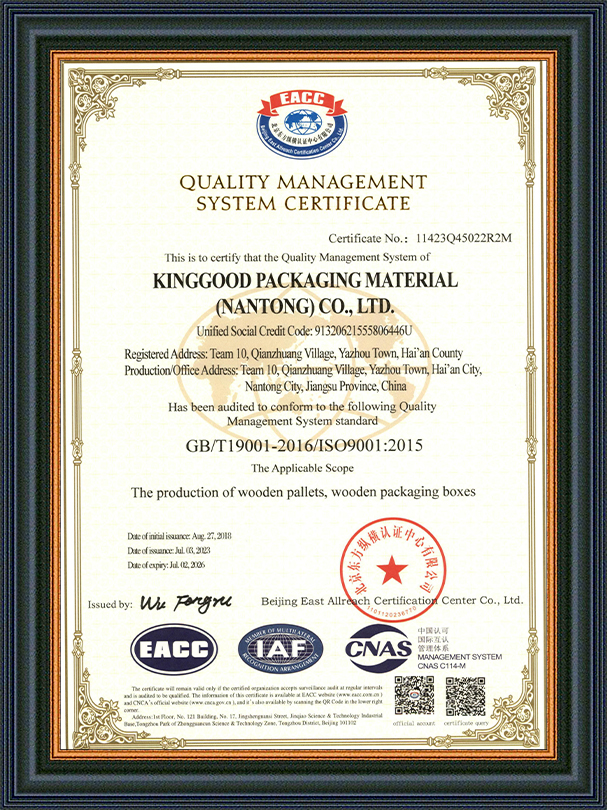
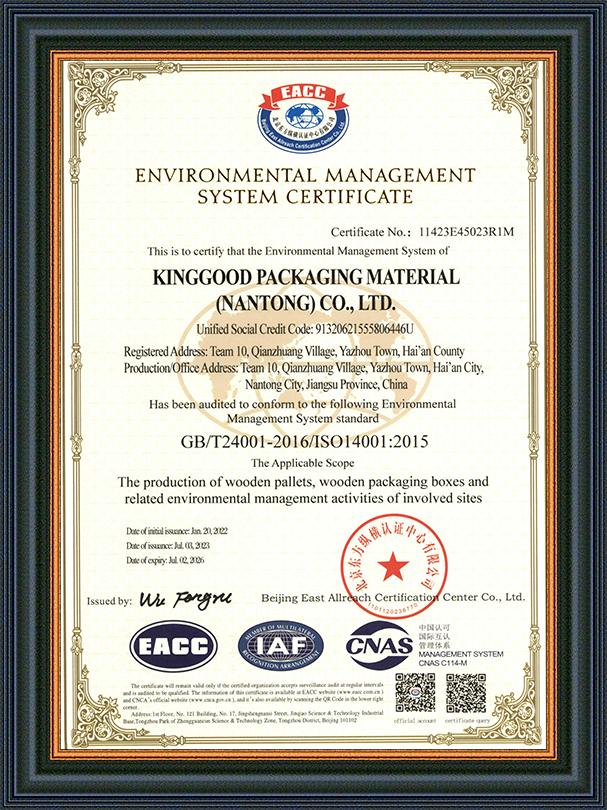
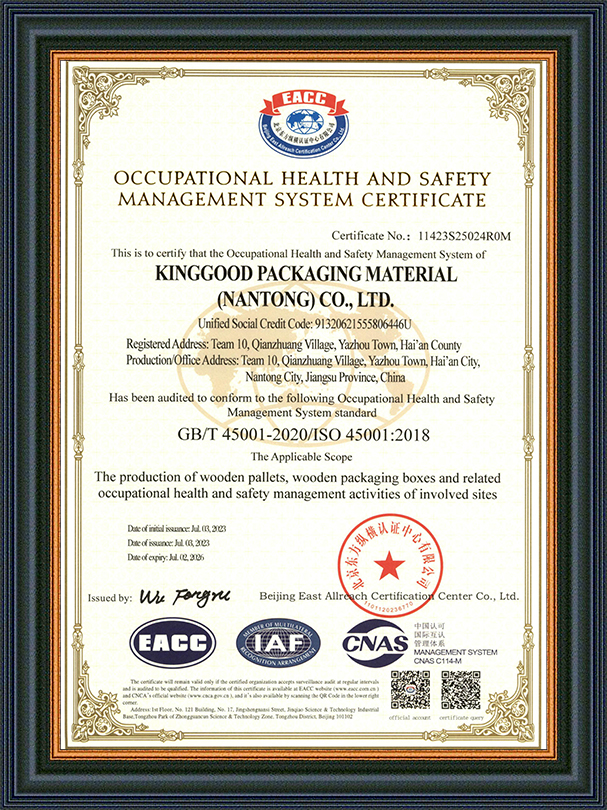
Certificate Of Honor

Latest Articles

High Quality International Standard Plywood Pallet Industry knowledge
What Sets a High Quality International Standard Plywood Pallet Apart
A High Quality International Standard Plywood Pallet combines the dimensional stability of laminated wood veneer with construction tolerances built to satisfy widely recognized international freight requirements. Unlike a basic solid-board pallet, the plywood decking on these pallets is engineered from cross-layered veneer sheets, giving the surface a smooth, uniform strength profile across its entire span rather than depending on the grain quality of a single board.
For companies exporting goods that pass through multiple handling points, choosing a plywood pallet built to consistent international quality standards reduces the risk of deck failure, splintering, or dimensional mismatch with container and warehouse racking systems.
How These Pallets Are Engineered for Consistent Quality
Multi-Layer Veneer Construction
The plywood deck is built from an odd number of thin veneer layers bonded with cross-grain orientation under controlled heat and pressure, which distributes load stress evenly and prevents the warping that can occur with solid sawn boards exposed to changing humidity during ocean transit.
Quality Control and Dimensional Tolerance
High quality manufacturing requires tight control over panel thickness, adhesive bonding strength, and stringer alignment. A well-manufactured plywood pallet built to international standard typically supports a static load of 1,000-1,500 kg while maintaining a lighter overall weight than a comparable solid wood pallet.
Key Advantages of a High Quality Plywood Pallet
- Consistent load-bearing performance across every unit in a production batch
- Smooth, splinter-resistant deck surface that protects packaged goods from puncture damage
- Lighter weight than solid wood pallets of comparable strength, reducing freight costs
- Strong resistance to warping and moisture damage during long-distance ocean freight
- Compatibility with international container dimensions and warehouse racking systems
These characteristics make high quality plywood pallets a dependable choice for exporters who need predictable performance across large-volume international shipments.
Quality Grades That Affect Plywood Pallet Performance
Not every plywood pallet is manufactured to the same quality tier, and matching the correct grade to the cargo type prevents both overspending and underperformance.
| Quality Tier | Deck Thickness | Recommended Use |
|---|---|---|
| Standard Grade | 12-15 mm | General light to medium cargo |
| High Quality International Grade | 15-18 mm | Export shipments requiring consistent strength |
| Heavy-Duty Grade | 18-21 mm | Heavy machinery and industrial equipment |
| Custom Grade | Made to order | Oversized or irregular loads |
Export Handling Advantages for Plywood Pallets
Because plywood is a manufactured wood product rather than raw solid timber, high quality plywood pallets generally fall outside the scope of the ISPM 15 phytosanitary treatment requirement that applies to solid wood packaging materials. This distinction allows plywood pallets built to international standard to often be shipped directly without the heat treatment or fumigation inspection required for solid wood pallets, simplifying customs clearance across multiple destination markets.
Buyers should still confirm specific import requirements with their destination country, as some regions apply additional review to manufactured wood packaging depending on adhesive type and origin.
Custom High Quality International Standard Plywood Pallets
Headquartered in Yazhou Town, Hai'an, Nantong, King Good Packaging Materials (Nantong) Co., Ltd. operates processing facilities across Taizhou, Fengxian, Wuhan, Dongguan, Kunshan, and Beilun, using fir, pine, miscellaneous wood, plywood, and particleboard to manufacture high quality international standard plywood pallets alongside wooden crates, cushion boards, front boards, and edge boards. Every production procedure is strictly controlled to ensure consistent quality, and export-grade plywood pallets can be shipped directly without additional inspection, simplifying export procedures for businesses handling oversized machinery and equipment.
Frequently Asked Questions
Q1: What makes a plywood pallet "high quality" compared to a standard one?
High quality construction involves tighter control over veneer bonding strength, panel thickness consistency, and stringer alignment, resulting in more predictable load performance across every unit.
Q2: How much weight can this pallet type support?
A well-manufactured plywood pallet built to international standard can typically support a static load of 1,000-1,500 kg depending on deck thickness and stringer design.
Q3: Do plywood pallets require ISPM 15 treatment before export?
Plywood is generally classified as a manufactured wood product and typically falls outside ISPM 15 requirements, though buyers should confirm specific rules with the destination country's customs authority.
Q4: Why choose plywood over solid wood for international pallets?
Plywood offers better resistance to warping and moisture damage during long ocean transit, along with a lighter overall weight and often simplified export procedures compared to solid wood.


Got Questions? Contact Us Now
-
-
Contact info.
+86-0513-88669885 +86-13813749256 13813749256@163.com Qianzhuang Village, Yazhou Town, Hai'an City, Nantong City, Jiangsu Province, China - About KINGGOOD Packaging Series Industry Solutions OEM Service News Contact
