

 English
 中文简体
中文简体 Español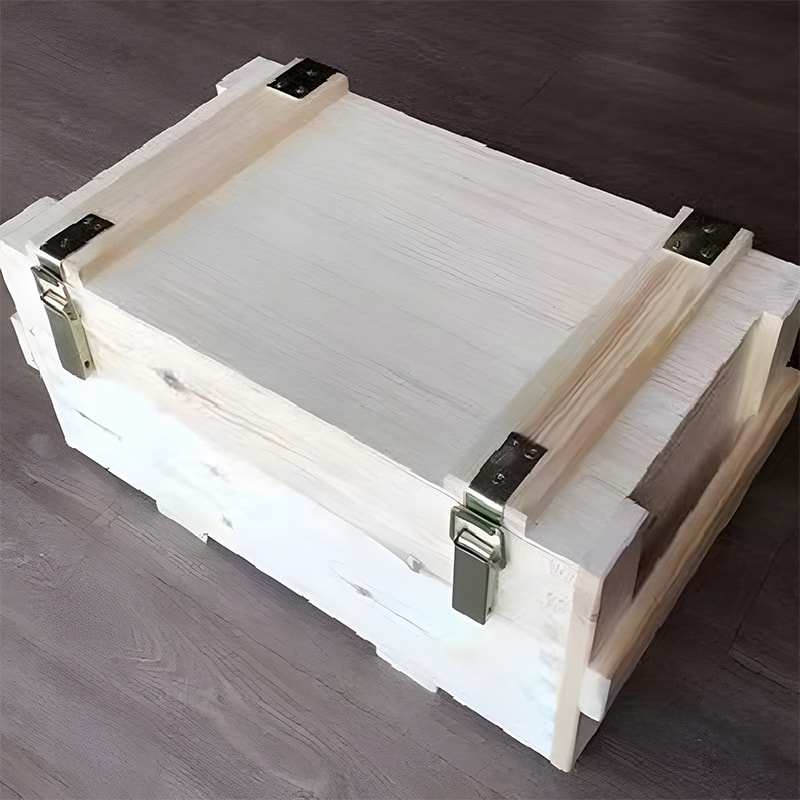
King Good Packaging Materials (NanTong)Co.,Ltd. is a Wholesale Heavy Duty Solid Wood Crates Manufacturer and Heavy Duty Solid Wood Crates Company, committed to becoming a national OEM manufacturer of wood products packaging, specializing in the design, development and production of wood products. It has processing factories of different scales in Taizhou, Jiangsu Province, Fengxian, Shanghai, Wuhan, Hubei Province, Dongguan, Guangdong Province, Kunshan, Jiangsu Province and Beilun, Ningbo. The company's headquarters is located in Yazhou Town, Haian City, Nantong City. Since the establishment of the factory, it has newly introduced wood processing machinery and supporting equipment, and has technicians with many years of rich experience. It strictly controls each production procedure and ensures quality and quantity with proficient skills. We have formed a complete chain covering production, after-sales service and on-site packaging. Our perfect service has won high praise from many enterprises.
Based on raw materials such as fir, pine, miscellaneous wood, plywood and particleboard, KingGood can customize different products according to development to avoid unnecessary losses during long-distance transportation. Main products: Packaging boards, multi-layer boards, (for export and domestic use) wooden pallets. Wooden crates, pallet boards, front boards, and side board wooden crates (plywood, pallets, and packaging boxes can be exported directly without inspection, saving you a lot of cumbersome procedures) can provide packaging for extra-large mechanical equipment. Our company adheres to the principle of keeping promises, achieving mutual benefit and win-win results, getting along harmoniously, doing things with dedication, and providing excellent service. Ensure the company's continuous and stable development.


Heavy Duty Solid Wood Crates
All Products
Heavy Duty Solid Wood Crates Manufacturer
Heavy-duty solid wood crates are the core packaging for transporting heavy and demanding industrial goods. Leveraging the natural wood fiber structure of solid wood, they offer superior compression and bending resistance compared to cardboard and plywood boxes. They can carry 5-50 tons of cargo and withstand deformation and collapse even when stacked 3-5 times for long-term storage, making them ideal for bulk storage and centralized shipping. They utilize mortise and tenon joints and nail/bolt reinforcement for good rigidity, withstanding the impact and vibration of handling during cross-border intermodal transport. With a moisture content controlled at 12%-18% and the option of additional moisture-proofing, they isolate moisture from seaborne cargo and protect sensitive goods. The 15-30mm thick crates, combined with internal cushioning, provide dual protection, reducing the risk of damage to delicate goods. Furthermore, after undergoing compliant quarantine, they are pest-free and contain no volatile chemicals, making them suitable for food ingredients, pharmaceutical intermediates, and other products requiring high packaging hygiene standards.
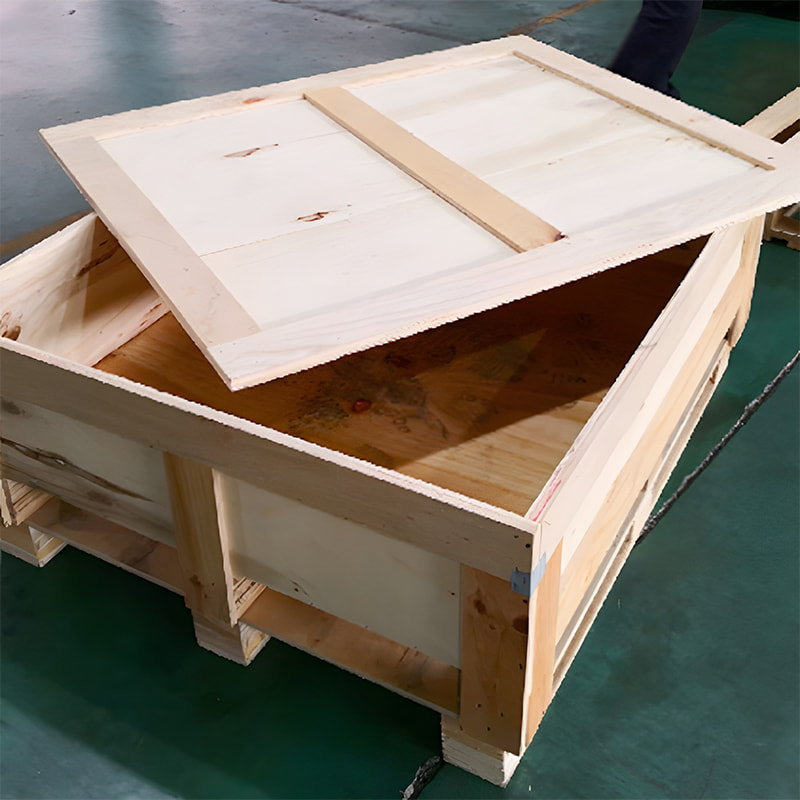
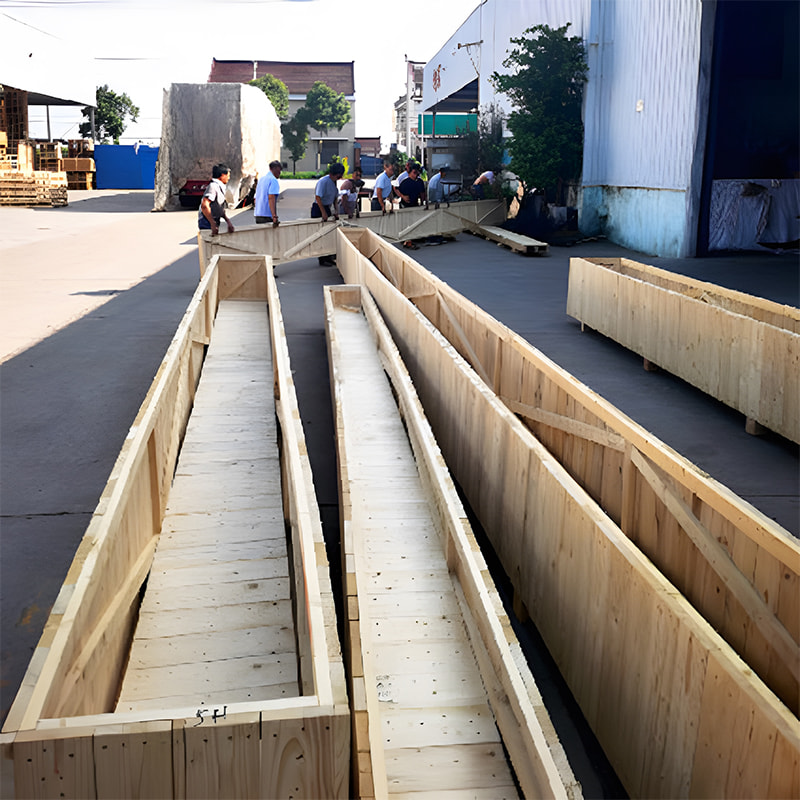
Heavy-duty solid wood crates are fully customizable. Split crates can be designed for oversized cargo like wind turbine blades and large engines, solving transportation challenges. Fitted crates can also be created for special-sized cargo to reduce sway. Customized features such as metal lugs, air vents, and removable lids can be added as needed to meet lifting, ventilation, and frequent inspection requirements. Their high hardness and wear resistance allow them to be used directly by sea, air, and rail without the need for additional protective covers. Compatible with multimodal transport, they provide safety assurance throughout the entire transportation process for heavy machinery, precision instruments, and other cargo, while reducing transportation losses and overall logistics costs.
About KINGGOOD

King Good Packaging Materials (NanTong)Co.,Ltd.
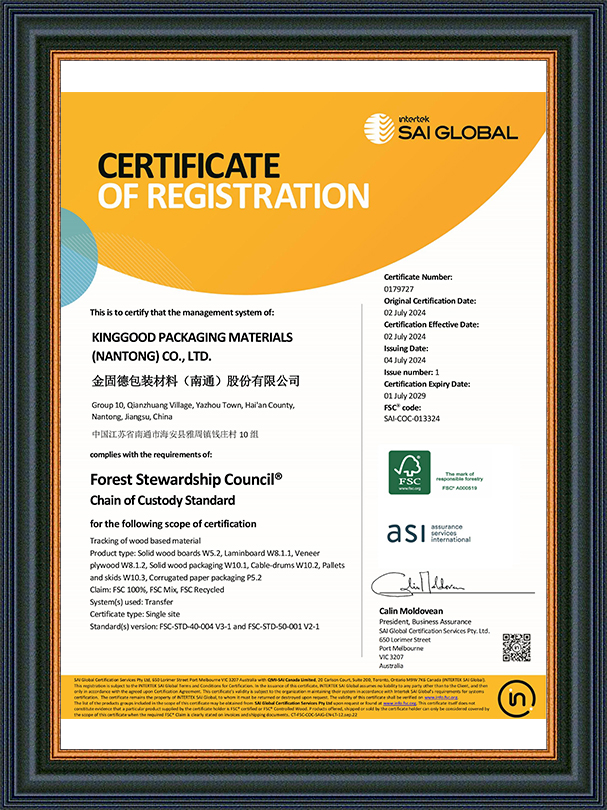
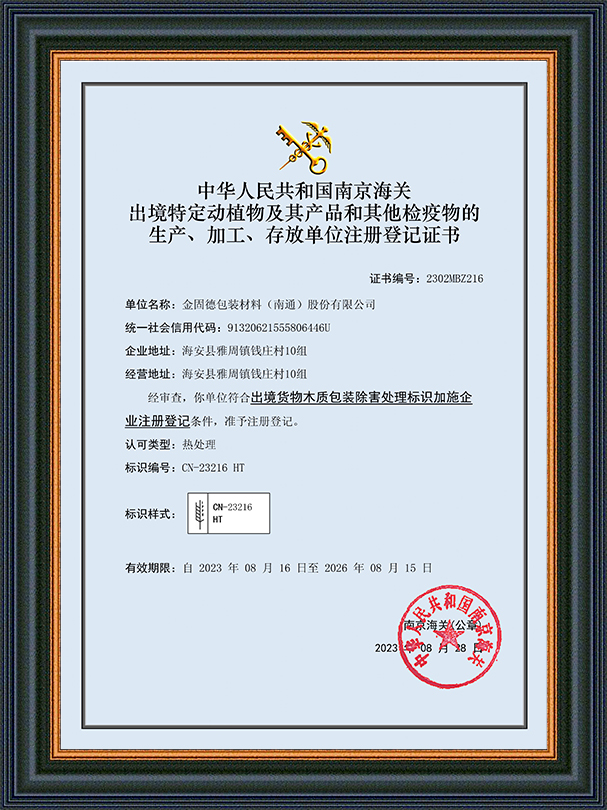
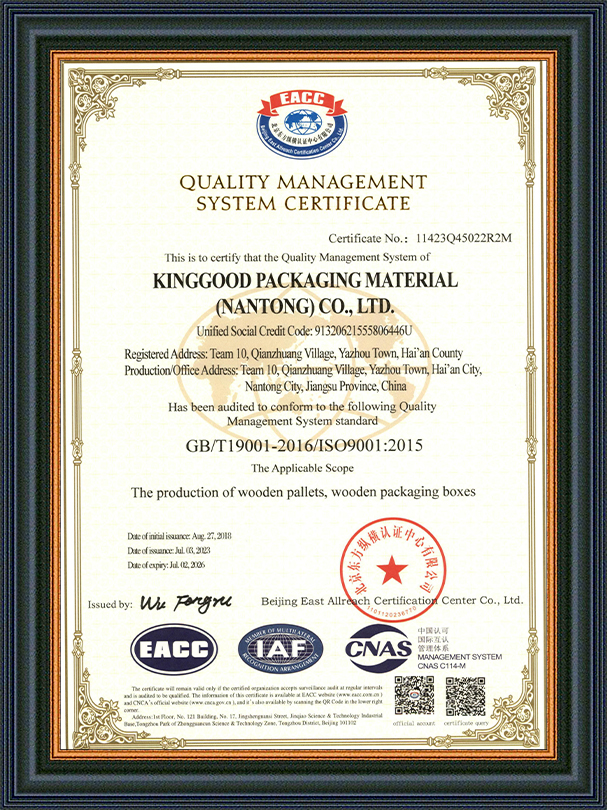
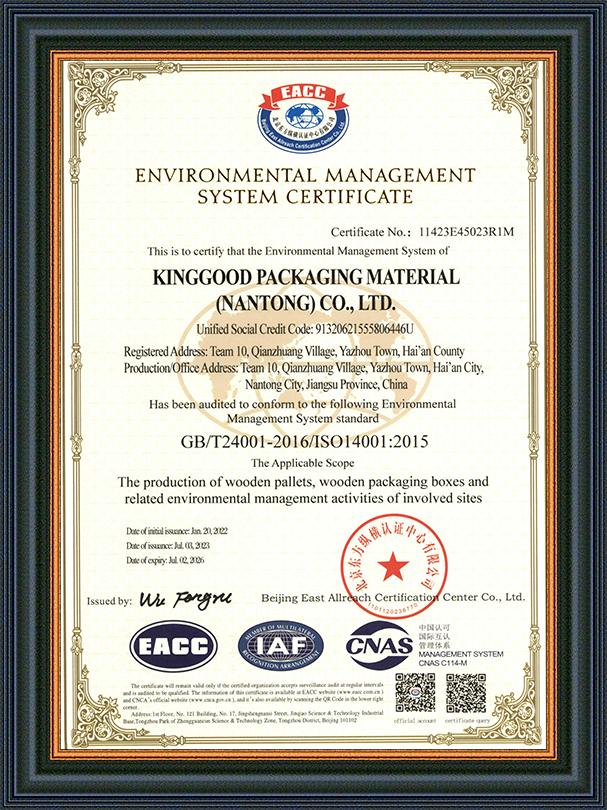
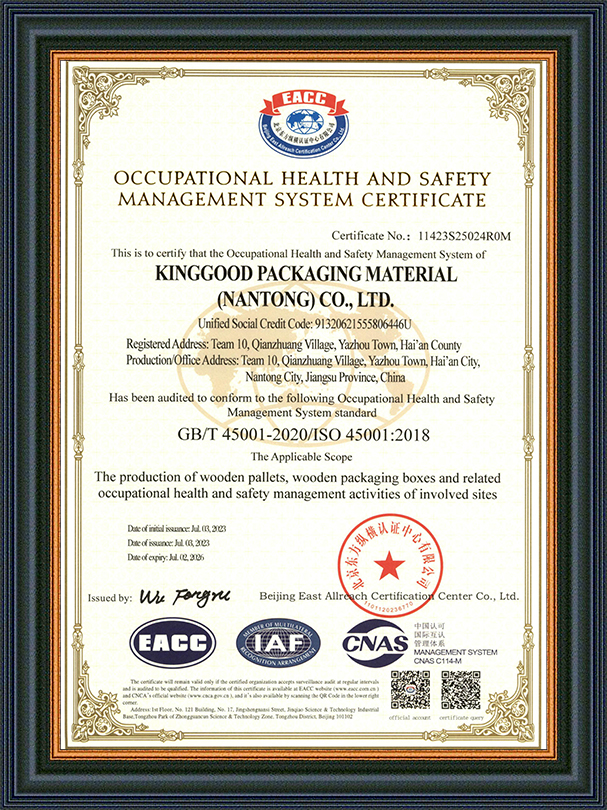
Certificate Of Honor

Latest Articles

Heavy Duty Solid Wood Crates Industry knowledge
Why Heavy Duty Solid Wood Crates Suit the Toughest Cargo
When cargo is too heavy, too valuable, or too structurally demanding for standard packaging, heavy duty solid wood crates are often the preferred choice over plywood or particleboard alternatives. Built from solid timber sections rather than layered or reconstituted panels, these crates offer a level of raw structural mass and nail-holding strength that is difficult to match with manufactured wood products, making them well suited to industrial machinery, engine blocks, castings, and other dense, high-value equipment.
The core benefits of solid wood construction for heavy duty crating include:
- Superior nail and screw holding strength compared with layered panels, reducing joint failure under repeated handling.
- High resistance to crushing and impact, important for crates that will be stacked or handled by crane.
- The ability to be repaired on site with basic tools, since solid timber sections can be cut, drilled, or reinforced locally.
- Long service life across multiple shipping cycles when properly maintained and stored.
How Solid Wood Crates Are Engineered for Maximum Load Capacity
Timber Selection and Grading
Heavy duty crates rely on dense, properly graded timber such as fir or hardwood species for the frame, skids, and corner posts. Selecting timber with minimal knots, checks, or grain defects is critical, since these weak points are where cracking and structural failure typically begin under sustained load.
Skid and Base Reinforcement
The base skid is the most heavily stressed component of a solid wood crate, bearing the full weight of the cargo while also absorbing the shock of forklift or crane lifting. Thick, continuous skid timbers running the full length of the crate distribute this load evenly and prevent the localized bending that can occur with shorter, jointed base sections.
Corner Bracing and Joint Design
Solid wood corner posts are typically through-bolted or heavily nailed at the joints, with diagonal bracing added across the frame to resist racking forces during transit. These reinforced joints are what allow a heavy duty crate to be lifted, stacked, and handled repeatedly without the frame loosening over time.
Matching Crate Strength to Cargo Weight and Handling Method
Not all heavy cargo requires the same level of reinforcement. The right specification depends on total weight, how the crate will be lifted, and how many times it will be handled before reaching its destination.
| Cargo Profile | Recommended Structure | Handling Method |
|---|---|---|
| Dense castings and metal components | Full-length solid skids | Forklift or crane lifting |
| Large stationary machinery | Reinforced corner posts and bracing | Rigging and controlled lifting |
| Repeated multi-leg shipments | Through-bolted joints for durability | Multiple loading and unloading cycles |
Solid wood crates used in international trade are generally required to comply with the ISPM 15 phytosanitary standard, which mandates heat treatment or fumigation before export. Crates pre-treated to this standard can move through customs without additional inspection, helping avoid delays for time-sensitive heavy equipment shipments.
Frequently Asked Questions About Heavy Duty Solid Wood Crates
Q1: How is a solid wood crate different from a plywood crate?
A solid wood crate uses timber sections cut directly from lumber, offering higher nail-holding strength and on-site repairability, while plywood crates use layered panels that are lighter but generally less resistant to concentrated point loads.
Q2: What timber qualities matter most for heavy duty crating?
Dense, properly graded timber with minimal knots or grain defects performs best, since these weak points are typically where cracking begins under sustained load.
Q3: Can heavy duty solid wood crates be repaired if damaged in transit?
Yes. Because solid timber can be cut, drilled, and reinforced with basic tools, damaged sections can often be repaired on site rather than requiring a full crate replacement.
Q4: Do these crates require export treatment before international shipping?
Yes, solid wood crates used in cross-border trade generally require ISPM 15 heat treatment or fumigation before they can clear customs.
Solid Wood Crates Engineered for Industrial-Scale Loads
Headquartered in Yazhou Town, Hai'an, Nantong, King Good Packaging Materials (Nantong) Co., Ltd. operates processing facilities across multiple regions, including Taizhou, Fengxian in Shanghai, Wuhan, Dongguan, Kunshan, and Beilun in Ningbo, producing heavy duty solid wood crates alongside wooden pallets, cushion boards, front boards, and edge boards. Backed by technicians with years of hands-on experience and strict, stage-by-stage production control, the company provides specialized packaging solutions for oversized machinery and equipment, helping reduce potential losses during long-distance transportation.


Got Questions? Contact Us Now
-
Copyright @ King Good Packaging Materials (NanTong)Co.,Ltd. All Rights Reserved. Wholesale Heavy Duty Solid Wood Crates Manufacturer Heavy Duty Solid Wood Crates Company

-
Contact info.
+86-0513-88669885 +86-13813749256 13813749256@163.com Qianzhuang Village, Yazhou Town, Hai'an City, Nantong City, Jiangsu Province, China - About KINGGOOD Packaging Series Industry Solutions OEM Service News Contact