

 English
 中文简体
中文简体 Español

Wood Box vs Wood Crate: Key Differences Explained
Content
- 1 Wood Box Versus Wood Crate: The Core Difference
- 2 Structural Differences Between Boxes And Crates
- 3 Why Heavy Duty Wood Crates Are Preferred For Industrial Loads
- 4 When A Solid Wood Box Is The Better Choice
- 5 Materials And Construction Methods Used In Each Format
- 6 How To Decide Between A Wood Box And A Wood Crate
- 7 Common Mistakes When Choosing Wood Packaging
- 8 Frequently Asked Questions About Wood Boxes And Wood Crates
- 8.1 What is the main difference between a wood box and a wood crate
- 8.2 Are wood crates stronger than wood boxes
- 8.3 Can a wood crate protect against moisture
- 8.4 What weight range typically requires a heavy duty crate instead of a box
- 8.5 Is it cheaper to build a box or a crate
- 8.6 Can wood boxes and wood crates both be reused
Wood Box Versus Wood Crate: The Core Difference
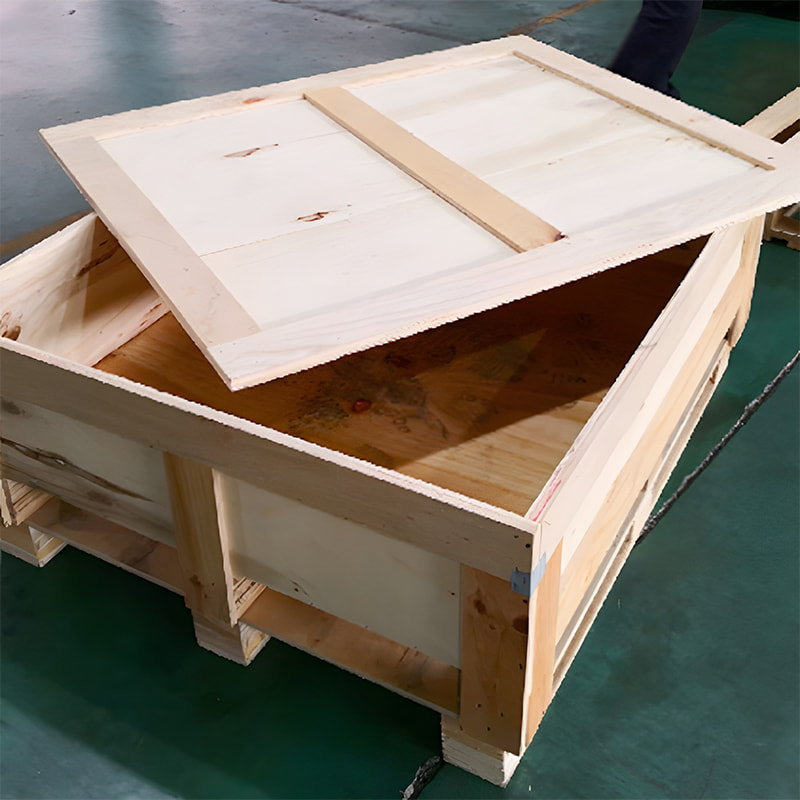
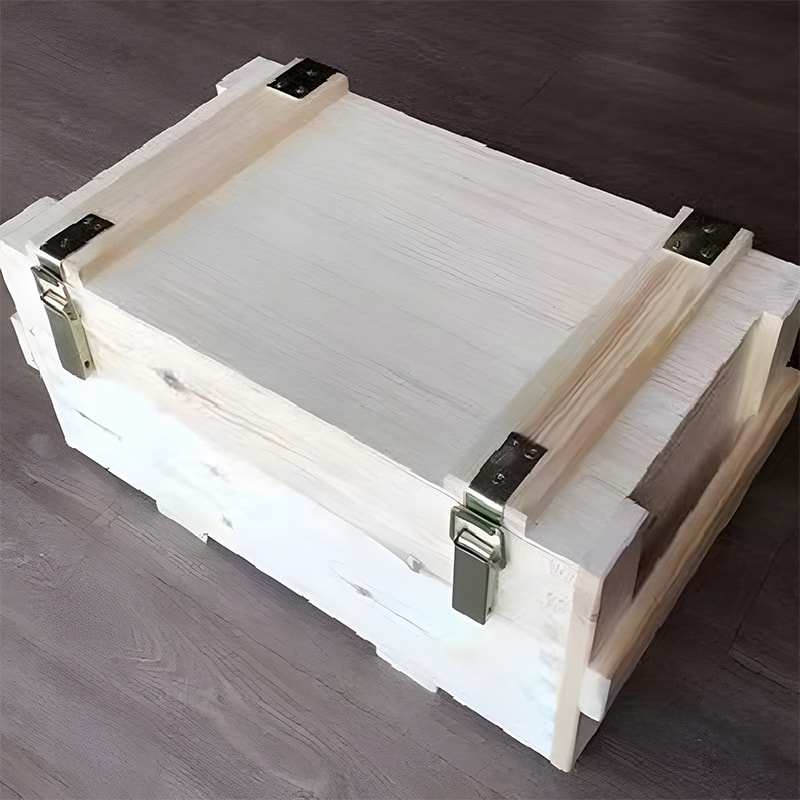
A wood box is a fully enclosed container built from solid panels on all six sides, while a wood crate is typically an open or slatted frame structure built from a skeleton of boards with gaps between them. The box relies on continuous panel surfaces for protection and rigidity, whereas the crate relies on its internal frame, cleats, and bracing to carry weight and resist impact. This structural distinction is the reason Heavy Duty Wood Crates are the default choice for heavy, oddly shaped, or irregular industrial loads, while solid wood boxes are favored for smaller items that need full enclosure and protection from dust or moisture.
Both formats fall under the broader category of wood packaging, but they solve different problems. A box protects a product by sealing it away from the environment. A crate protects a product by giving it a rigid skeleton that can absorb shock, support stacking weight, and allow ventilation around machinery, castings, or components that generate heat or need airflow.
Structural Differences Between Boxes And Crates
| Feature | Wood Box | Wood Crate |
|---|---|---|
| Panel Coverage | Fully enclosed on all sides | Open frame or slatted panels |
| Primary Support | Solid panel walls | Frame, cleats, and diagonal bracing |
| Typical Weight Range | Under 500 pounds | 500 to over 40000 pounds |
| Ventilation | Minimal to none | Open airflow between slats |
| Inspection Access | Requires opening the box | Contents often visible without opening |
| Common Use Case | Retail goods, tools, small parts | Machinery, engines, industrial equipment |
Because a crate exposes its contents through the gaps in the frame, warehouse staff and customs inspectors can often verify the load visually without breaking down the packaging, which speeds up receiving and inspection for large industrial shipments.
Why Heavy Duty Wood Crates Are Preferred For Industrial Loads
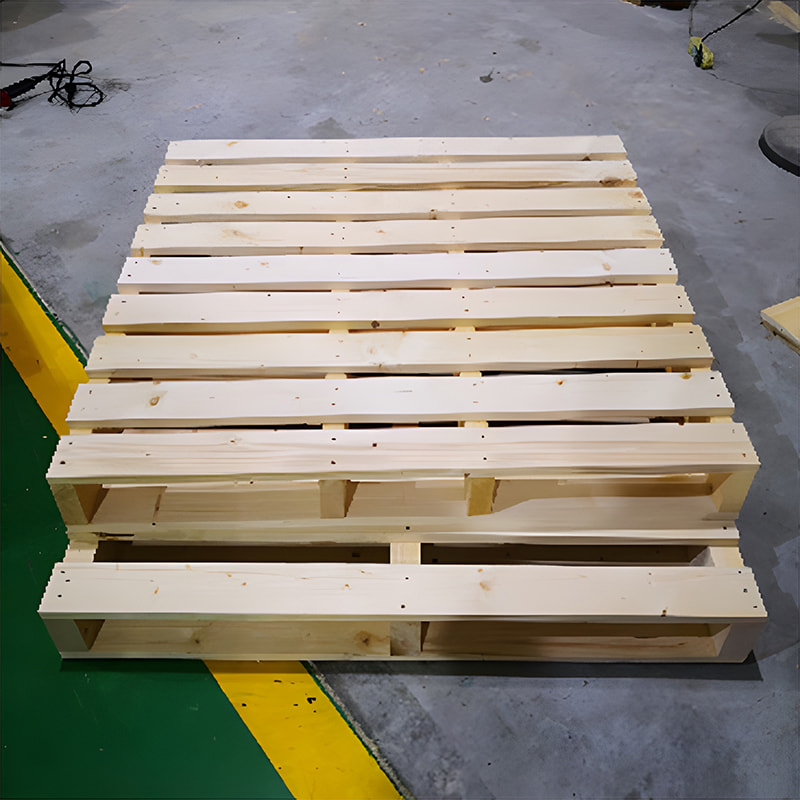
Heavy Duty Wood Crates use a reinforced frame of skids, diagonal braces, and thick cleats to distribute weight across the entire structure, which allows a single crate to safely carry loads that would crush a standard wood box built from thin panel boards.
The open slat design also reduces total material use compared to a fully paneled box of the same size, which keeps the crate lighter relative to its load capacity. This weight to strength ratio is one of the main reasons manufacturers shipping engines, transformers, pumps, and industrial machinery specify crates instead of boxes for anything beyond a few hundred pounds.
Typical Load Capacity Comparison
- Light duty wood boxes generally hold up to 150 pounds and are built from thin plywood or particle board panels.
- Standard wood crates built with dimensional lumber frames typically hold between 500 and 5000 pounds.
- Heavy Duty Wood Crates built with reinforced skids and cross bracing can carry loads ranging from 5000 pounds up to 40000 pounds or more depending on the frame lumber grade and fastener pattern.
When A Solid Wood Box Is The Better Choice
A solid wood box makes more sense when the product needs full protection from dust, moisture, light, or tampering during transit. Because every side is enclosed, a box also protects small loose components from shifting or falling out during handling.
Typical Applications For Wood Boxes
- Precision tools and instruments that require protection from dust and impact
- Retail and gift packaging where outer appearance matters
- Small electronic components sensitive to moisture
- Ammunition and hardware kits that require contained, itemized storage
In each of these cases the enclosed panel design outweighs the ventilation and weight savings a crate would offer, because protecting the surface finish or preventing small parts from separating matters more than raw load capacity.
Materials And Construction Methods Used In Each Format
Plywood Panel Boxes
Most wood boxes use plywood or oriented strand board panels fastened to a light internal frame, which keeps the structure lightweight while still fully enclosing the contents.
Dimensional Lumber Crates
Standard crates use dimensional lumber such as two by four framing members for the skids and uprights, with plywood or slatted boards forming the sides.
Reinforced Skid Frames
Heavy Duty Wood Crates typically add reinforced skid runners, diagonal corner bracing, and heavier gauge fasteners to handle concentrated point loads from machinery bases.
Hybrid Panel Crates
Some crates combine a rigid frame with solid panel sides on the bottom or lower half for extra floor support while keeping the upper sides open for ventilation and weight reduction.
How To Decide Between A Wood Box And A Wood Crate
- Estimate the total weight of the item, since anything above a few hundred pounds generally calls for a crate rather than a box.
- Consider whether the product needs to be sealed away from dust and moisture, which favors a fully enclosed box.
- Check whether the shape of the item is irregular or oversized, since a custom crate frame can be built around unusual dimensions more easily than a sealed box.
- Factor in whether customs or receiving staff need to visually inspect the load without unpacking it, which favors the open structure of a crate.
- Weigh the shipping cost impact, since a crate generally uses less material than a box of the same footprint and can reduce overall packaging weight.
Common Mistakes When Choosing Wood Packaging
Using a light duty box for a heavy machine part often leads to panel failure during transit, since thin box panels are not designed to carry concentrated point loads the way a braced crate frame is.
Choosing an open crate for moisture sensitive goods can expose the product to humidity and dust, which is a common oversight when teams default to crates purely for cost savings without considering the product itself.
Underbuilding the skid and bracing on a heavy crate creates a structure that looks adequate but fails under actual load, which is why Heavy Duty Wood Crates intended for machinery should always use reinforced skids matched to the item weight.
Frequently Asked Questions About Wood Boxes And Wood Crates
What is the main difference between a wood box and a wood crate
A wood box is fully enclosed on all sides while a wood crate is an open or slatted frame structure, which means the box relies on solid panels for protection and the crate relies on its internal frame for strength.
Are wood crates stronger than wood boxes
For heavy or industrial loads, yes, because a crate distributes weight through a reinforced frame and skid system, allowing Heavy Duty Wood Crates to carry far more weight than a standard panel box of similar size.
Can a wood crate protect against moisture
A standard open crate offers limited moisture protection because of the gaps between boards, so a barrier liner or wrap is often added inside the crate when the contents need protection from humidity.
What weight range typically requires a heavy duty crate instead of a box
Most packaging suppliers recommend moving to a heavy duty crate once an item exceeds a few hundred pounds, since standard box panels are not built to support concentrated weight from machinery or dense equipment.
Is it cheaper to build a box or a crate
A crate generally uses less lumber than a fully paneled box of the same size because of its open frame design, which often makes crates the more material efficient option for large or heavy shipments.
Can wood boxes and wood crates both be reused
Yes, both formats can be reused multiple times if handled carefully during unpacking, and heavy duty crates in particular are often designed for return trips in closed loop industrial shipping programs.


Got Questions? Contact Us Now
-
Copyright @ King Good Packaging Materials (NanTong)Co.,Ltd. All Rights Reserved. Custom Wooden Packaging Solutions Manufacturer OEM Industrial Packaging Solutions Factory

-
Contact info.
+86-0513-88669885 +86-13813749256 13813749256@163.com Qianzhuang Village, Yazhou Town, Hai'an City, Nantong City, Jiangsu Province, China - About KINGGOOD Packaging Series Industry Solutions OEM Service News Contact