

 English
 中文简体
中文简体 Español

What items should never be stored in cardboard boxes?
Content
- 1 Items That Should Never Go In Cardboard Boxes
- 2 Item Categories That Damage Easily In Cardboard Boxes
- 3 Why Moisture Is The Biggest Threat To Cardboard Storage
- 4 Chemicals And Flammable Items Do Not Belong In Cardboard
- 5 Fragile And High Value Items That Need More Than Cardboard
- 6 How To Decide If Cardboard Is Still A Safe Choice
- 7 Common Mistakes People Make With Cardboard Storage
- 8 Frequently Asked Questions About Cardboard Box Storage
- 8.1 What items should never be stored in cardboard boxes
- 8.2 Is it safe to store clothes in cardboard boxes long term
- 8.3 Can cardboard boxes attract pests
- 8.4 Why does cardboard lose strength when it gets wet
- 8.5 Are Cardboard Boxes still fine for short distance moving
- 8.6 What is a better alternative for long term storage of valuables
Items That Should Never Go In Cardboard Boxes
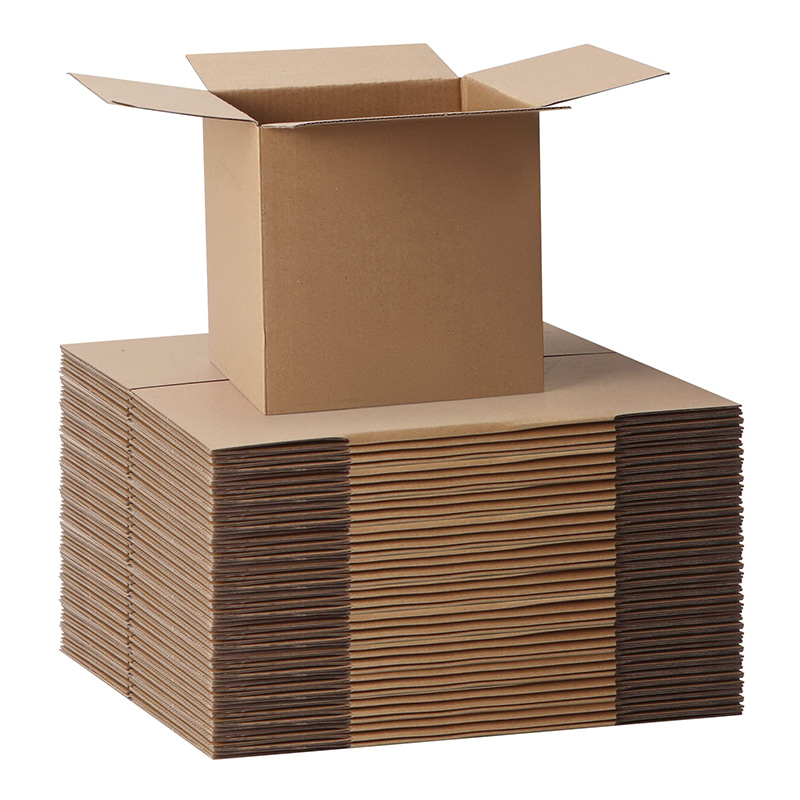
Moisture sensitive documents, valuable metals, perishable food, chemicals, and anything highly flammable should never be placed inside standard Cardboard Boxes for storage or long term shipping. Cardboard is a paper based material that absorbs humidity, offers no real barrier against pests, and loses structural strength once it gets wet, which makes it a poor choice for anything that needs a sealed, rigid, or climate controlled environment. Corrugated cardboard is excellent for lightweight household goods, books, and short term shipping, but it fails quickly under the wrong storage conditions.
Understanding exactly which categories of items are unsuitable for cardboard helps households avoid ruined belongings during a move and helps businesses avoid damaged inventory during warehousing or transit.
Item Categories That Damage Easily In Cardboard Boxes
| Item Category | Main Risk | Better Alternative |
|---|---|---|
| Important paper documents | Moisture damage and mold growth | Sealed plastic bins or fireproof document boxes |
| Fine jewelry and valuables | Theft risk and easy crushing | Lockable metal or hard plastic cases |
| Perishable food | Pest attraction and spoilage | Sealed containers or insulated coolers |
| Household chemicals | Leaks soaking through cardboard walls | Original sealed plastic containers in a bin |
| Firearms and ammunition | Poor security and moisture exposure | Hard cases designed for secure storage |
| Electronics without original packaging | Static discharge and impact damage | Anti static bags inside a padded hard case |
Each of these categories shares a common weakness when placed in cardboard, either the material cannot block moisture, cannot resist crushing weight, or cannot provide the security a valuable item needs during storage or transit.
Why Moisture Is The Biggest Threat To Cardboard Storage
Corrugated cardboard is made from layered paper fibers, and once those fibers absorb humidity from a damp basement, garage, or storage unit, the box loses a large share of its stacking strength and can collapse under its own contents within days.
Paper documents, photographs, and fabric items stored in cardboard for months in a humid environment are especially prone to mold growth and permanent staining, since cardboard offers no vapor barrier at all. Items that must survive long term storage in a garage, attic, or storage unit are far better protected in sealed plastic totes with locking lids, which keep humidity and pests away from the contents.
Signs That Cardboard Has Already Failed
- A musty smell coming from the box or its contents after a period of storage
- Soft, bulging, or warped cardboard walls that were previously flat and rigid
- Visible water stains or discoloration on the outer surface of the box
- Small holes or chew marks suggesting pest activity inside the box
Chemicals And Flammable Items Do Not Belong In Cardboard
Cleaning products, paint, solvents, and anything flammable should never be packed loose into cardboard boxes because a leak or spill will soak straight through the paper walls and can damage everything stacked nearby. Cardboard also provides no fire resistance, which matters for anything stored near a water heater, furnace, or garage electrical panel.
Safer Storage Approaches For Household Chemicals
- Keep chemical containers in their original sealed packaging whenever possible
- Place sealed containers inside a rigid plastic bin rather than a cardboard box
- Store flammable liquids away from heat sources and direct sunlight
- Keep chemical storage separate from food, documents, and fabric items
These steps prevent a single leaking bottle from ruining an entire stack of Cardboard Boxes and everything packed inside them.
Fragile And High Value Items That Need More Than Cardboard
Fine China and Glassware
Thin cardboard walls offer little cushioning against impact, so fragile glass and china need dedicated dividers, foam inserts, or double walled boxes rather than a single layer of standard cardboard.
Musical Instruments
Instruments are sensitive to both humidity and impact, and a hard shell case with padded interior protects the wood, strings, or finish far better than a cardboard shipping box.
Fine Art and Framed Pieces
Artwork and framed pieces can warp or crack in humid cardboard storage, so flat art boxes combined with moisture barrier wrap offer much better long term protection.
Antiques and Heirlooms
Older wood furniture and heirlooms often have fragile joints or finishes that react poorly to humidity swings, making climate controlled storage a better fit than a garage full of cardboard.
How To Decide If Cardboard Is Still A Safe Choice
- Check whether the storage location has any risk of humidity, flooding, or temperature swings before choosing cardboard.
- Consider how long the item will remain packed, since cardboard performs reasonably well for short term moves but poorly for storage lasting many months.
- Weigh the value of the item against the cost of a proper sealed container, since a small plastic bin is inexpensive compared to replacing a water damaged heirloom.
- Think about pest exposure in the storage area, since cardboard offers no resistance to rodents or insects looking for nesting material.
- Confirm the item is not flammable, corrosive, or prone to leaking before placing it loose inside cardboard packaging.
Common Mistakes People Make With Cardboard Storage
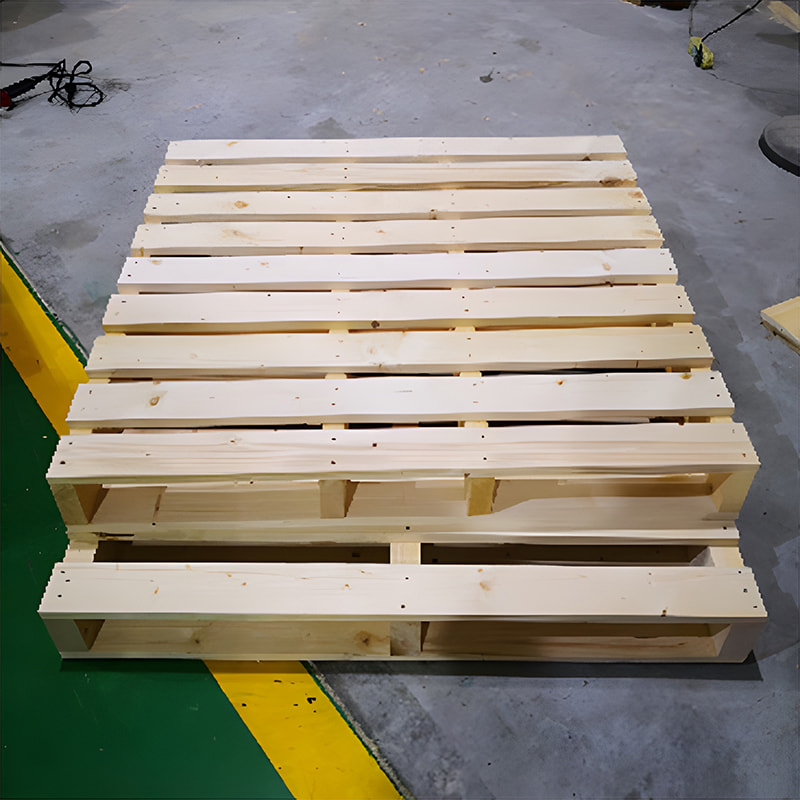
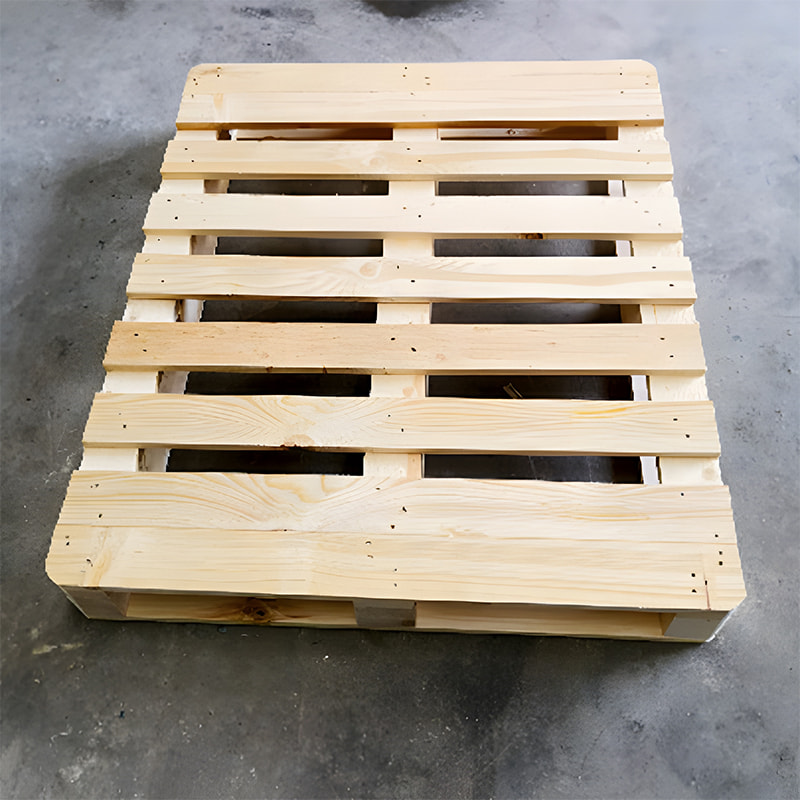
Storing boxes directly on a concrete garage floor allows moisture to wick upward into the cardboard, which is why boxes should always sit on a shelf or pallet rather than directly on concrete.
Packing food items alongside paper goods attracts pests that will chew through cardboard to reach food residue, damaging everything else stored nearby.
Stacking heavy items on top of a weakened box often leads to sudden collapse, especially once the lower box has already absorbed some humidity and lost its original stacking strength.
Frequently Asked Questions About Cardboard Box Storage
What items should never be stored in cardboard boxes
Important documents, valuables, perishable food, household chemicals, firearms, and anything flammable should not be stored loose in cardboard, since the material offers no moisture barrier, no real security, and no fire resistance.
Is it safe to store clothes in cardboard boxes long term
Short term storage is usually fine, but long term storage in a humid attic, basement, or garage can lead to mold and musty odors, so sealed plastic bins are a safer choice for clothing kept in storage for many months.
Can cardboard boxes attract pests
Yes, cardboard is made from paper fibers that rodents and insects can use for nesting material, and any food residue on the outside of a box can attract pests directly into a storage area.
Why does cardboard lose strength when it gets wet
Cardboard relies on dry paper fibers bonded together for rigidity, and once those fibers absorb moisture the bonds weaken, which is why a damp box can lose a large share of its original stacking strength within a short period of time.
Are Cardboard Boxes still fine for short distance moving
Yes, standard Cardboard Boxes remain a practical and affordable option for short term moves and shipping lightweight household goods, as long as the boxes are not exposed to rain, high humidity, or heavy stacking weight beyond their rating.
What is a better alternative for long term storage of valuables
Sealed hard plastic totes with locking lids, fireproof document boxes, and climate controlled storage units all provide much better protection for valuables than cardboard, particularly for anything sensitive to moisture, pests, or theft.




Got Questions? Contact Us Now
-
Copyright @ King Good Packaging Materials (NanTong)Co.,Ltd. All Rights Reserved. Custom Wooden Packaging Solutions Manufacturer OEM Industrial Packaging Solutions Factory

-
Contact info.
+86-0513-88669885 +86-13813749256 13813749256@163.com Qianzhuang Village, Yazhou Town, Hai'an City, Nantong City, Jiangsu Province, China - About KINGGOOD Packaging Series Industry Solutions OEM Service News Contact