

 English
 中文简体
中文简体 Español
King Good Packaging Materials (NanTong)Co.,Ltd. is a Custom Honeycomb Cardboard Boxes Manufacturer and Honeycomb Cardboard Boxes Factory, committed to becoming a national OEM manufacturer of wood products packaging, specializing in the design, development and production of wood products. It has processing factories of different scales in Taizhou, Jiangsu Province, Fengxian, Shanghai, Wuhan, Hubei Province, Dongguan, Guangdong Province, Kunshan, Jiangsu Province and Beilun, Ningbo. The company's headquarters is located in Yazhou Town, Haian City, Nantong City. Since the establishment of the factory, it has newly introduced wood processing machinery and supporting equipment, and has technicians with many years of rich experience. It strictly controls each production procedure and ensures quality and quantity with proficient skills. We have formed a complete chain covering production, after-sales service and on-site packaging. Our perfect service has won high praise from many enterprises.
Based on raw materials such as fir, pine, miscellaneous wood, plywood and particleboard, KingGood can customize different products according to development to avoid unnecessary losses during long-distance transportation. Main products: Packaging boards, multi-layer boards, (for export and domestic use) wooden pallets. Wooden crates, pallet boards, front boards, and side board wooden crates (plywood, pallets, and packaging boxes can be exported directly without inspection, saving you a lot of cumbersome procedures) can provide packaging for extra-large mechanical equipment. Our company adheres to the principle of keeping promises, achieving mutual benefit and win-win results, getting along harmoniously, doing things with dedication, and providing excellent service. Ensure the company's continuous and stable development.


Cardboard Boxes
All Products
Honeycomb Cardboard Boxes
Honeycomb cardboard boxes are made from honeycomb cardboard, consisting of two layers of high-strength surface paper and a middle honeycomb core layer. They are die-cut, bonded, and formed. Their impressive load-bearing capacity and deformation resistance make them an ideal choice for packaging medium- and heavy-duty items such as small and medium-sized home appliances, auto parts, precision instruments, and furniture accessories. They are particularly well-suited for long-term storage, stacking, or long-distance transportation. Their core advantage stems from their honeycomb structure: the honeycomb core layer, modeled after the bionic design of a honeycomb, can evenly distribute external forces throughout the box, withstand the pressure of multiple layers of stacking without collapsing. The honeycomb structure also offers impressive anti-bending properties, which can reduce deformation of the box during transportation and effectively protect valuable items within the box (such as smart appliances and optical instruments) from damage due to compression.
Honeycomb cardboard boxes demonstrate exceptional practicality in terms of functional adaptability and application scenarios. The box thickness and structure can be customized based on the weight and size of the item. For example, the "reinforced honeycomb box" designed for small refrigerators and washing machines features a thickened core and reinforced corners, making it suitable for the protective needs of long-distance transportation of home appliances. Specialized treatments are also available for specific applications, such as oil-resistant coatings for automotive parts packaging to prevent oil from penetrating the box, anti-static film lining for precision instrument packaging to prevent static interference, and removable dividers for furniture accessories packaging to facilitate the classified storage of multiple items. Furthermore, honeycomb cardboard boxes are primarily made of paper and weigh only one-third of similarly loaded wooden boxes, significantly reducing shipping costs. When not in use, they can be disassembled and stored flat, saving warehouse space. Environmentally friendly, honeycomb cardboard is recyclable, and some products are even made from waste paper pulp, aligning with the green packaging trend. Honeycomb cardboard meets the load-bearing requirements of the automotive and home appliance industries, and is also suitable for diverse applications such as e-commerce shipping of large items and corporate production turnover.
About KINGGOOD
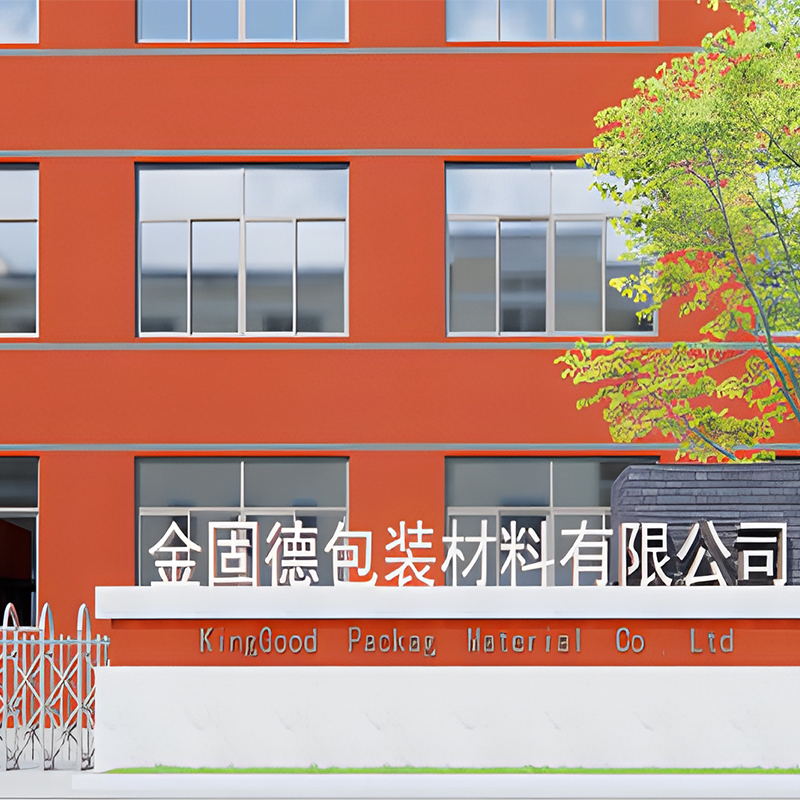
King Good Packaging Materials (NanTong)Co.,Ltd.
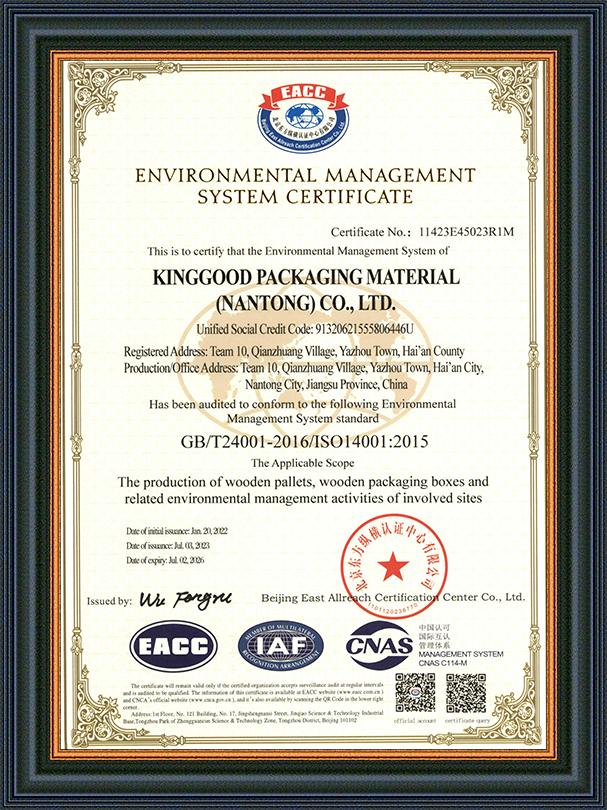
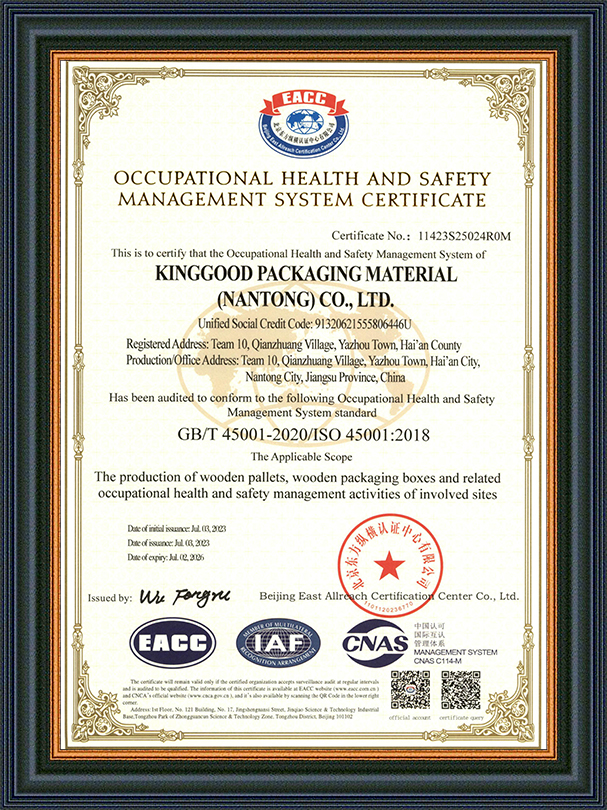
Certificate Of Honor
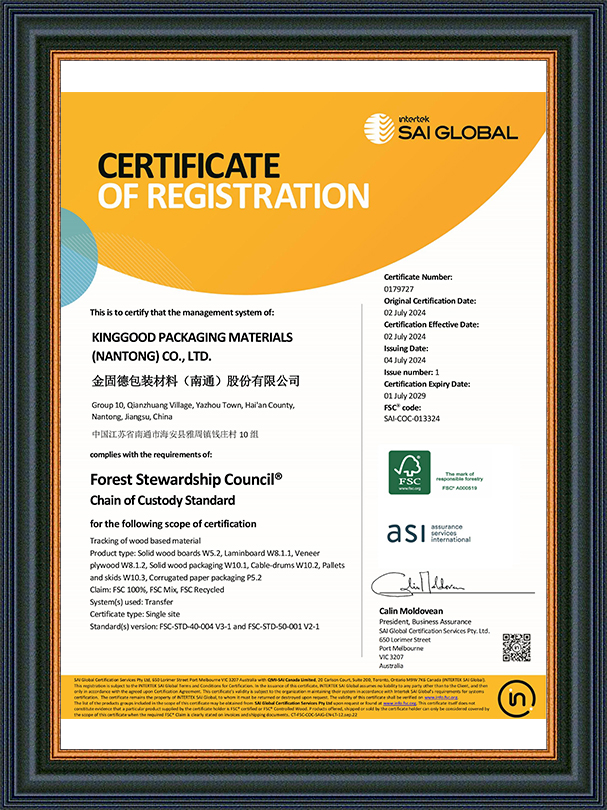
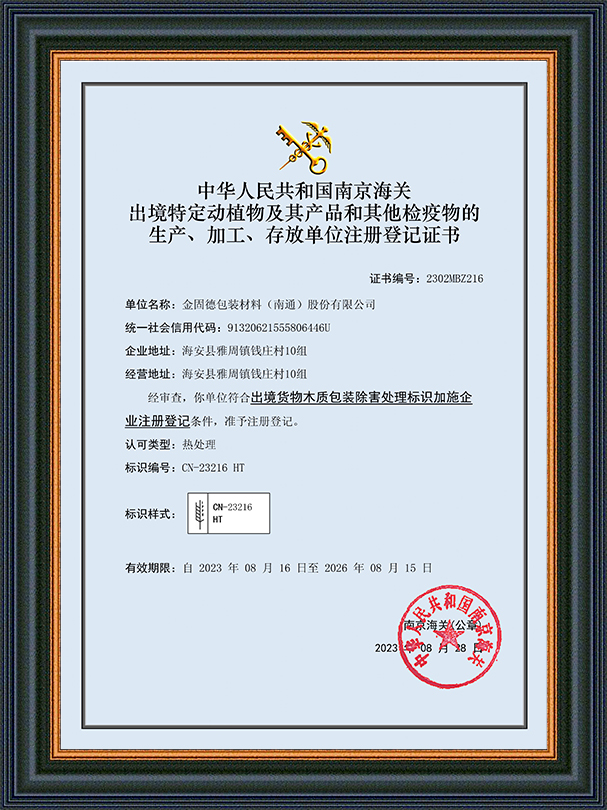
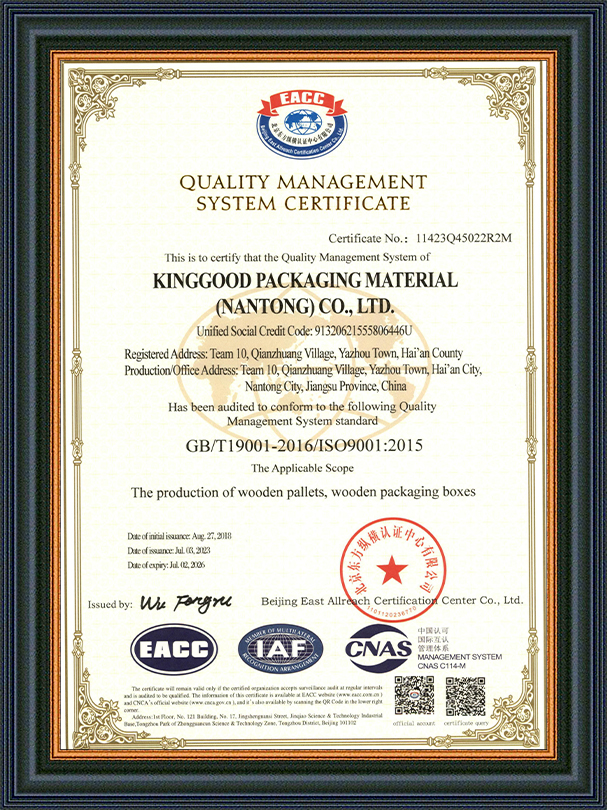

Message Feedback
Latest Articles

Cardboard Boxes Industry knowledge
What Honeycomb Cardboard Boxes Are Used For
Honeycomb Cardboard Boxes are packaging structures built from a hexagonal paper honeycomb core sandwiched between kraft liner boards, engineered to deliver high strength at a fraction of the weight of solid wood or corrugated cardboard alternatives. This structure makes them a popular choice for furniture, appliances, glass panels, and light-to-medium industrial products that require cushioning and stacking strength during storage and transport, typically supporting loads from a few kilograms up to several hundred kilograms per box depending on core density.
Key Advantages of Honeycomb Cardboard Boxes
The honeycomb structure gives these boxes performance characteristics that differ significantly from standard cardboard or wood packaging.
- Excellent strength-to-weight ratio — the hexagonal cell pattern distributes compression forces evenly, allowing high stacking strength without added bulk.
- Significantly lighter than wood or solid corrugated boxes, which helps reduce air and sea freight costs on volume-based shipments.
- Recyclable and biodegradable materials, supporting sustainability goals for export-oriented businesses.
- Good shock absorption, reducing the risk of surface damage to fragile or finished-surface products.
- Flat-pack potential before final assembly, which lowers storage space requirements compared to rigid wood crates.
How Honeycomb Cardboard Boxes Are Constructed
The overall performance of a honeycomb cardboard box depends on the core density, liner thickness, and panel bonding process.
Honeycomb Core Structure
The core is made from strips of kraft paper expanded into a hexagonal cell pattern, similar in principle to a beehive structure, which allows the material to resist compression from multiple directions while using minimal paper volume.
Liner Board Bonding
Kraft liner boards are laminated to both sides of the honeycomb core using industrial adhesive, forming a rigid flat panel. Thicker liners and higher core density increase load capacity, typically ranging from 10mm to 40mm in panel thickness for industrial packaging use.
Panel Assembly and Reinforcement
Panels are cut, scored, and folded into box shapes, with corner reinforcement or edge protectors added at stress points to prevent crushing during handling and stacking.
Honeycomb Box Specifications by Application
Core thickness and panel configuration are typically selected based on product weight and required protection level. The table below outlines general reference specifications used in packaging design.
| Box Type | Typical Core Thickness | Common Use Case |
|---|---|---|
| Light-duty honeycomb box | 10mm - 15mm | Small electronics, retail goods |
| Standard honeycomb box | 15mm - 25mm | Furniture, glass panels, appliances |
| Reinforced honeycomb box | 25mm - 40mm | Stackable industrial goods |
Choosing the Right Honeycomb Cardboard Box
Selecting the correct honeycomb cardboard box specification helps balance protection level, weight savings, and cost. Key factors to consider include the exact product weight and surface sensitivity, expected stacking height during storage, humidity exposure during transit, and whether the box needs edge protectors or internal partitions for multi-item packing.
King Good Packaging Materials (NanTong) Co., Ltd. offers a wide range of packaging solutions including honeycomb cardboard boxes, wooden crates, plywood boxes, and pallets, with production facilities located across Jiangsu, Shanghai, Hubei, and Guangdong. The company controls each stage of production from raw material selection to on-site packaging service, ensuring consistent quality and reliable craftsmanship across all product lines. Full specifications for honeycomb cardboard packaging are available on the honeycomb cardboard boxes product page.
Frequently Asked Questions
Q1: How does a honeycomb cardboard box compare to a wooden crate in strength?
Honeycomb cardboard boxes offer strong compression resistance for their weight, but wooden crates generally provide higher impact resistance and are better suited for heavier loads above several hundred kilograms or rough handling conditions.
Q2: Are honeycomb cardboard boxes suitable for humid or wet environments?
Standard honeycomb boxes have limited moisture resistance, so buyers shipping through high-humidity routes should consider moisture-resistant coatings or combine them with additional protective wrapping.
Q3: Can honeycomb cardboard boxes be customized for specific product dimensions?
Yes, honeycomb boxes can be cut, scored, and assembled into custom shapes and sizes to fit specific products, including added internal partitions for multi-item packaging.


Got Questions? Contact Us Now
-
Copyright @ King Good Packaging Materials (NanTong)Co.,Ltd. All Rights Reserved. Custom Honeycomb Cardboard Boxes Manufacturer Honeycomb Cardboard Boxes Factory

-
Contact info.
+86-0513-88669885 +86-13813749256 13813749256@163.com Qianzhuang Village, Yazhou Town, Hai'an City, Nantong City, Jiangsu Province, China - About KINGGOOD Packaging Series Industry Solutions OEM Service News Contact