

 English
 中文简体
中文简体 Español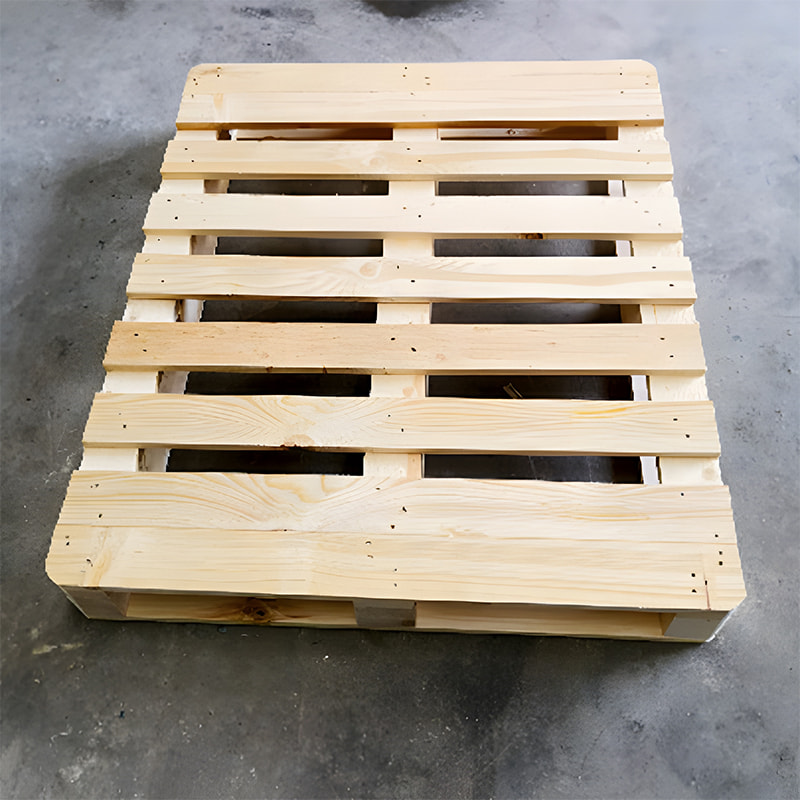
King Good Packaging Materials (NanTong)Co.,Ltd. is a Custom International General Solid Wood Pallet Manufacturer and International General Solid Wood Pallet Factory, committed to becoming a national OEM manufacturer of wood products packaging, specializing in the design, development and production of wood products. It has processing factories of different scales in Taizhou, Jiangsu Province, Fengxian, Shanghai, Wuhan, Hubei Province, Dongguan, Guangdong Province, Kunshan, Jiangsu Province and Beilun, Ningbo. The company's headquarters is located in Yazhou Town, Haian City, Nantong City. Since the establishment of the factory, it has newly introduced wood processing machinery and supporting equipment, and has technicians with many years of rich experience. It strictly controls each production procedure and ensures quality and quantity with proficient skills. We have formed a complete chain covering production, after-sales service and on-site packaging. Our perfect service has won high praise from many enterprises.
Based on raw materials such as fir, pine, miscellaneous wood, plywood and particleboard, KingGood can customize different products according to development to avoid unnecessary losses during long-distance transportation. Main products: Packaging boards, multi-layer boards, (for export and domestic use) wooden pallets. Wooden crates, pallet boards, front boards, and side board wooden crates (plywood, pallets, and packaging boxes can be exported directly without inspection, saving you a lot of cumbersome procedures) can provide packaging for extra-large mechanical equipment. Our company adheres to the principle of keeping promises, achieving mutual benefit and win-win results, getting along harmoniously, doing things with dedication, and providing excellent service. Ensure the company's continuous and stable development.


Solid Wood Pallet
All Products
International General Solid Wood Pallet
The International General Solid Wood Pallet is an ISO-compliant logistics load-carrying product suitable for cargo storage and transportation needs in multiple regions and scenarios worldwide. This pallet offers significant advantages in terms of cross-regional compatibility and cost control: It eliminates the need for pallet replacement for cross-regional use, thus avoiding cargo loss and labor costs caused by regional standard differences. Its size and load-bearing design are compatible with over 90% of global logistics equipment, including North American heavy-duty forklifts, European narrow-body racks, Southeast Asian small pallet trucks, and globally available 20-foot and 40-foot containers (a 1200×1000mm pallet can accommodate 24 pallets in a 40-foot container, achieving a space utilization rate of 92%, 15%-20% higher than non-standard pallets). These features eliminate the need for companies to adjust equipment for different regions. Furthermore, there's no need to stock separate standard pallets for Europe, North America, and Southeast Asia; a single set is sufficient to meet global order demands. This increases inventory turnover by over 30% and reduces the backlog of unused pallets. Furthermore, the mainstream pallet materials have a mature supply chain in China, keeping raw material and production costs manageable.
This pallet also excels in logistics delivery, production efficiency, and customized services. China boasts world-class ports such as Shanghai, Ningbo, and Guangzhou, and extensive shipping routes to Europe, North America, and Southeast Asia. "Pallet + Cargo Co-Container Transport" significantly reduces the cost of transporting individual pallets, resulting in lower logistics and delivery costs. The production model utilizes a "standardized production line + flexible adjustments" model, resulting in short production cycles and fast delivery, helping customers cope with peak season replenishment and urgent orders. To meet the personalized needs of customers in different industries, domestic companies can also flexibly adjust the pallet's material and structure to further adapt to the unique logistics requirements of each industry.
About KINGGOOD
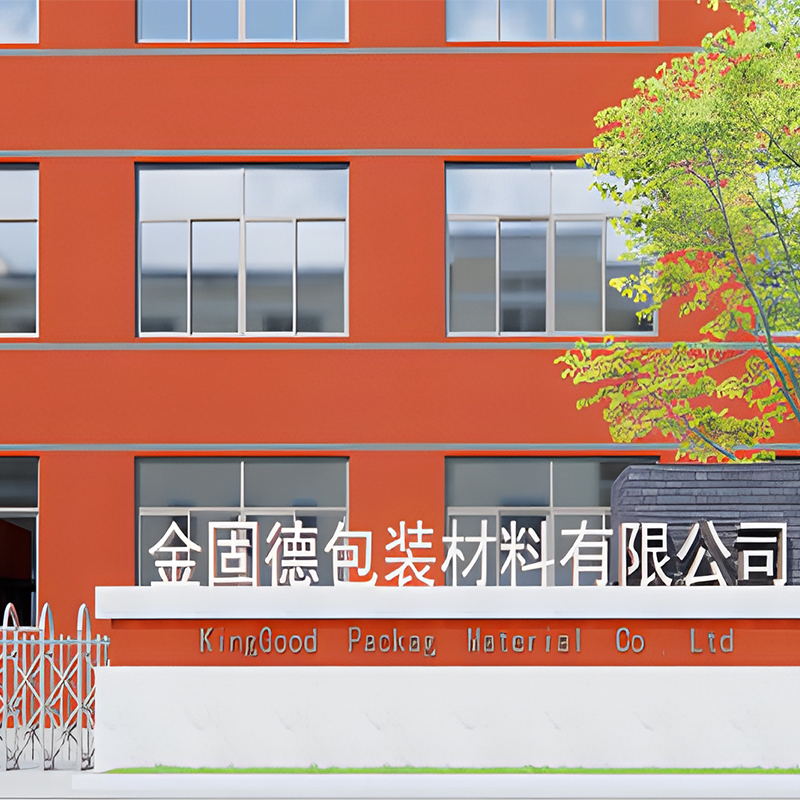
King Good Packaging Materials (NanTong)Co.,Ltd.
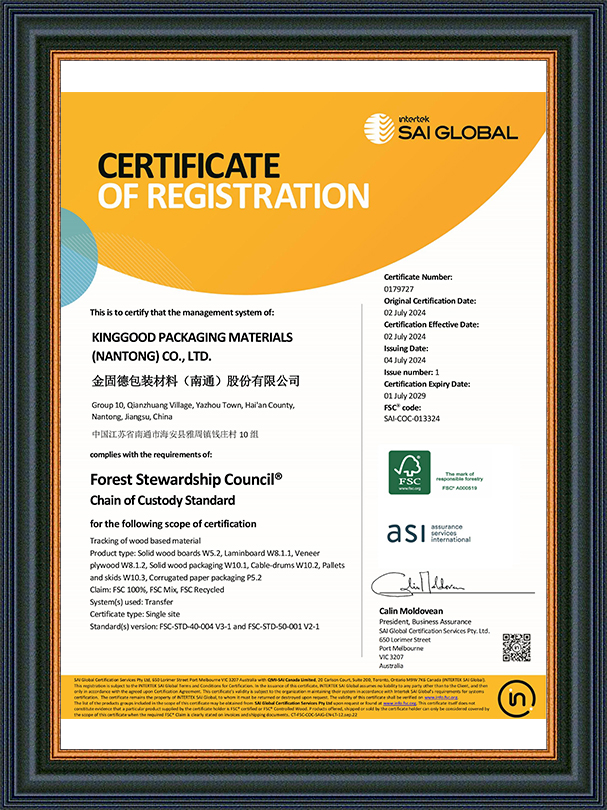
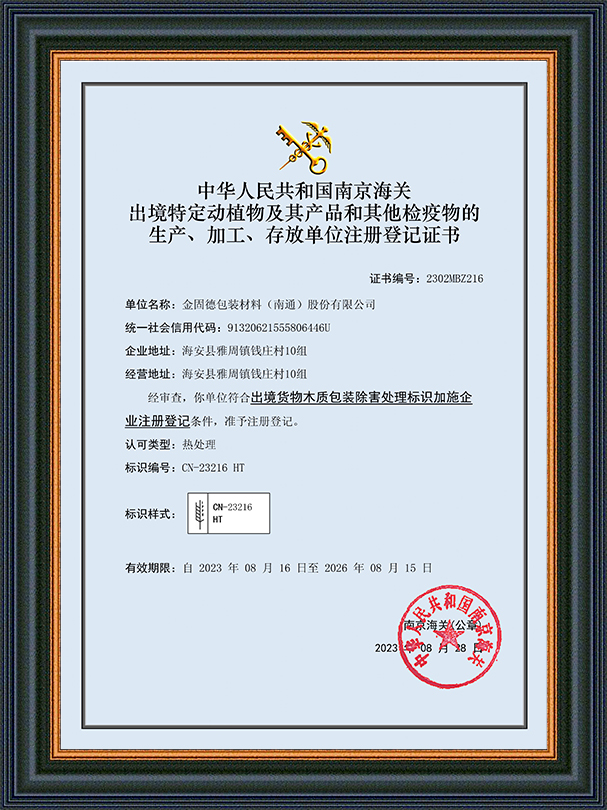
Certificate Of Honor
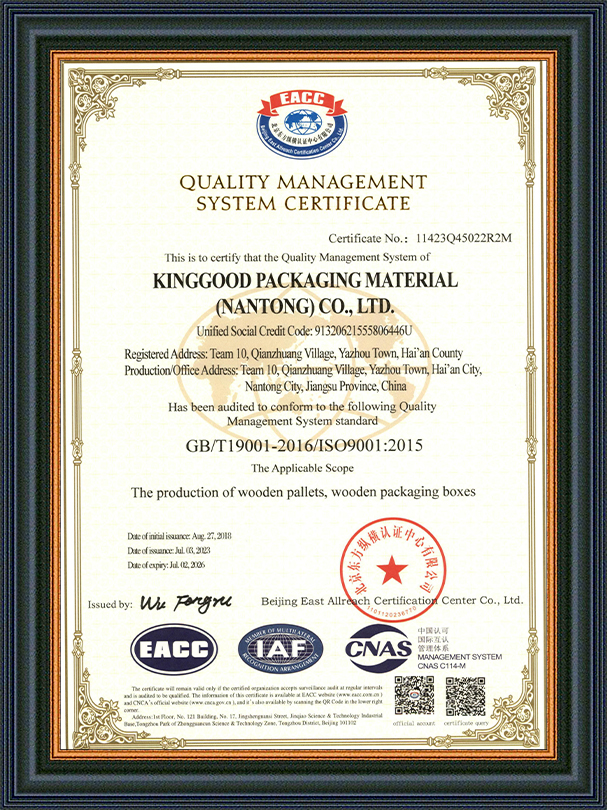
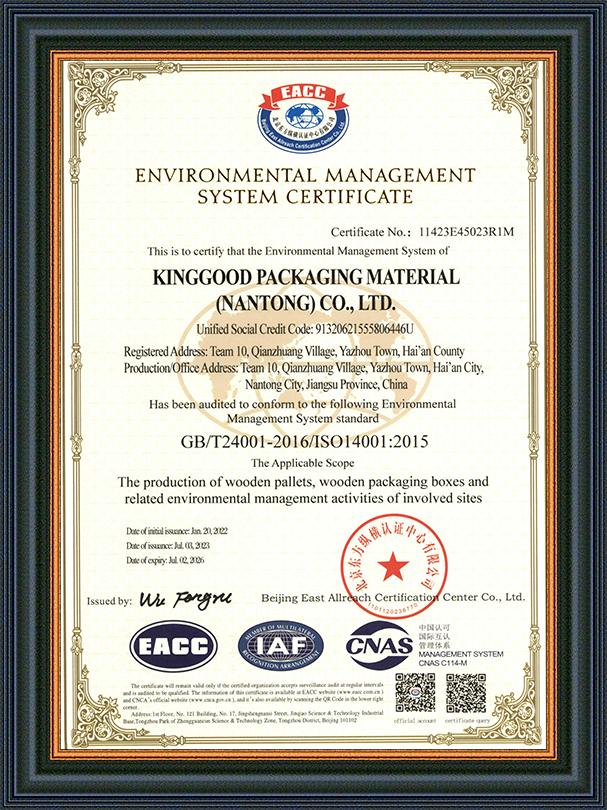
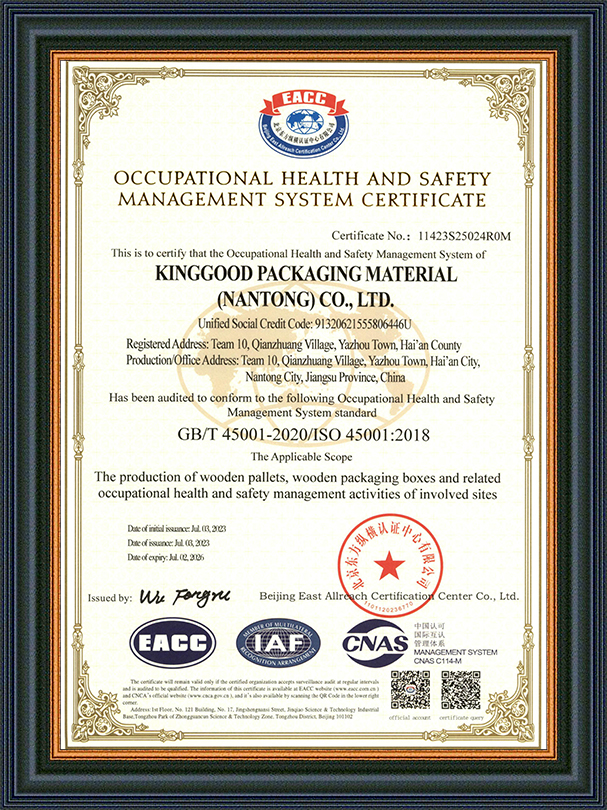

Message Feedback
Latest Articles

Solid Wood Pallet Industry knowledge
Why an International General Solid Wood Pallet Works Across Markets
Not every exporter ships exclusively to one region. For businesses sending cargo across multiple countries with different racking systems and freight standards, an International General Solid Wood Pallet offers a practical middle ground: a durable, flexibly sized pallet built for broad compatibility rather than being locked to one country-specific footprint. This makes it a common default choice for exporters juggling shipments to several destinations without maintaining separate pallet inventories for each market.
The practical benefits of a general-purpose solid wood pallet include:
- Flexible sizing that can be adjusted to fit standard container and truck loading patterns across different regions.
- Simplified procurement, since one pallet specification can serve multiple export destinations instead of several region-specific designs.
- Solid wood strength suited to a wide range of cargo weights, from cartons to mid-weight machinery components.
- Broad acceptance across warehouses and freight forwarders that do not require a strict country-specific pallet standard.
How a General-Purpose Pallet Is Built for Broad Compatibility
Balanced Deck and Stringer Design
Rather than being optimized for one specific racking system, a general-purpose pallet uses a balanced deck board spacing and stringer layout that provides adequate support for both palletized cartons and moderately heavy machinery bases. This balanced approach is what allows the same pallet design to perform reliably across different handling environments without requiring specialized equipment at either end of the shipment.
Adjustable Dimensioning
Because international shipments can involve different container types and truck bed dimensions, general solid wood pallets are often produced in a range of common sizes rather than a single fixed footprint, allowing exporters to select the closest match to their specific route and loading requirements.
Consistent Material Quality
Regardless of destination, using solid fir or pine timber with consistent moisture content and grading ensures the pallet performs predictably whether it ends up in a humid coastal warehouse or a dry inland distribution center.
Choosing a General Pallet Specification for Multi-Market Shipping
When cargo moves to more than one destination market, it helps to weigh a few key factors before finalizing a general pallet specification.
| Factor | Consideration | Practical Impact |
|---|---|---|
| Destination mix | Multiple countries with different rack standards | Flexible sizing reduces mismatched pallets |
| Cargo weight range | Cartons through mid-weight machinery | One pallet grade covers more shipment types |
| Container type | Standard vs. high-cube containers | Sizing adjusted to maximize space use |
Solid wood pallets used in international trade are generally required to comply with the ISPM 15 phytosanitary standard, which requires heat treatment or fumigation before export. Pallets already treated to this standard can pass through customs in most destination countries without additional inspection.
Frequently Asked Questions About International General Solid Wood Pallets
Q1: Is a general-purpose pallet suitable for shipping to several countries?
Yes. Its balanced design and flexible sizing make it a practical option for exporters sending cargo to multiple markets without needing separate pallet specifications for each destination.
Q2: How does a general pallet differ from a country-specific standard pallet?
A country-specific pallet, such as an American or European standard size, is built to match one region's racking and handling systems, while a general pallet is designed for broader compatibility across varied environments.
Q3: What load range can a general solid wood pallet handle?
With properly sized deck boards and stringers, these pallets are generally suited to cartons through mid-weight machinery components, though extremely heavy or dense cargo may still call for a reinforced heavy-duty design.
Q4: Do general solid wood pallets require export treatment?
Yes, solid wood pallets used internationally generally require ISPM 15 heat treatment or fumigation before they can be exported and cleared through customs.
Flexible Pallet Solutions for Multi-Destination Exporters
Headquartered in Yazhou Town, Hai'an, Nantong, King Good Packaging Materials (Nantong) Co., Ltd. operates processing facilities across multiple regions, including Taizhou, Fengxian in Shanghai, Wuhan, Dongguan, Kunshan, and Beilun in Ningbo, producing general-purpose solid wood pallets alongside region-specific pallet designs, wooden crates, and packaging boards. With a complete chain covering production, after-sales service, and on-site packaging, the company helps exporters shipping to multiple markets reduce potential losses during long-distance transportation without maintaining a separate pallet design for every destination.


Got Questions? Contact Us Now
-
-
Contact info.
+86-0513-88669885 +86-13813749256 13813749256@163.com Qianzhuang Village, Yazhou Town, Hai'an City, Nantong City, Jiangsu Province, China - About KINGGOOD Packaging Series Industry Solutions OEM Service News Contact
