

 English
 中文简体
中文简体 Español
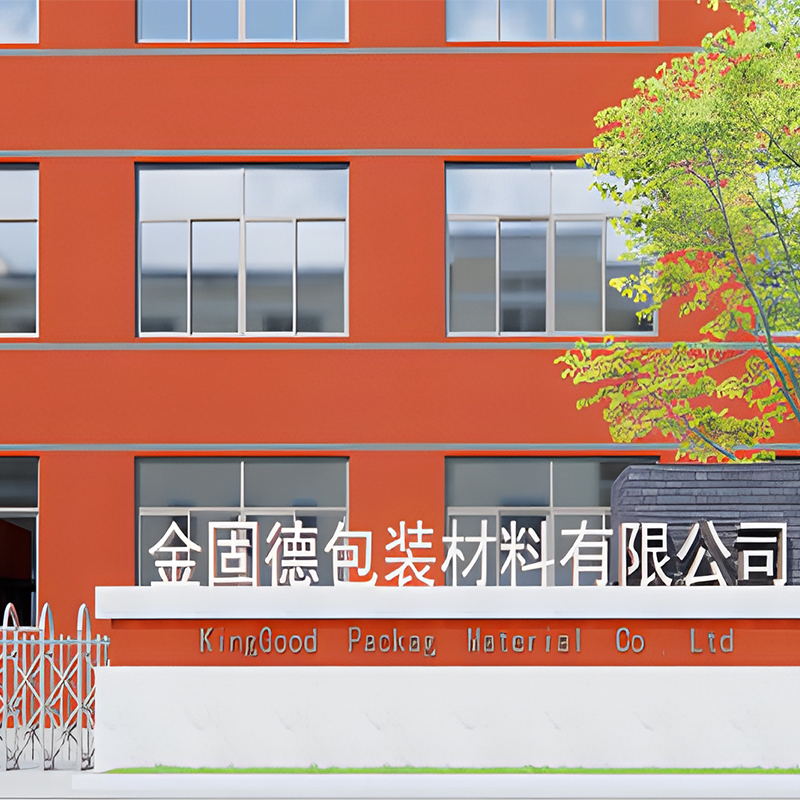
King Good Packaging Materials (NanTong)Co.,Ltd. is a Custom Molded Pulp Pallet Manufacturer and Molded Pulp Pallet Factory, committed to becoming a national OEM manufacturer of wood products packaging, specializing in the design, development and production of wood products. It has processing factories of different scales in Taizhou, Jiangsu Province, Fengxian, Shanghai, Wuhan, Hubei Province, Dongguan, Guangdong Province, Kunshan, Jiangsu Province and Beilun, Ningbo. The company's headquarters is located in Yazhou Town, Haian City, Nantong City. Since the establishment of the factory, it has newly introduced wood processing machinery and supporting equipment, and has technicians with many years of rich experience. It strictly controls each production procedure and ensures quality and quantity with proficient skills. We have formed a complete chain covering production, after-sales service and on-site packaging. Our perfect service has won high praise from many enterprises.
Based on raw materials such as fir, pine, miscellaneous wood, plywood and particleboard, KingGood can customize different products according to development to avoid unnecessary losses during long-distance transportation. Main products: Packaging boards, multi-layer boards, (for export and domestic use) wooden pallets. Wooden crates, pallet boards, front boards, and side board wooden crates (plywood, pallets, and packaging boxes can be exported directly without inspection, saving you a lot of cumbersome procedures) can provide packaging for extra-large mechanical equipment. Our company adheres to the principle of keeping promises, achieving mutual benefit and win-win results, getting along harmoniously, doing things with dedication, and providing excellent service. Ensure the company's continuous and stable development.


Paper Pallet
All Products
Molded Pulp Pallet
Molded pulp pallets are made from recycled natural fibers such as waste paper, bagasse, and reeds. These raw materials are not only widely available and cost-effective, but also enable a closed-loop "waste recycling" process—for example, converting cardboard scraps and agricultural straw into pallet raw materials, reducing resource waste at the source. Their core process utilizes "integrated molding." Unlike traditional spliced pallets, the pallet's overall shape is precisely shaped using a mold. Structures such as fork holes, support protrusions, and anti-slip grooves are all formed in a single step, eliminating the need for subsequent assembly. This avoids stress hazards at splices and allows the pallet to better fit the mold for personalized customization, such as providing dedicated positioning slots for specially shaped goods. Some products are also coated or waxed after molding to enhance their waterproof and oil-resistance, making them suitable for humid or oily working environments.
From a demand perspective, molded pulp pallets specifically address three key pain points: First, they address the need for scratch protection for delicate goods. Their soft, non-sharp material protects electronic components and glassware from scratches during transport, making them ideal for the precision manufacturing and medical device industries. Second, they address the need for convenient customs clearance in cross-border transport. Unlike wooden pallets, they don't require fumigation and quarantine, nor do they face environmental regulations in some countries like plastic pallets, making them readily adaptable to global logistics chains. Third, they address the need for green compliance for businesses. Whether it's zero emissions during production or complete degradation after disposal (degradable in the natural environment within 3-6 months), they help companies meet ESG management requirements. They are particularly well-suited for industries such as food and cosmetics, which place high demands on environmentally friendly packaging. Furthermore, their lightweight nature reduces the load-bearing pressure of warehouse stacking and fuel consumption during transportation, reducing costs and increasing efficiency in logistics.
About KINGGOOD
King Good Packaging Materials (NanTong)Co.,Ltd.
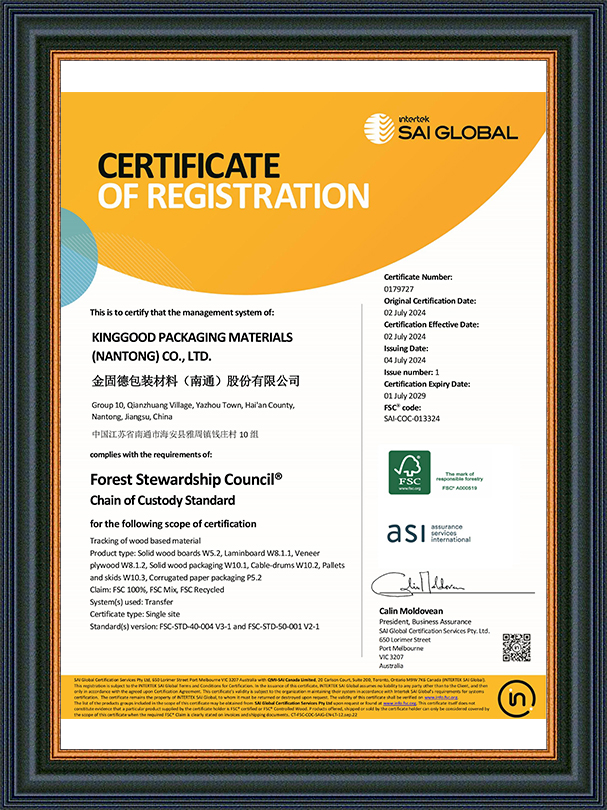
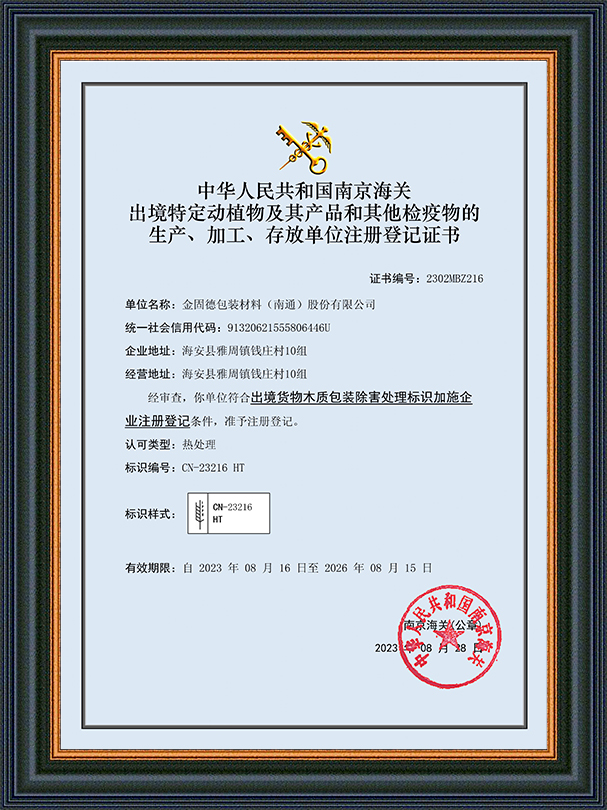
Certificate Of Honor
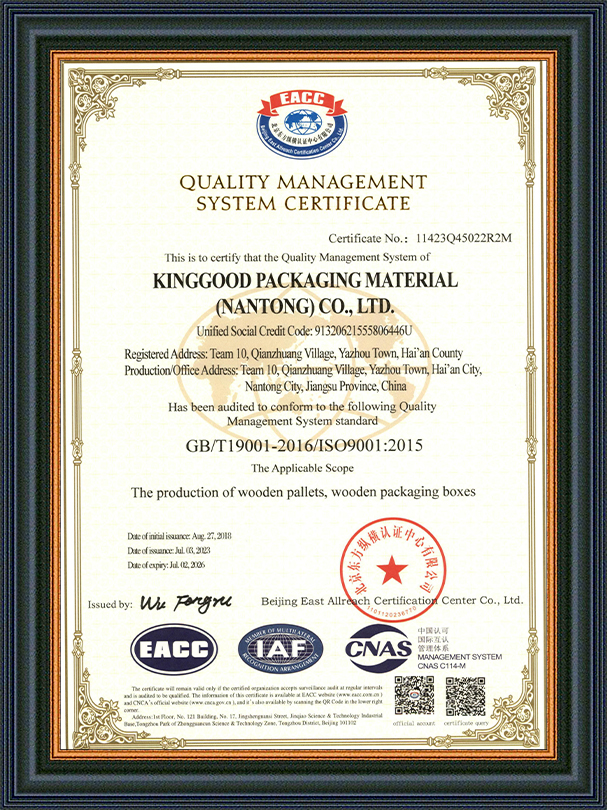
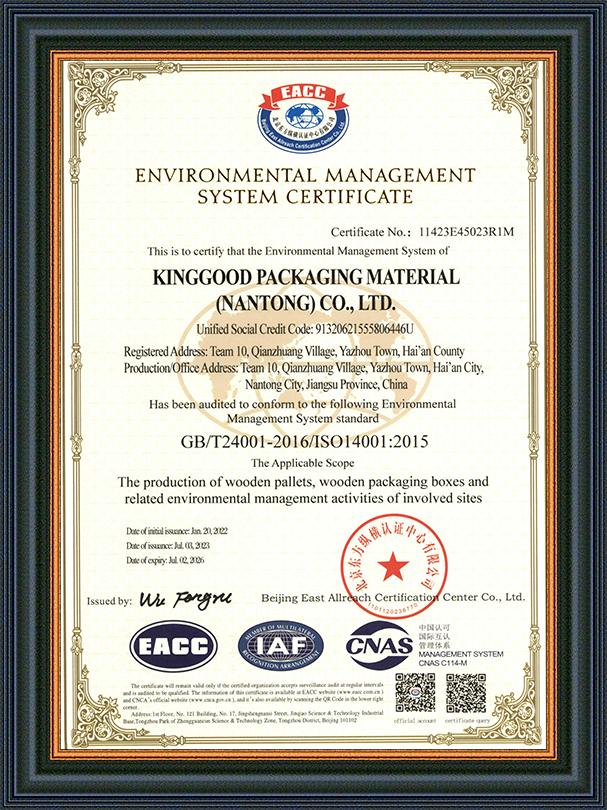
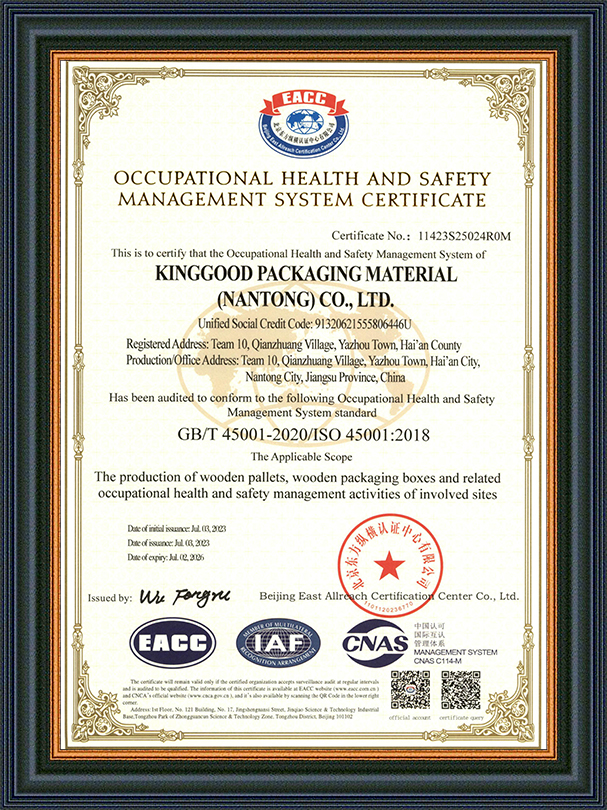

Message Feedback
Latest Articles

Paper Pallet Industry knowledge
Why Molded Pulp Pallets Fit Sustainability-Driven Procurement Programs
Procurement teams under pressure to cut packaging waste increasingly look at the molded pulp pallet as a way to meet environmental targets without redesigning an entire logistics chain. Formed from recycled paper fiber pressed into a single rigid shape, this pallet type is fully recyclable at end of life and avoids the mixed-material components, such as nails and plastic strapping clips, that complicate recycling for many traditional pallet designs.
Choosing molded pulp pallets as part of a broader sustainability strategy delivers several practical benefits:
- High recycled-fiber content, reducing reliance on newly harvested raw material for each production run.
- Single-material construction that simplifies recycling compared with pallets combining wood, metal fasteners, and plastic components.
- Lower shipping weight, which reduces fuel consumption and freight-related emissions per shipment.
- Compatibility with closed-loop packaging programs that track and reprocess used pulp materials.
How Molded Pulp Pallets Are Produced Consistently at Scale
Mold Design and Rib Engineering
Every production run starts with a mold engineered to the target pallet's load rating, with rib depth and spacing calculated to spread weight evenly across the deck. Getting the rib geometry right at the mold design stage is what determines whether every pallet from that mold will perform consistently, since the mold shape is repeated across the entire production batch.
Automated Forming and Pressing
Pulp slurry is drawn onto the mold under vacuum and pressed to a controlled thickness before moving to a drying stage, a process that can be run continuously on automated lines to support high-volume export orders. Automation also helps maintain consistent wall thickness across thousands of units, which is harder to achieve with manual assembly methods.
Batch Sampling and Load Verification
Sample pallets from each production batch are typically load tested to confirm they meet the target weight rating before the full order ships. Catching a mold or drying inconsistency at the sampling stage prevents an entire export shipment from arriving with underperforming packaging.
Matching Pulp Pallet Grade to Cargo Weight Tiers
Molded pulp pallets are typically produced in a few standard load tiers, allowing buyers to match pallet grade to actual cargo weight rather than defaulting to the heaviest available option.
| Pallet Grade | Rib Density | Typical Cargo |
|---|---|---|
| Light-duty | Standard spacing | Retail cartons, small parts |
| Medium-duty | Denser rib pattern | Uniformly stacked boxed goods |
| Export-grade reinforced | Maximum rib density | High-volume, air freight-sensitive shipments |
Frequently Asked Questions About Molded Pulp Pallets
Q1: How much recycled material is used in molded pulp pallets?
They are typically produced primarily from recycled paper fiber, though exact recycled content can vary by manufacturer and should be confirmed directly for programs with specific sustainability reporting requirements.
Q2: How is quality kept consistent across a large export order?
Batch sampling and load testing during production help confirm that mold and drying conditions are producing pallets that meet the target weight rating before the full order ships.
Q3: Do molded pulp pallets require ISPM 15 export treatment?
No. Since molded pulp is not classified as solid wood packaging material, it is exempt from the ISPM 15 heat treatment and fumigation requirements that apply to wooden pallets.
Q4: How should I choose between light-duty and reinforced pulp pallet grades?
Match the rib density to actual cargo weight; using a heavier grade than necessary adds cost and freight weight without providing additional practical protection for lighter loads.
Consistent, Sustainable Pulp Pallet Production at Scale
Headquartered in Yazhou Town, Hai'an, Nantong, King Good Packaging Materials (Nantong) Co., Ltd. operates processing facilities across multiple regions, including Taizhou, Fengxian in Shanghai, Wuhan, Dongguan, Kunshan, and Beilun in Ningbo, producing molded pulp and paper pallets alongside solid wood pallets, wooden crates, and packaging boards. With a complete chain covering production, after-sales service, and on-site packaging, the company helps customers balance sustainability goals, cost, and load requirements across both small custom orders and large-volume export programs.


Got Questions? Contact Us Now
-
Copyright @ King Good Packaging Materials (NanTong)Co.,Ltd. All Rights Reserved. Custom Molded Pulp Pallet Manufacturer Molded Pulp Pallet Factory

-
Contact info.
+86-0513-88669885 +86-13813749256 13813749256@163.com Qianzhuang Village, Yazhou Town, Hai'an City, Nantong City, Jiangsu Province, China - About KINGGOOD Packaging Series Industry Solutions OEM Service News Contact