

 English
 中文简体
 Español


How to create box: Applications, Selection Criteria, and Practical Guidance
The fastest way to create a box that protects its contents is to make five decisions in order before you touch a single panel: choose the material, fix the internal dimensions, cut accurately, assemble with the right joints, and reinforce for the route ahead. Follow that order and a dependable wooden shipping box takes less than an hour of work. Skip one step and you will spend more time patching the box than packing the product.
The instructions below are written for workshop teams, export staff, and maintenance crews that need a practical box without waiting days for a custom quote. The same rules apply whether you are packing a 5 kg instrument or a machine that barely fits through the door.
Content
Choose the Material Before You Create a Box
Start with the load, not the look. Three materials cover nearly every packing job, and each behaves differently under weight, moisture, and customs inspection.
| Material | Best suited for | Typical working load | Export treatment |
|---|---|---|---|
| Solid wood | Heavy machinery, large equipment | 500 kg and above | ISPM 15 treatment and IPPC mark required |
| Plywood | Equipment, medium freight | 100–500 kg | Not required, no IPPC stamp |
| Corrugated cardboard | Light consumer goods | Under 30 kg | Not required |
Typical guidance levels for workshop-built boxes; confirm final load ratings with your freight forwarder.
For most equipment shipments, plywood is the balanced choice: it resists warping, accepts nails and screws without splitting, and does not trigger ISPM 15 rules because it is an engineered panel. If the box will carry only a few kilograms, cardboard is faster and lighter, though it offers less stacking strength.
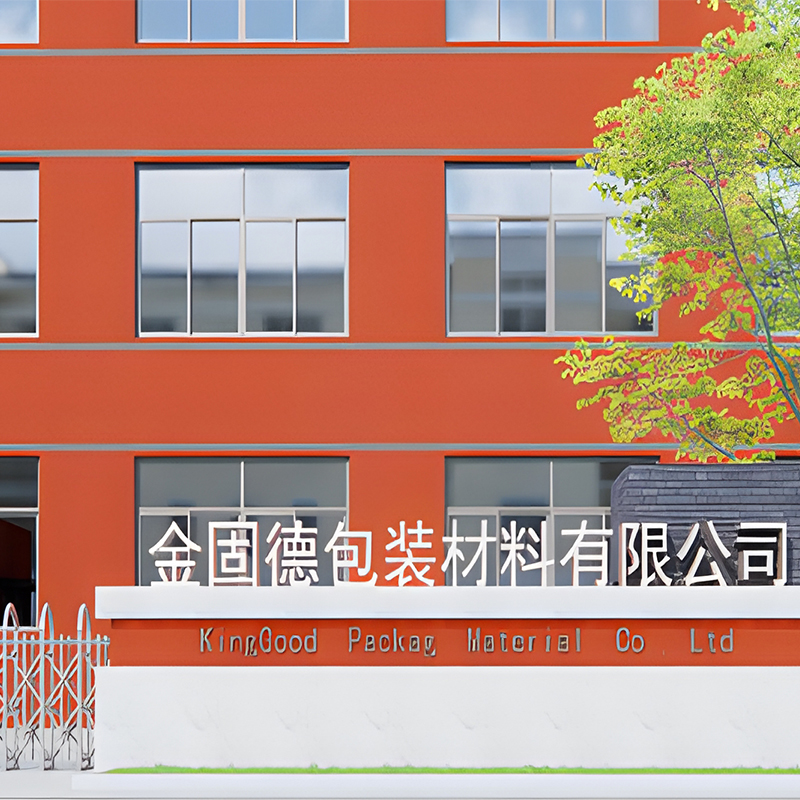 Equipment Packaging Plywood Wood Boxes Supplierinformation to be updatedView Product →
Measure with Clearance, Not Just the Product
Measure the full envelope of the item — the widest protrusion, the highest pipe, the deepest handle — not the neat rectangular footprint it sits on. Add the thickness of your cushioning on every face. Then apply the clearance rule below.
Add 5–8 cm of internal clearance on every side before you cut a single panel.
That gap gives foam, bubble wrap, or corrugated pads room to absorb shock without pressing hard against the panels. For a box longer than 2 metres, keep the same clearance but add cross bracing to stop the panels from bowing. The full measuring sequence for large cases is explained in our guide on how exactly large wooden cases should be measured, including where to take diagonal readings.
If the box will sit on a pallet or needs forklift access, add the skid height to your total height. A typical pallet opening is about 10 cm, so plan the base to leave that space clear.
Build the Box in Five Steps
With panels cut to the internal size plus clearance, assembly is straightforward. Use ring shank nails or coated screws; staples alone pull out under vibration.
- 1
Cut the base and skids
Cut the floor panel to the full internal footprint. Fix two or three skids underneath with nails long enough to pass through the panel. This keeps the box off wet floors and gives forklift blades a clean entry.
- 2
Attach the long side panels
Nail through the base panel into the bottom edge of each side panel. Drill pilot holes near the edges of hard wood so the panel does not split.
- 3
Fit the end panels
The end panels close the frame and stiffen the whole structure. Nail them to the sides first, then into the base. A square corner here prevents a leaning box later.
- 4
Close the top
Lay the lid panel over the frame and fix it only after the product and cushioning are inside. For heavy loads, nail the lid with the same nail spacing you used on the base.
- 5
Reinforce corners and edges
Add triangular corner blocks or metal L-brackets at the top corners, plus a horizontal strap across the middle of tall panels. This is what lets a box survive being stacked in a container.
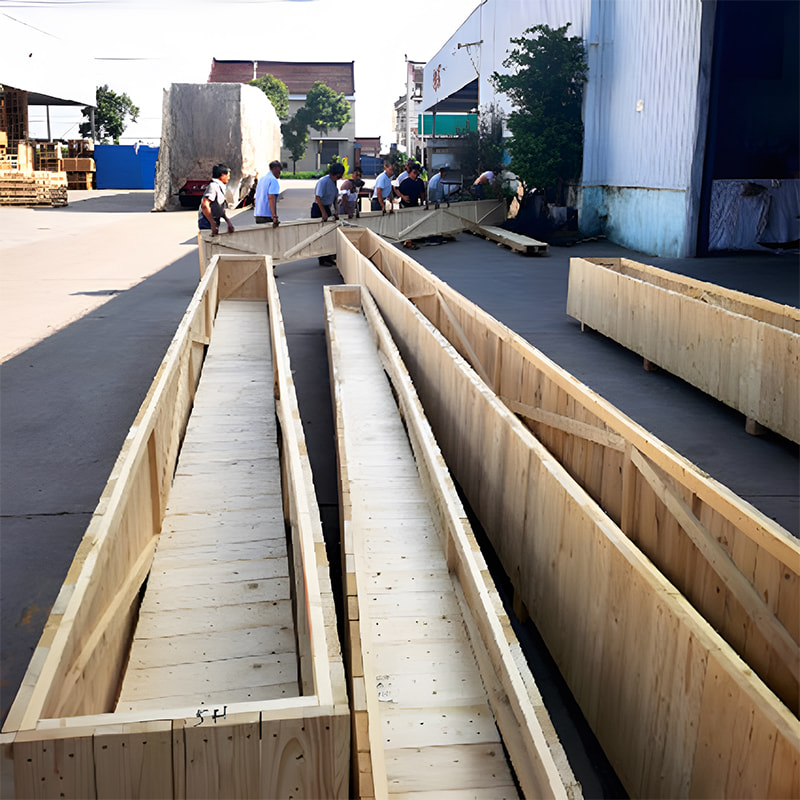
For very heavy equipment, a solid wood crate with thicker framing is the safer path. A purpose-built unit such as a large-equipment solid wood crate carries loads that would crush a standard plywood box.
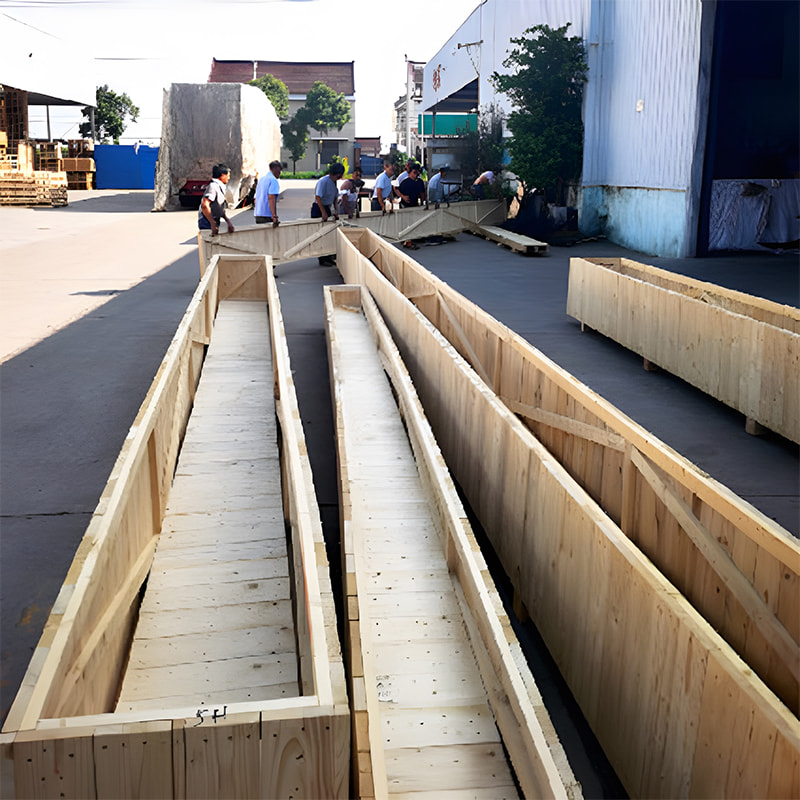 Large equipment packaging solid wooden boxDesigned specifically for heavy, oversized equipment (such as industrial machine tools, wind turbine components, large engines, and heavy machinery parts), this solid ...View Product →
Common Errors That Weaken a Homemade Box
Most failed boxes are not a material problem. They are a measurement or assembly problem. The four errors below cause the majority of damage claims.
| The mistake | The fix |
|---|---|
| Measuring only the widest flat point of the product | Measure the full envelope including handles, valves, and protrusions, then add clearance |
| Using 9 mm panels for a 200 kg load | Move up to 12–18 mm plywood and add internal bracing |
| Assembling with staples only | Use ring shank nails or screws; staples pull out under vibration |
| No clearance under the box | Fit skids or build on a pallet base so forklift blades can enter |
The left column lists the conditions that cause bending, breakage, or customs delays; the right column shows the corrective action.
Tips That Keep the Box Intact on the Road
First, balance the weight. Put the heaviest part of the product on the base panel and fill gaps above with cushioning so nothing shifts during acceleration or braking.
Second, plan for moisture. For sea freight or humid routes, add a plastic liner or a small desiccant pouch before sealing. Machinery with rust-prone surfaces needs extra protection even inside a dry-looking box.
Third, mark what matters. Apply “This Side Up”, “Fragile”, and “Heavy” labels on two opposite faces, not just the top, because a container can load a box from any side.
Before You Ship Internationally: Check ISPM 15
Solid wood that crosses a border usually needs ISPM 15 heat treatment and an IPPC stamp. Plywood, cardboard, and other engineered panels do not. If you build a solid wood box for export without treatment, customs can hold the shipment or order repacking at your cost.
For shipments where the content is light enough, a corrugated cardboard box side-steps the treatment process entirely and arrives with fewer documents to prepare.
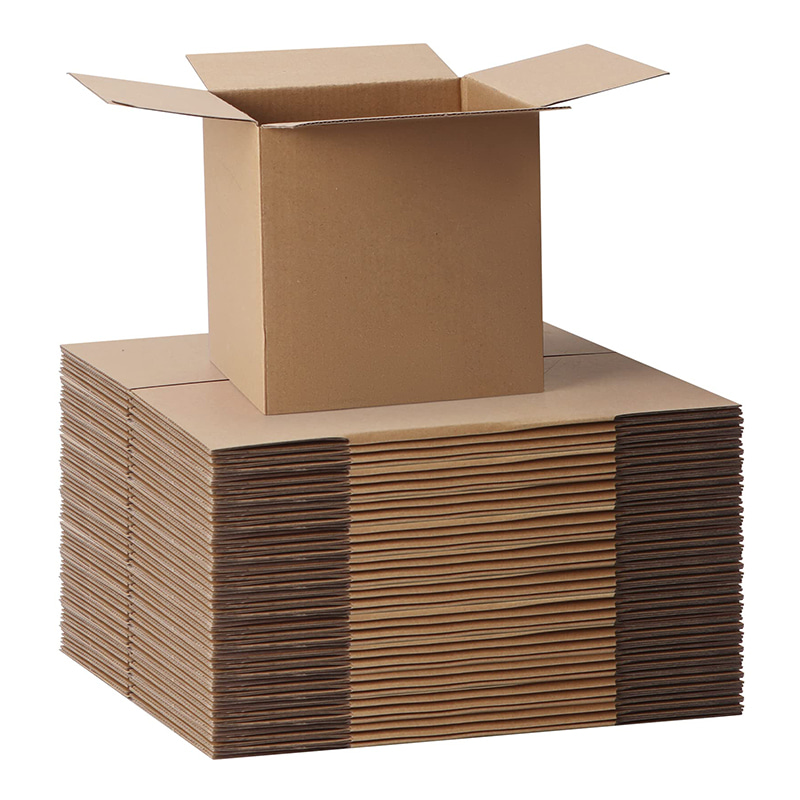 Corrugated Cardboard BoxesCorrugated cardboard boxes use corrugated cardboard as their core raw material. They consist of an outer protective face paper, an inner laminated lining, and a centra...View Product →
Final Checklist Before You Seal the Box
- Internal dimensions verified with cushioning installed
- Panel thickness matched to the load weight
- Skids or pallet base fitted for forklift access
- Corners braced and nails spaced evenly
- Labels applied on two opposite faces
- ISPM 15 status confirmed for export shipments
Creating a box is a repeatable process: material, dimensions, cutting, assembly, reinforcement. If you build boxes only occasionally, the methods above are enough. If you pack high-value machinery every week, you will likely save money by asking a packaging supplier to build to your drawings. Send your dimensions and weight to the King Good packaging team for a quote on custom wooden crates, plywood boxes, or pallets that already meet export standards.
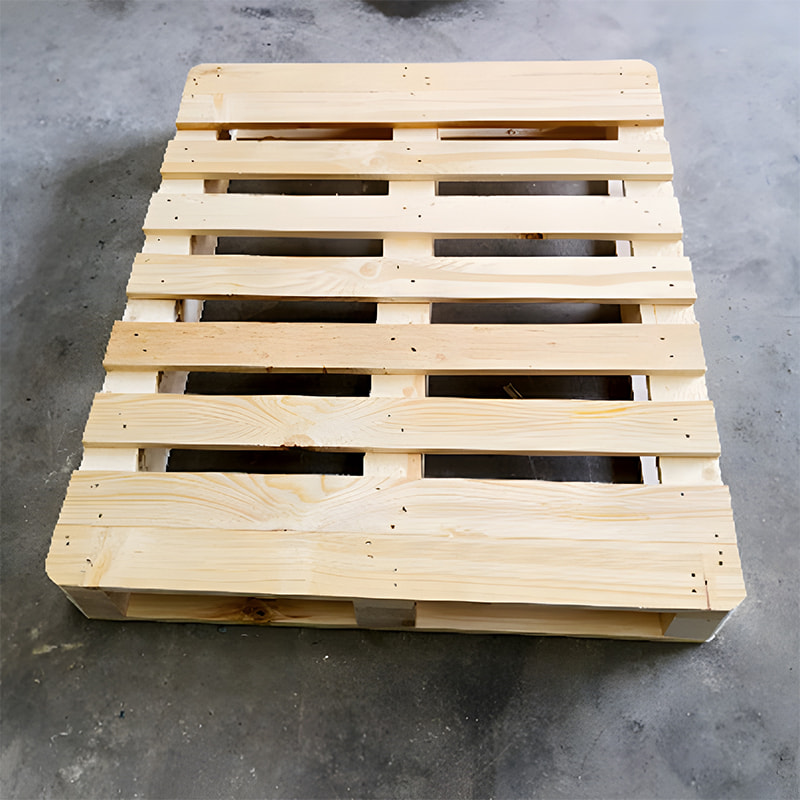

Got Questions? Contact Us Now
-
Copyright @ King Good Packaging Materials (NanTong)Co.,Ltd. All Rights Reserved. Custom Wooden Packaging Solutions Manufacturer OEM Industrial Packaging Solutions Factory

-
Contact info.
+86-0513-88669885 +86-13813749256 13813749256@163.com Qianzhuang Village, Yazhou Town, Hai'an City, Nantong City, Jiangsu Province, China - About KINGGOOD Packaging Series Industry Solutions OEM Service News Contact